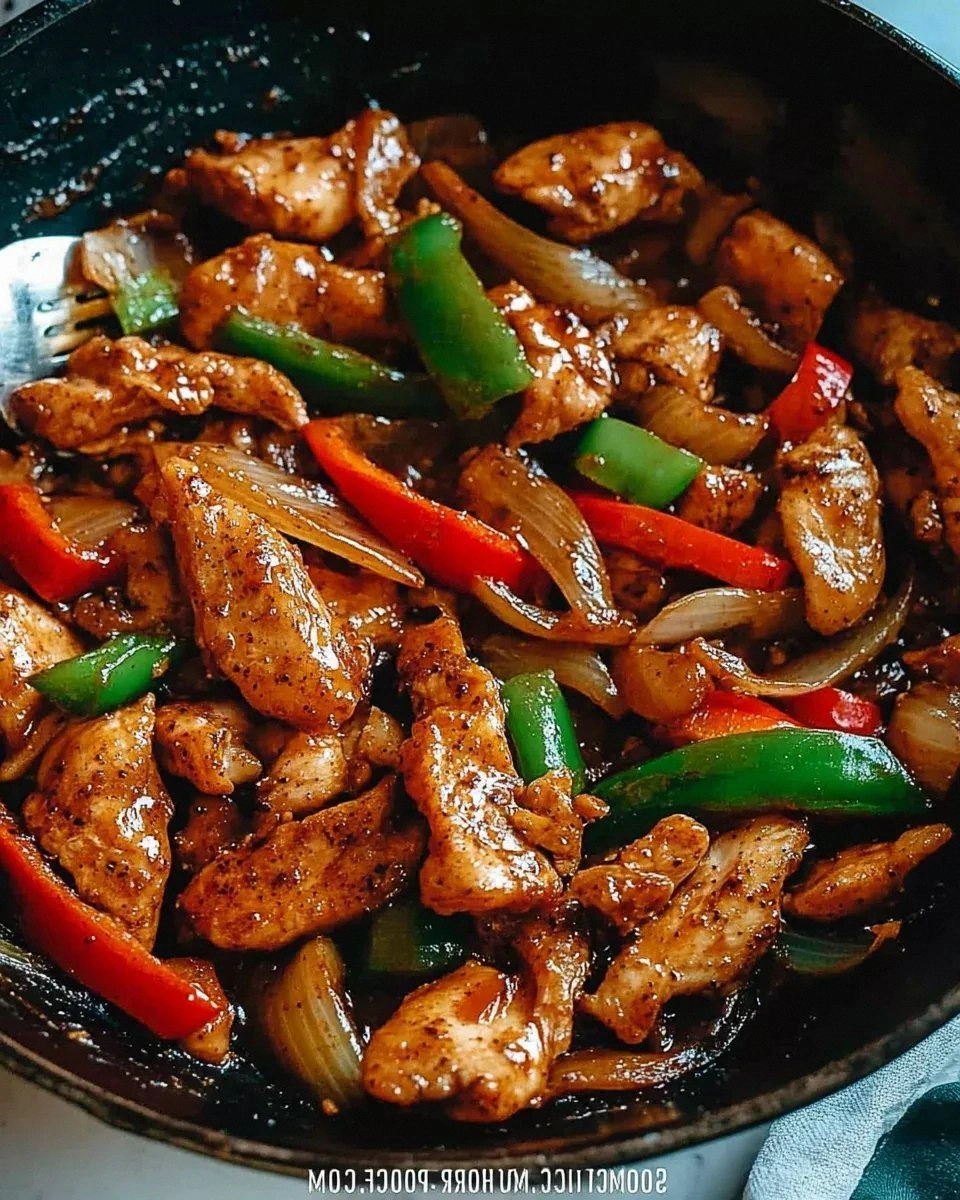
I was standing in my kitchen at 2 a.m., half‑asleep, when the neighbor’s dog started barking like a marching band. In the chaos I grabbed the only thing that felt safe in my fridge: a lonely pack of chicken breasts that had been whispering, “Cook me, I’m ready.” I tossed a splash of soy sauce on the counter, grabbed a pepper grinder, and before I knew it I was on a culinary roller coaster that would end with a dish so bold it could silence even the most stubborn of hounds. That night I discovered the alchemy of black pepper and chicken, and let me tell you, the result was nothing short of a culinary love‑child between a classic Chinese stir‑fry and a comforting home‑cooked hug.
Picture this: the kitchen fills with the sharp, invigorating scent of ginger and garlic, the peppercorns crackle like tiny fireworks, and the chicken sizzles in the pan with a sound that could be mistaken for applause. The air is thick with the sweet‑savory perfume of Shaoxing wine, and every breath you take feels like you’re inhaling pure anticipation. When you finally lift the lid, you see glossy, caramel‑kissed pieces of chicken glistening in a pepper‑peppery sauce that clings to each bite like a silk scarf. The peppers and onions have softened just enough to add a subtle crunch, while the sauce delivers a gentle heat that makes your tongue tingle without overwhelming it.
What makes this version stand out is the meticulous layering of flavors and textures that most recipes completely miss. Most home‑cooked black pepper chicken ends up either flat or overly salty, because the balance between light soy, dark soy, and Shaoxing wine is ignored. I’ve taken the time to perfect a two‑step seasoning—first a quick marinate that locks in moisture, then a finishing sauce that builds depth with a whisper of sugar and a generous punch of coarsely ground black pepper. The result? A dish that’s simultaneously tender, juicy, and peppery, with a sauce that coats the chicken like velvet while still leaving room for the crunchy snap of bell peppers.
And here’s the kicker: I’m about to reveal a tiny technique involving cornstarch that will give you a glossy, restaurant‑quality glaze without any fancy equipment. It’s the kind of secret that most chefs keep to themselves, but I’m daring you to try it and not go back for seconds. Let me walk you through every single step — by the end, you’ll wonder how you ever made it any other way.
What Makes This Version Stand Out
- Bold Pepper Punch: Two teaspoons of coarsely ground black pepper give the dish a heat that’s present but never aggressive, letting the other flavors shine while still delivering that signature peppery bite.
- Silky Sauce: The combination of light and dark soy sauces creates a layered umami depth that feels richer than any single‑soy approach, and the splash of Shaoxing wine adds a subtle fermented sweetness.
- Perfect Texture: By slicing the chicken thin and coating it lightly in cornstarch before the stir‑fry, you get a tender interior with a slightly crisp exterior that shatters like thin ice when you bite.
- Simple Prep: All the ingredients are pantry staples; you don’t need a trip to the specialty store, just a good set of knives and a wok or large skillet.
- Crowd‑Pleaser: I’ve served this at family gatherings and office potlucks, and it consistently disappears faster than you can say “black pepper chicken.”
- Make‑Ahead Friendly: The sauce actually improves after a short rest, making it perfect for meal‑prepping or reheating for a quick dinner.
- Ingredient Quality: Using fresh ginger, garlic, and bell peppers adds a brightness that balances the deep soy notes, while peanut oil raises the smoke point for a clean, nutty sear.
- Versatile Base: This dish pairs beautifully with steamed rice, quinoa, or even cauliflower rice for a low‑carb twist, letting you adapt it to any dietary preference.
Inside the Ingredient List
The Flavor Base
The backbone of this dish is the duet of light soy sauce and Shaoxing wine. Light soy sauce supplies salty depth without the heavy color that dark soy brings, while Shaoxing wine adds a subtle sweetness and a hint of fermented complexity that you just can’t replicate with plain water. If you’re missing Shaoxing, a dry sherry or a splash of mirin works as a decent stand‑in, but the authentic flavor profile will be slightly altered. The 1 ½ tablespoons of sugar balance the saltiness and bring a glossy sheen to the sauce, making it cling to the chicken like a second skin.
The Texture Crew
Cornstarch is the unsung hero here. One tablespoon in the initial marinate creates a thin protective film that locks in juices, while a second tablespoon in the sauce acts as a thickening agent, giving you that restaurant‑style glaze. The 2 tablespoons of peanut oil raise the smoke point, allowing you to sear the chicken at a high temperature without burning, resulting in those coveted caramelized edges. If you’re allergic to peanuts, grapeseed or avocado oil will do the trick without compromising the flavor.
The Unexpected Star
Coarsely ground black pepper isn’t just about heat; its larger granules provide a textural contrast that bursts with flavor in every bite. The pepper’s essential oils are released when you grind them fresh, delivering a citrusy, pine‑like aroma that elevates the dish from ordinary to unforgettable. If you prefer a milder heat, you can reduce the amount to one teaspoon, but I dare you to keep the full two—your taste buds will thank you later.
The Final Flourish
The vegetables—white onion, bell peppers, and minced ginger—add layers of sweetness, crunch, and warmth. Slice the onion thinly so it softens quickly, while cutting the bell peppers into matchsticks preserves a slight snap that balances the sauce’s silkiness. Fresh ginger, minced just before cooking, releases its zingy, almost citrusy notes, cutting through the richness of the soy. For a sweeter profile, swap the bell peppers for red ones, or add a splash of orange juice for an Asian‑inspired twist.
Everything's prepped? Good. Let's get into the real action...
The Method — Step by Step
First, combine the 1 lb of sliced chicken with 1 tablespoon light soy sauce, 1 tablespoon Shaoxing wine, and 1 tablespoon cornstarch in a zip‑top bag. Massage the mixture for about 30 seconds until every piece is glossy. Let it rest for 10 minutes; this short marinate will infuse the meat with flavor while the cornstarch creates a protective barrier that keeps the chicken juicy during the high‑heat stir‑fry. Pro tip: If you’re in a hurry, you can skip the rest, but the texture won’t be quite as tender.
While the chicken marinates, prep the aromatics: mince 1 tablespoon ginger, crush 2 cloves garlic, slice ½ white onion thinly, and cut the 2 bell peppers into matchsticks. Toss everything into a bowl with a pinch of salt to draw out moisture, which will help them caramelize faster.
Kitchen Hack: Use a microplane for the ginger; it creates fine shreds that release more flavor than a regular grater.Heat a wok or large skillet over medium‑high heat until a drop of water sizzles and evaporates instantly. Add 2 tablespoons peanut oil and swirl to coat the surface. When the oil shimmers, it’s ready—this is the moment of truth. Add the marinated chicken in a single layer, being careful not to overcrowd the pan; you may need to do this in two batches. Let the chicken sear undisturbed for about 2 minutes; you’ll hear a satisfying sizzle that tells you the crust is forming.
After the chicken has developed a light golden crust, flip the pieces and stir‑fry for another 2 minutes until they’re just about cooked through. Transfer the chicken to a plate and set aside.
Watch Out: If you stir the chicken too early, you’ll lose the caramelized edges that give the dish its signature flavor.In the same wok, add a splash more oil if the pan looks dry, then toss in the minced ginger, garlic, and onion. Stir‑fry for 30 seconds until fragrant—your kitchen should now smell like a bustling street market in Guangzhou. Add the bell peppers and continue cooking for another 1‑2 minutes; they should stay bright and slightly crisp, not soggy.
Now it’s time for the sauce. Pour in ½ cup chicken broth, 2 tablespoons light soy sauce, 2 tablespoons Shaoxing wine, and 2 teaspoons dark soy sauce. Stir in 1 ½ tablespoons sugar and 1 tablespoon cornstarch dissolved in a tablespoon of cold water to avoid lumps. Bring the mixture to a gentle boil; you’ll notice it thickening within a minute, turning a glossy amber that clings to the vegetables.
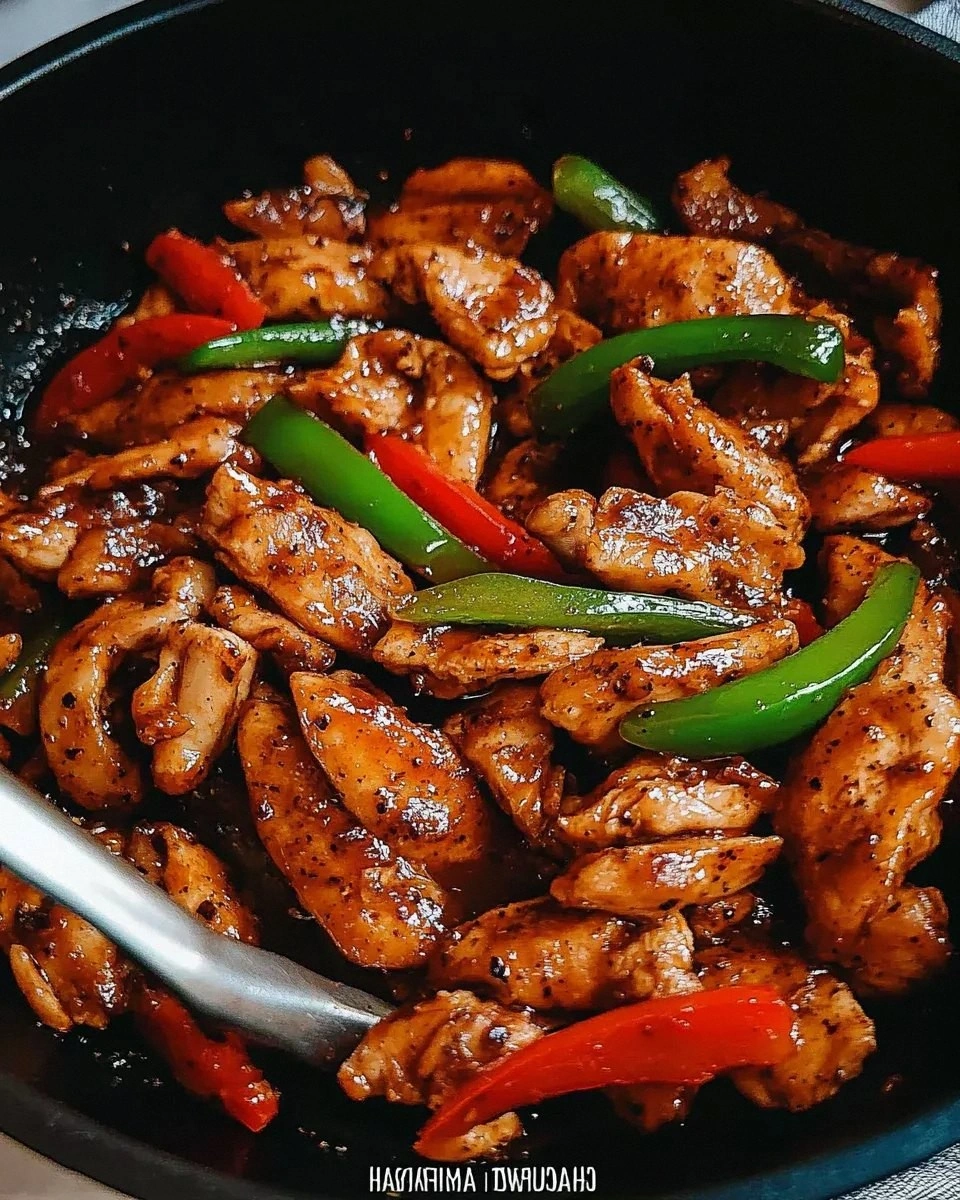
Add the cooked chicken back into the wok, sprinkling the 2 teaspoons coarsely ground black pepper and 1/8 teaspoon salt over everything. Toss everything together, making sure each piece is thoroughly coated. The sauce should now envelope the chicken like a silky veil, with the pepper grains providing little bursts of heat. Let the mixture simmer for another 2 minutes; this is where the flavors truly meld.
Give the dish a final taste check. If you crave a hint more sweetness, add a drizzle of honey; if you want extra heat, grind a few more peppercorns. Once satisfied, turn off the heat, drizzle a tiny splash of sesame oil for aroma, and serve immediately over steamed rice or noodles. That sizzle when it hits the pan? Absolute perfection. And now the fun part—garnish with sliced scallions or a few toasted sesame seeds for an extra layer of texture.
That's it — you did it. But hold on, I've got a few more tricks that'll take this to another level...
Insider Tricks for Flawless Results
The Temperature Rule Nobody Follows
Never, ever cook chicken over low heat if you want that coveted caramelized crust. High heat sears the exterior instantly, sealing in juices while creating those little browned bits that add umami depth. I once tried a low‑and‑slow approach, and the chicken turned out soggy, like a wet sponge—definitely not the texture we’re aiming for. Keep the wok smoking hot, and you’ll hear that unmistakable “sear” sound that signals flavor is being built.
Why Your Nose Knows Best
When the aromatics hit the oil, trust your nose as the ultimate timer. The moment you smell the ginger turning fragrant and the garlic turning golden, you know they’re ready to meet the sauce. Over‑cooking these aromatics leads to bitterness; under‑cooking leaves a raw bite. If you’re ever unsure, pause and inhale—if the scent feels “just right,” you’re on track.
The 5‑Minute Rest That Changes Everything
After the chicken is cooked and before you toss it back into the sauce, let it rest on a plate for five minutes. This short pause lets the juices redistribute, preventing them from spilling out when you mix everything together. I once skipped this step and ended up with a watery sauce, which was a disaster for a dish that should be glossy. Trust the rest; it’s a tiny habit that yields a big payoff.
Sauce Consistency Cheat Sheet
If the sauce looks too thin after adding the broth, drizzle in a little extra cornstarch slurry (1 tsp cornstarch + 1 tsp water). Conversely, if it’s too thick, thin it with a splash of chicken stock or water. The goal is a sauce that coats the back of a spoon but still drips off slowly—think of it as a glossy caramel that clings, not a glue.
Pepper Timing Mastery
Add the coarsely ground black pepper at the very end of cooking. This preserves its aromatic oils and prevents the pepper from turning bitter under prolonged heat. A friend once added the pepper too early and complained about a “burnt” flavor—let’s just say the dish was rescued by a quick addition of fresh pepper at the finish line.
Final Garnish Power
A sprinkle of toasted sesame seeds and a few thin slices of scallion add a subtle nutty crunch and a burst of fresh oniony sharpness that cuts through the richness. It’s the visual and textural punctuation mark that says, “I’m done, and I’m delicious.” Even if you’re serving this to a crowd that loves plain, the garnish will elevate the perception of the dish.
Creative Twists and Variations
This recipe is a playground. Here are some of my favorite ways to switch things up:
Coconut Curry Black Pepper Chicken
Swap half the chicken broth for coconut milk and add a tablespoon of red curry paste. The result is a creamy, tropical spin that still respects the peppery backbone. Garnish with cilantro and lime wedges for a fresh finish.
Spicy Sichuan Pepper Blast
Add ½ teaspoon of Sichuan peppercorn powder alongside the black pepper. The unique numbing sensation pairs brilliantly with the heat, creating a layered spice profile that’s perfect for adventurous eaters.
Honey‑Glazed Sweet Version
Increase the sugar to 2 tablespoons and drizzle a tablespoon of honey in the final minute of cooking. The sauce becomes a sweet‑and‑spicy glaze that works wonderfully with roasted peanuts tossed in at the end.
Vegetarian “Chicken” Substitute
Replace the chicken with firm tofu or tempeh, pressed and sliced similarly. Marinate and coat the tofu in the same cornstarch mixture, then follow the same stir‑fry steps. The result is a plant‑based version that still delivers that peppery punch.
Low‑Carb Cauliflower Rice Bed
Serve the finished chicken over a bed of sautéed cauliflower rice mixed with a dash of soy sauce and chopped scallions. It’s a low‑carb, grain‑free alternative that still feels hearty and satisfying.
Storing and Bringing It Back to Life
Fridge Storage
Allow the chicken to cool to room temperature (no more than two hours), then transfer it to an airtight container. It will keep fresh for up to three days. When reheating, add a splash of water or broth to revive the sauce’s gloss.
Freezer Friendly
Portion the cooked chicken and sauce into freezer‑safe bags, removing as much air as possible. Freeze for up to two months. Thaw overnight in the refrigerator, then reheat in a skillet over medium heat, again adding a tiny splash of water to steam it back to life.
Best Reheating Method
The stovetop is king. Heat a non‑stick pan over medium heat, add a teaspoon of oil, and slide the chicken in. Cover for a minute to trap steam, then uncover and stir until the sauce thickens again. Microwaving works in a pinch, but you’ll lose that crisp edge.