I still remember the first time I tried to impress a date with a "simple" caprese salad. Picture this: me, armed with nothing but good intentions and a dull knife, hacking away at rubbery supermarket tomatoes while my kitchen looked like a crime scene from a vegetarian horror movie. The mozzarella was so cold it squeaked when I bit into it, and my basil had seen better days — probably sometime last week. Let's just say there wasn't a second date, but there was a valuable lesson born from that culinary catastrophe: most recipes get caprese completely wrong. They treat it like a thrown-together afterthought instead of the symphony of summer it deserves to be.
Fast forward through years of obsessive experimentation, countless trips to Italian markets, and more mozzarella than any human should reasonably consume, and I've finally cracked the code to the perfect Caprese Salad Bowl Mozzarella. This isn't your sad desk-lunch version with mealy tomatoes and flavorless cheese. Oh no, my friend. This is the version that'll make you close your eyes with the first bite, transporting you straight to a sun-drenched terrace in Sorrento where Nonna is practically approving from afar. The secret lies in treating each ingredient like the star it is, then bringing them together in a way that makes the whole greater than the sum of its already spectacular parts.
Here's what really sets this apart: we're not just layering ingredients, we're building a bowl of pure summer magic where every component has been coaxed into showing its absolute best self. The tomatoes get a quick salt treatment that concentrates their flavor into something almost candy-like. The mozzarella is brought to room temperature so it actually tastes like something. And don't even get me started on the basil — we're making a quick oil that'll make you wonder why you've been eating plain leaves your whole life. The result? A caprese that doesn't just sit there looking pretty but actually makes you understand why Italians get so emotional about their food.
Let me walk you through every single step — by the end, you'll wonder how you ever made it any other way.
What Makes This Version Stand Out
Tomato Transformation: Most recipes throw cold tomatoes into the bowl and call it a day. We're going to salt them first, which draws out excess water and concentrates their flavor into something that tastes like summer concentrated into edible form. The difference is so dramatic that you'll never skip this step again.
Mozzarella Magic: Room temperature mozzarella isn't just a preference — it's a revelation. Cold cheese has no flavor, but let it sit out for 30 minutes and suddenly you're tasting creamy, milky perfection that actually complements instead of competes with your tomatoes.
Basil Oil Brilliance: Instead of just tearing basil leaves like some kind of culinary caveman, we're making a quick basil oil that distributes that herbaceous punch throughout every single bite. It's like regular basil decided to go to finishing school and came back sophisticated.
Salt Strategy: Three types of salt make an appearance here — kosher for the tomatoes, flaky sea salt for finishing, and a pinch of smoked salt in the oil for depth. Most recipes treat salt like an afterthought, but here it's a supporting character that ties the whole production together.
Texture Play: We're adding toasted pine nuts for crunch and a drizzle of aged balsamic that's been reduced to a syrup. Suddenly your caprese has more texture than a Hollywood relationship, and twice the drama.
Make-Ahead Marvel: Everything except the final assembly can be prepped hours ahead, making this perfect for entertaining. Your future self will thank you when you're not frantically slicing tomatoes while your guests wonder where the host disappeared to.
Alright, let's break down exactly what goes into this masterpiece...
Inside the Ingredient List
The Flavor Base
The tomatoes are obviously the headliners here, but not just any sad supermarket specimens will do. You want the heaviest, most fragrant tomatoes you can find — the kind that smell like a garden even before you cut into them. I use a mix of heirloom varieties for different flavors and colors, but if you can only find one type, make it the best you can afford. The salt we use to draw out their moisture isn't just about removing water — it's about breaking down cell walls and creating these little flavor bombs that'll make you wonder why all tomatoes don't taste this good.
Olive oil matters more than you think. This isn't the time for your grocery store cooking oil — we're talking about the good stuff, preferably from a recent harvest, with peppery notes that make the back of your throat tingle slightly. The basil oil we'll make infuses this already-great oil with herbaceous magic that'll have you finding excuses to drizzle it on everything from grilled bread to vanilla ice cream (trust me on this one).
The Texture Crew
Mozzarella di bufala is non-negotiable here — cow's milk mozzarella simply doesn't have the tang and complexity that makes this salad sing. Look for the kind packed in water, not vacuum-sealed, and for the love of all that is holy, don't you dare use the pre-shredded stuff. The texture should be tender and yielding, with a slight resistance when you bite into it, releasing milky goodness that plays against the acidic tomatoes like they were born to be together.
Pine nuts add the crunch factor that most caprese salads are desperately missing. Toast them gently in a dry pan until they smell like butter and pine forests had a baby — about 3-4 minutes on medium heat, shaking constantly. They'll go from perfect to burnt faster than you can say "where did I put that salad," so stay focused here. The crunch they provide isn't just about texture — it's about creating moments of surprise in a dish that can otherwise become monotonous.
The Unexpected Star
Balsamic vinegar gets reduced down to a syrup that'll make you want to put it on everything from strawberries to steak. Use the good stuff — aged balsamic that's thick enough to coat a spoon, not the watery supermarket variety. The reduction concentrates the sweetness and acidity into a powerhouse of flavor that you'll drizzle sparingly but dream about generously. This isn't just a garnish — it's the element that makes people ask "what's in this?" with the first bite.
The Final Flourish
Flaky sea salt isn't just for show — those crunchy crystals provide bursts of salinity that wake up your palate between bites. Maldon is my go-to, but any good flaky salt will do. The key is adding it right before serving so it maintains its structure. Smoked salt in the basil oil adds depth without making things taste like a campfire — just a whisper of smoke that makes people wonder what your secret is.
Fresh cracked pepper seems basic, but use a mix of colors if you can — black, white, pink, and green peppercorns each bring different heat levels and flavor notes. Grind it fresh, and be generous. This isn't the time for pre-ground dust that's been sitting in your pantry since the Clinton administration.
Everything's prepped? Good. Let's get into the real action...
The Method — Step by Step
- Start with your tomatoes at least an hour before you want to serve — this isn't a last-minute rush job. Cut them into chunks that are bite-sized but not dainty, about 1-inch pieces that feel substantial in your mouth. Toss them with a generous amount of kosher salt (about 1 teaspoon per pound of tomatoes) and spread them on a wire rack set over a baking sheet. The salt will start drawing out water immediately, and you'll see beads of liquid forming on the surface. Let them sit for 45 minutes to an hour, during which time they'll lose about 30% of their water weight and concentrate their flavor into something that tastes like the essence of tomato rather than just... tomato.
- While your tomatoes are undergoing their transformation, take your mozzarella out of the fridge and let it come to room temperature. This step is crucial and non-negotiable — cold mozzarella has the flavor profile of rubber, but room temperature cheese reveals its creamy, slightly tangy complexity. If it's packed in water, change that water for fresh room temperature liquid. If it's vacuum-sealed, remove it from the package and let it breathe. Thirty minutes is the minimum, but if you can manage an hour, even better. You'll know it's ready when it feels soft and yielding to the touch, not firm and cold.
- Now for the basil oil that'll change your life forever. Take a generous handful of fresh basil — about 2 cups packed — and blanch it in boiling water for exactly 10 seconds. This isn't about cooking it; it's about setting the color so your oil stays vibrant green instead of turning that sad brown that makes food look like it's already given up. Shock it immediately in ice water, then squeeze out every last drop of water (I mean it — water is the enemy of good oil). Blend it with good olive oil and a pinch of smoked salt until it's smooth and emerald green. The result is an oil that tastes like summer bottled up and ready to make everything it touches more delicious.
- Toast your pine nuts in a dry pan over medium heat, shaking constantly. This is not the time to check Instagram — nuts go from perfectly golden to bitter and burnt in the time it takes to scroll past one questionable political post. You're looking for a deep golden color and a smell that makes you want to eat them straight from the pan. About 3-4 minutes should do it, but trust your nose more than the clock. Once they're done, immediately transfer them to a plate to stop the cooking process. Leave them in the pan and they'll continue cooking from residual heat, taking them past the point of no return.
- Reduce your balsamic vinegar by simmering it gently in a small saucepan until it's thick enough to coat the back of a spoon. Start with about twice as much as you think you need — it reduces by about two-thirds, and running out of balsamic syrup is a tragedy I wouldn't wish on my worst enemy. Keep the heat low and be patient; rushing this step leads to a burnt mess that'll have you starting over while your guests wonder what's taking so long. You're looking for a syrup consistency that'll hold its shape when drizzled, not a hard candy that'll break your teeth.
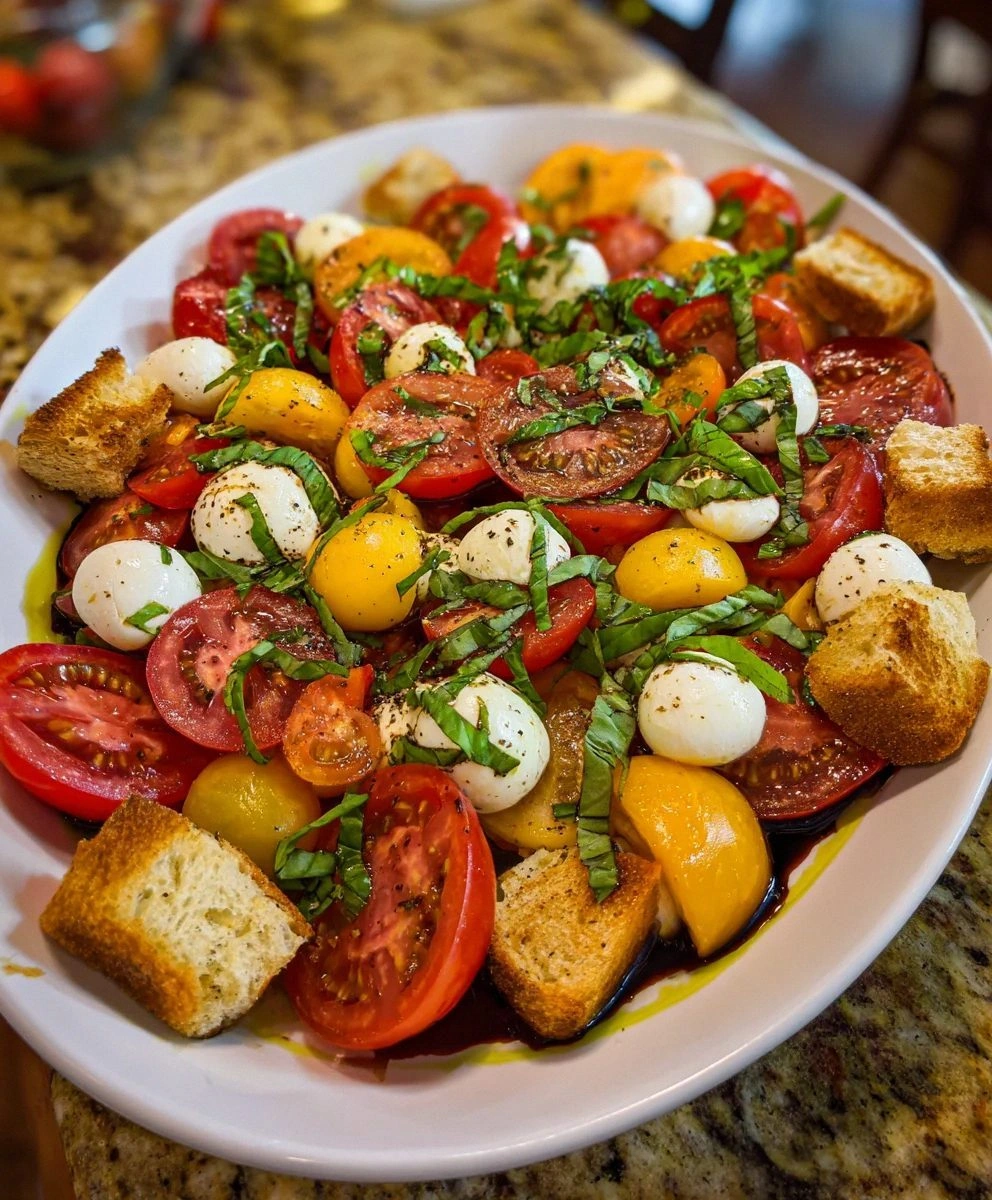
- Assemble everything in a bowl that's way bigger than you think you need — caprese likes room to mingle. Start with the drained tomatoes, add chunks of room-temperature mozzarella, and drizzle generously with your basil oil. Add the toasted pine nuts, a crack of mixed peppercorns, and finish with flaky sea salt. The final drizzle of balsamic reduction should be artistic but not precious — you're going for rustic elegance, not Jackson Pollock on a plate. Serve immediately, preferably with good bread to mop up the incredible juices that'll collect at the bottom of the bowl.
- That's it — you did it. But hold on, I've got a few more tricks that'll take this to another level...
Insider Tricks for Flawless Results
The Temperature Rule Nobody Follows
Room temperature isn't just a suggestion — it's the difference between a good caprese and a life-changing one. Everything except the pine nuts should be at room temperature when you assemble. Cold tomatoes taste like refrigerator, cold mozzarella tastes like nothing, and cold basil oil thickens up and doesn't distribute properly. Take everything out of the fridge at least an hour before serving. Yes, even the olive oil. Your patience will be rewarded with flavors that sing instead of mumble.
Why Your Nose Knows Best
Trust your senses over the clock every single time. Tomatoes are done salting when they look slightly shriveled and have deepened in color. Pine nuts are toasted when they smell like butter and pine forests. Basil oil is ready when it's vibrant green and smells like you want to bathe in it. If something smells done, it probably is. If something smells like it's getting too dark, it definitely is. Your nose is smarter than any timer.
The 5-Minute Rest That Changes Everything
After you assemble the salad, let it sit for exactly 5 minutes before serving. This isn't about getting the perfect Instagram shot (though you definitely should). It's about giving the flavors time to meld and the salt time to do its final magic trick of bringing everything together. Too long and the basil oil starts to oxidize and the tomatoes get mushy. Too short and everything tastes like separate ingredients instead of a cohesive dish. Five minutes is the sweet spot where magic happens.
The Salt Sequence That Matters
Kosher salt on the tomatoes draws out water and concentrates flavor. Smoked salt in the oil adds depth and complexity. Flaky sea salt at the end provides crunch and pops of salinity. Skip any of these steps and you're missing a layer of the flavor story. Use table salt anywhere in this recipe and I'll know, somehow, and I'll be disappointed in you. Each salt has its job, and they're all important.
Why Size Actually Does Matter
Cut your tomatoes and mozzarella into pieces that are roughly the same size — about 1-inch chunks. Too small and they lose their identity and become just another chopped salad. Too big and you can't get a perfect bite with all the elements. The goal is to be able to spear a piece of tomato, a piece of mozzarella, a pine nut or two, and get them all in your mouth at once for the perfect bite that includes every element of the dish.
Creative Twists and Variations
This recipe is a playground. Here are some of my favorite ways to switch things up:
The Mediterranean Vacation
Add chunks of ripe avocado and swap the pine nuts for toasted pistachios. Use lemon zest in the basil oil instead of smoked salt, and finish with a squeeze of fresh lemon juice. The avocado adds creaminess that plays beautifully with the mozzarella, while the pistachios bring a different kind of crunch and a more subtle flavor than pine nuts. It's like your caprese went on vacation to Greece and came back with stories.
The Spicy Southern Italian
Add thinly sliced fresh chili peppers — Calabrian if you can find them, Fresno if you can't — to the basil oil. Swap the pine nuts for toasted almonds and add a handful of torn prosciutto at the end. The heat from the chilies and the saltiness from the prosciutto transform this from a gentle summer salad into something with attitude and swagger. It's the caprese that rides a Vespa and doesn't call you back, but you don't even mind.
The Winter Survival Mode
Use cherry tomatoes instead of heirlooms — they're reliably decent even in winter. Roast them low and slow with olive oil and thyme until they burst and concentrate their flavor. Use burrata instead of regular mozzarella for extra luxury, and add some citrus segments (orange or grapefruit) for brightness when good tomatoes are just a memory. It's not the same as summer, but it's a damn good approximation that'll get you through until tomato season returns.
The Breakfast That Shouldn't Work But Does
Add a soft-boiled egg on top and serve the whole thing over grilled sourdough that's been rubbed with garlic. The runny yolk mingles with the tomato juices and basil oil to create a sauce that you'll want to drink straight from the bowl. It's breakfast, it's lunch, it's the meal you eat when you can't decide what meal it is. Add a cup of coffee and you're basically living your best Italian life, even if you're in a studio apartment in Cleveland.
The Sweet and Savory Plot Twist
Add fresh strawberries to the tomato mix — not enough to make it a fruit salad, just enough to add a different kind of sweetness. Use honey instead of reducing the balsamic, and add fresh mint along with the basil. The combination of sweet and savory, herb and fruit, creates a caprese that keeps you guessing. It's the version that makes people say "there's something different about this" and then can't stop eating it until the bowl is embarrassingly empty.
The Lazy Sunday Supper
Turn the whole thing into a pasta dish by adding hot, just-cooked pasta to the bowl instead of serving it cold. The heat from the pasta warms everything slightly, melting the mozzarella just enough to make it extra creamy. Add a handful of arugula for peppery bite and you've got a complete meal that takes 15 minutes from start to finish. It's the dinner you make when you want something incredible but can't be bothered to try too hard.
Storing and Bringing It Back to Life
Fridge Storage
If you somehow have leftovers (and that's a big if), store the components separately. Tomatoes in their own container, mozzarella in another, basil oil in a jar. Assembled caprese gets sad and watery after a few hours, but the individual components keep for 2-3 days. Bring everything back to room temperature before serving again — this isn't a cold salad, and refrigerating it is basically a crime against food. The basil oil might solidify in the fridge; just let it sit out for 20 minutes and it'll return to its liquid gold state.
Freezer Friendly
Freezing is basically a hard no for this dish — tomatoes get mushy, mozzarella gets rubbery, and basil oil turns an unappetizing brown. However, you can freeze the basil oil in ice cube trays for future use. It'll lose some of its vibrant color but retains its flavor for up to 3 months. Just know that it'll never be as good as fresh, but it's better than no basil oil at all when you're desperate in February and tomatoes are just a memory.
Best Reheating Method
There's no reheating here — this is a room temperature dish that should never see the inside of a microwave. If you've stored components separately, just bring them back to room temperature and reassemble. If you made the mistake of storing an assembled salad, drain off any accumulated liquid, add a fresh drizzle of olive oil and a pinch of salt, and serve it anyway. It won't be as good as fresh, but it's still better than most restaurant caprese salads. Add some fresh basil leaves and a crack of pepper to perk it back up.