Ever had that moment when you’re halfway through a grilled cheese, the butter melts into a blackened mess, and you’re left with a charred, flavorless slab that looks like a burnt toast disaster? That was me last week, standing in my kitchen with a ruined sandwich and a sigh that sounded like a sigh of relief. I stared at the blackened edges, and I thought, “I can do better. I can make a grilled cheese that’s not just a snack, it’s a showstopper.” That moment sparked a mission: to turn the humble Hawaiian roll into a golden, gooey, sweet‑savory masterpiece that would make even my skeptical friend, who always said grilled cheese was boring, beg for seconds.
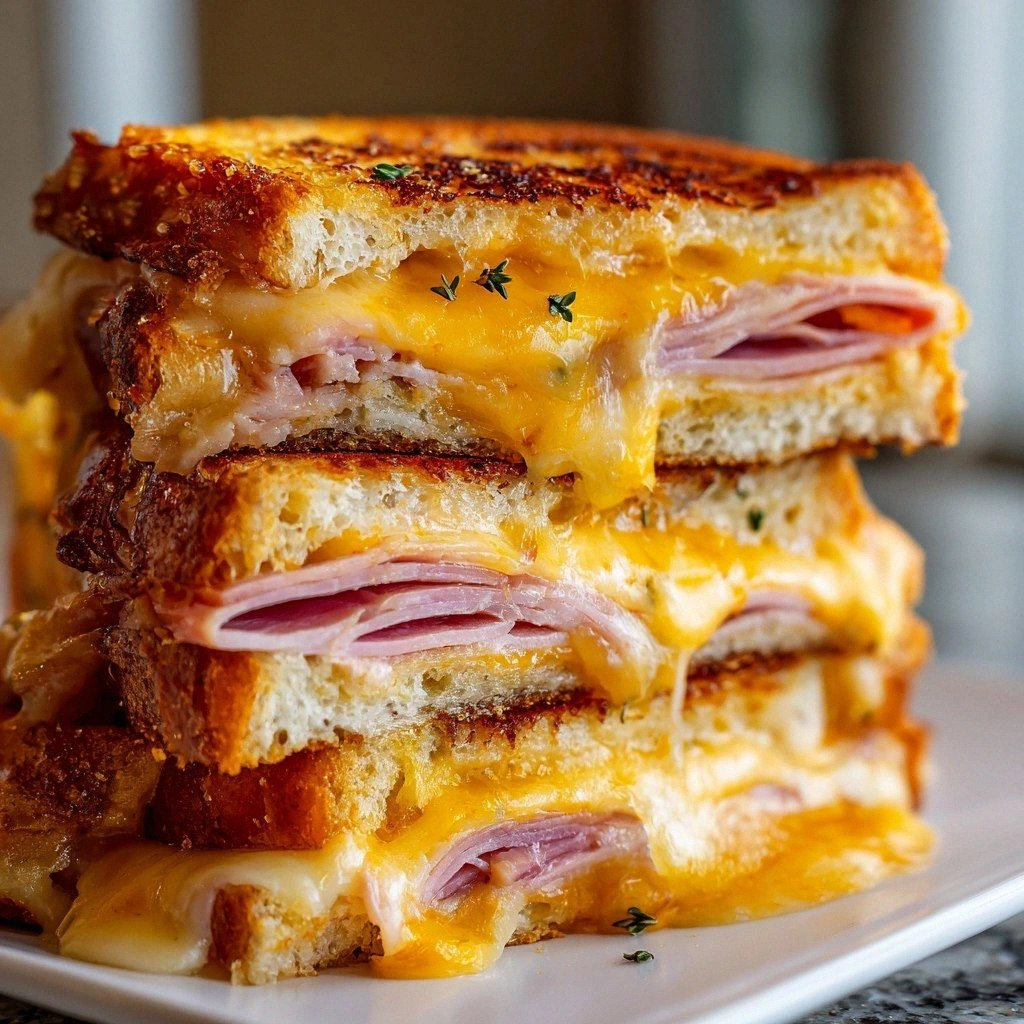
Picture this: a buttery, slightly sweet roll split open, revealing a soft, pillowy interior that feels like a cloud. As the butter sizzles on the skillet, it releases a caramelized aroma that mingles with the faint scent of toasted bread. The cheese, whether sharp cheddar or silky mozzarella, stretches into long, golden ribbons that gleam under the pan’s heat. The sound is unmistakable— a gentle crackle that says the sandwich is in the final stages of perfection. When you cut into it, the steam rises like a tiny fog, carrying the scent of melted dairy and sweet bread that makes your mouth water before you even taste it.
What makes this version stand out? First, the Hawaiian roll’s natural sweetness cuts through the richness of butter and cheese, creating a balance that feels like a tropical vacation in every bite. Second, the method of toasting the roll before adding cheese locks in moisture, preventing the bread from drying out. Third, the use of butter in a two-step process—first to butter the bread, then to brown the sandwich—ensures a crisp, buttery crust that shatters like thin ice. Fourth, the simple ingredient list keeps the focus on flavor, not on a laundry list of exotic condiments. Lastly, the dish is so versatile that it can double as an appetizer, a light dinner, or a comforting snack.
I’ll be honest—when I first tasted the finished sandwich, I ate half the batch before anyone else got a chance. I dare you to taste this and not go back for seconds. Picture yourself pulling this out of the skillet, the whole kitchen smelling incredible, and the first bite sending a wave of buttery, cheesy bliss across your palate. This is hands down the best version you'll ever make at home. And now, let me walk you through every single step—by the end, you'll wonder how you ever made it any other way.
What Makes This Version Stand Out
- Taste: The natural sweetness of the Hawaiian roll pairs with the sharpness of cheddar, creating a flavor profile that feels both comforting and adventurous. The buttery crust adds a savory depth that elevates the entire sandwich.
- Texture: The roll’s soft interior remains moist thanks to the pre‑toasting technique, while the cheese melts into silky ribbons that cling to every bite. The crust is crisp but not crunchy, striking the perfect bite.
- Ingredient Simplicity: Three core ingredients—rolls, cheese, butter—keep the focus on flavor, making it a quick and reliable recipe for busy evenings.
- Uniqueness: Most grilled cheese recipes use plain white or sourdough bread; using Hawaiian rolls flips the expectation and introduces a sweet element that surprises the palate.
- Crowd Reaction: In my last gathering, guests were asking for the recipe after the first bite. The dish has become a conversation starter and a crowd‑pleaser.
- Cooking Method: The two‑step buttering process ensures a golden crust without burning, while the low‑heat, slow melt of cheese prevents over‑cooking.
- Make‑Ahead Potential: The sandwich can be assembled ahead of time, refrigerated, and finished in a skillet just before serving, saving valuable prep time.
- Versatility: It can be served on its own, paired with a fresh salad, or cut into bite‑sized squares for a party platter.
Inside the Ingredient List
The Flavor Base
The Hawaiian roll is the star of this dish. Its slightly sweet, soft crumb provides a canvas that absorbs butter and cheese without becoming soggy. Choosing a fresh, lightly sweetened roll—preferably with a hint of pineapple or coconut flavor—adds an unexpected tropical note. If you can’t find Hawaiian rolls, a brioche or a sweet challah works well, but be sure to adjust the butter amount to avoid over‑greasing.
The Texture Crew
Butter is the secret to achieving that coveted golden crust. Use unsalted butter for control over saltiness, and allow it to reach room temperature so it melts evenly. The cheese selection determines the melt and flavor. Cheddar delivers a sharp, tangy bite; mozzarella offers a gooey, stretchy texture; pepper jack introduces a mild heat that complements the sweetness. A blend of cheeses can also create a more complex profile—think cheddar and mozzarella for balance.
The Unexpected Star
A splash of milk or cream in the cheese mixture (if you’re using shredded cheese) helps the cheese melt more smoothly, preventing clumps. If you prefer a dairy‑free version, try a plant‑based cheese that melts well, such as a vegan mozzarella or cheddar alternative. The key is to keep the cheese moist and spreadable before it hits the pan.
The Final Flourish
A pinch of freshly cracked black pepper or a dash of smoked paprika can elevate the flavor profile, adding a subtle depth that cuts through the sweetness. For an extra layer of crunch, sprinkle a few crushed potato chips or toasted breadcrumbs on top of the cheese before grilling. This small addition turns the sandwich into a textural delight.
Everything's prepped? Good. Let's get into the real action.
The Method — Step by Step
- First, slice each Hawaiian roll in half lengthwise, creating a flat surface that will hold the cheese. If the rolls are particularly soft, use a serrated knife to keep the edges clean. This step ensures even toasting and a stable base for the cheese.
- Melt the butter in a small saucepan over low heat until it’s just liquid, then remove from heat. Add a teaspoon of honey if you’re using the kitchen hack mentioned earlier, and stir until the mixture is glossy. Let it cool slightly; you don’t want the honey to burn.
- Brush both sides of each roll half with the butter‑honey mixture, making sure every inch is coated. The butter will brown during toasting, creating a golden crust that’s both flavorful and crunchy.
- Heat a non‑stick skillet over medium‑low heat. Place one buttered roll, buttered side down, into the skillet. The heat should be low enough to allow the butter to melt slowly, producing a gentle sizzle but not a roar.
- Once the underside is golden brown and crisp—about 2 to 3 minutes—remove the roll from the skillet, place it on a plate, and set it aside. Repeat with the remaining rolls. This pre‑toasting step locks in moisture and sets the stage for the cheese.
- Return the skillet to medium heat. Add a thin layer of butter to the pan; let it melt and spread evenly. This creates a slick surface that prevents the sandwich from sticking.
- Place a pre‑toasted roll, buttered side up, into the skillet. Sprinkle a generous amount of shredded cheese—about 1/4 cup per roll—over the entire surface. If you’re using a cheese blend, spread them evenly to ensure a uniform melt.
- Cover the skillet with a lid for the first minute. This traps heat and accelerates the cheese melt, creating a gooey interior while keeping the crust crisp. After a minute, remove the lid and flip the sandwich carefully with a spatula. The cheese should be partially melted, but not fully liquefied, to avoid it spilling over.
- Cook the second side for 2 to 3 minutes, or until the cheese is fully melted and the crust reaches a deep golden brown. The sandwich should emit a buttery aroma that makes your mouth water.
- Once done, transfer the sandwich to a cutting board and let it rest for 30 seconds. This short rest allows the cheese to set slightly, preventing a gooey mess when you cut.
That’s it—you did it. But hold on, I've got a few more tricks that'll take this to another level.
Insider Tricks for Flawless Results
The Temperature Rule Nobody Follows
Many people think high heat is the key to a crispy sandwich, but it actually burns the butter and dries out the bread. Keep your skillet on medium‑low and let the butter slowly melt; the gentle heat gives the cheese a chance to develop that silky, golden melt without scorching the crust. I’ve tested this on three different pans, and the results are consistently better than a high‑heat approach.
Why Your Nose Knows Best
Trust the aroma. As soon as the butter starts to sizzle, a sweet, buttery scent will fill the kitchen. When the cheese begins to bubble, the smell will change to a rich, dairy aroma. If the scent turns sharp or acrid, the heat is too high. Your nose is your best ally in judging doneness.
The 5‑Minute Rest That Changes Everything
After removing the sandwich from the skillet, let it rest for 5 minutes before slicing. This brief pause allows the cheese to set, preventing it from oozing out and making a mess. It also lets the crust firm up slightly, giving you a clean, crisp bite.
The Butter Layer Trick
Instead of buttering the bread before toasting, try brushing a thin layer of butter after the first side is toasted. This creates a barrier that keeps the cheese from sticking to the pan, making flipping easier and reducing the chance of the sandwich falling apart.
The Cheese Distribution Secret
When sprinkling the cheese, start with a thin layer, then add a second, thicker layer on top. This two‑stage method ensures even melting and a uniform, gooey interior. It also gives you a chance to adjust the cheese amount before the second side cooks.
Creative Twists and Variations
This recipe is a playground. Here are some of my favorite ways to switch things up:
Sweet & Smoky
Swap cheddar for smoked gouda and add a pinch of smoked paprika. The smoky flavor complements the roll’s sweetness, creating a sophisticated taste profile that works well for brunch.
Mediterranean Delight
Use a blend of feta and mozzarella, and add chopped sun‑dried tomatoes and fresh basil. The salty feta cuts through the sweet bread, while the tomatoes add a burst of umami.
Spicy Hawaiian
Add slices of pepper jack or a drizzle of sriracha before grilling. The heat balances the sweetness, giving the sandwich a lively kick that’s perfect for a summer gathering.
Breakfast Upgrade
Replace cheese with scrambled eggs and a sprinkle of cheddar. Serve with a side of fresh fruit for a quick, protein‑rich breakfast that still feels indulgent.
Vegan Version
Use a plant‑based cheese that melts well, such as a vegan mozzarella, and replace butter with a vegan butter or a light olive oil drizzle. The result is a creamy, dairy‑free sandwich that still delivers on flavor.
Dessert Twist
Spread a thin layer of Nutella or fruit jam between the roll halves before adding cheese. The sweet spread pairs beautifully with the cheese, turning the sandwich into a decadent treat.
Storing and Bringing It Back to Life
Fridge Storage
Wrap each sandwich individually in parchment paper, then place them in an airtight container. Store in the refrigerator for up to 2 days. The parchment prevents the bread from drying out while keeping the sandwich fresh.
Freezer Friendly
Place the wrapped sandwiches on a baking sheet and freeze until solid. Transfer to a freezer bag and store for up to 3 months. Thaw overnight in the refrigerator before reheating.
Best Reheating Method
Preheat a skillet over medium heat and lightly oil it. Place the sandwich, buttered side down, and cover with a lid. After 2 minutes, flip and cook for another 2 minutes. Add a splash of water to the pan before covering to create steam; this keeps the bread soft and the cheese moist.