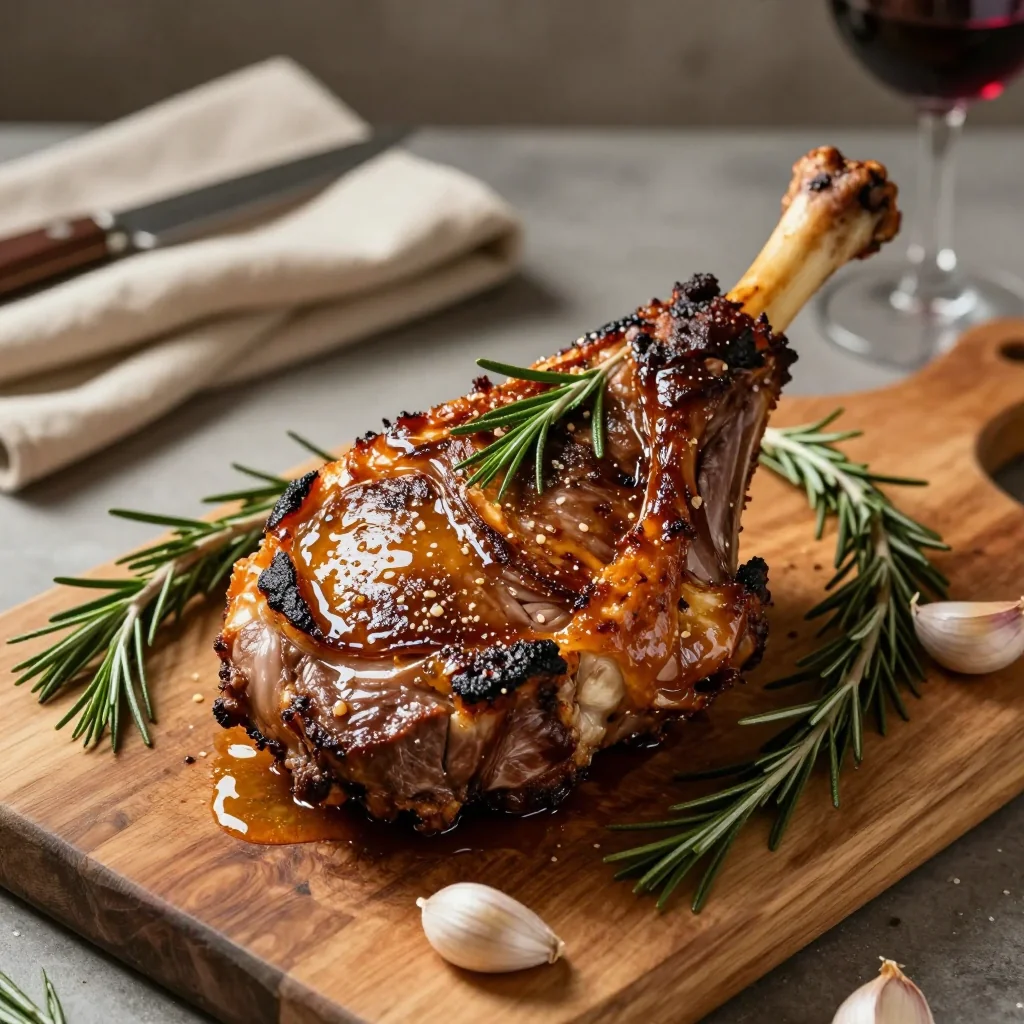
A timeless centerpiece that marries tender lamb with aromatic garlic‑rosemary butter, perfect for any celebration.
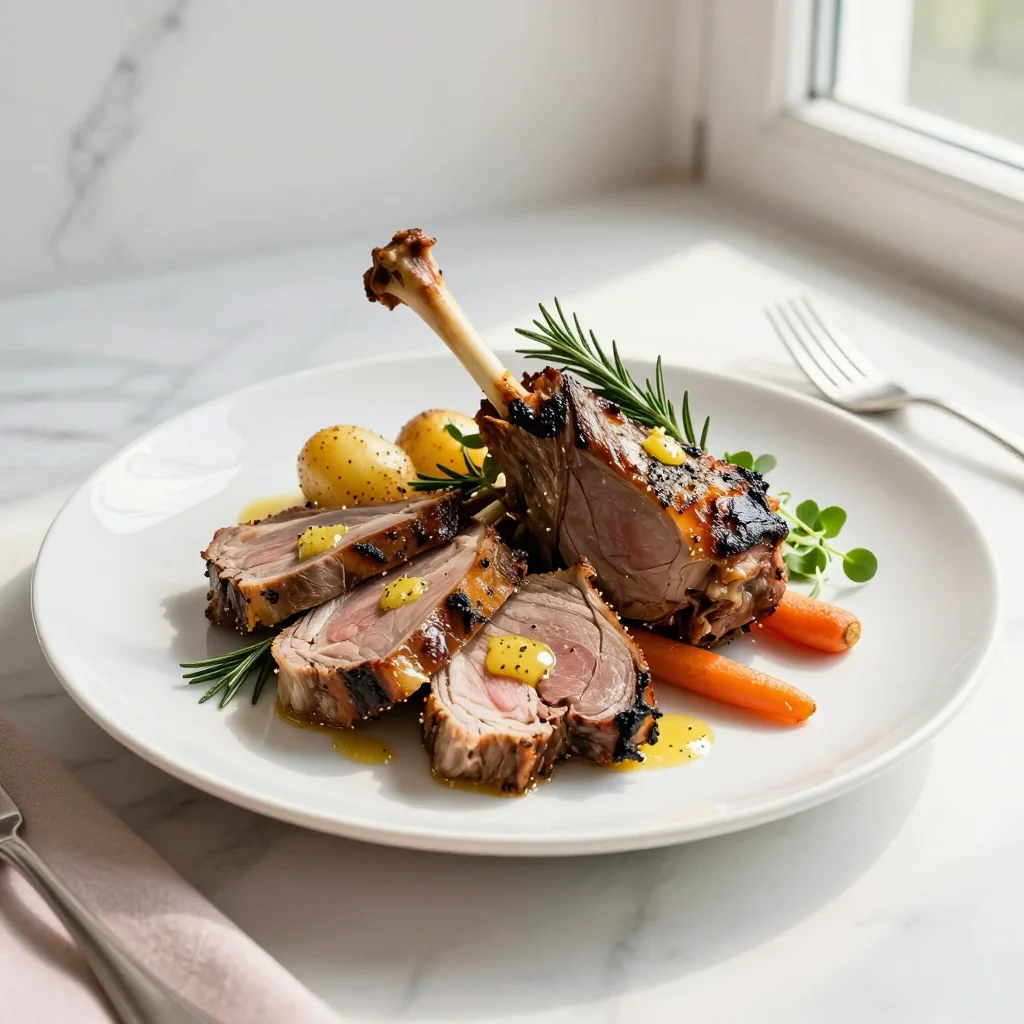
A Personal Journey to the Perfect Roast
When I was ten, my grandmother would pull a massive leg of lamb from the oven on Sunday evenings, its skin crackling like fireworks and the scent of rosemary filling every corner of the house. I remember perched on a kitchen stool, eyes wide, waiting for that first slice to glide off the bone, the juices sparkling like amber. That memory stayed with me, shaping my love for slow‑roasted meats and the comforting rituals that surround them.
This dish hails from the rustic countryside of France, where shepherds would season their lamb with what grew abundantly in the hills—garlic, rosemary, and wild thyme. Over centuries, the simple butter‑based glaze evolved into a luxurious coating that locks in moisture while imparting a fragrant herbaceous crust.
In this guide, you’ll discover how to balance seasoning, temperature, and timing to achieve a juicy interior and a caramelized exterior. I’ll walk you through each step, from selecting the perfect cut to mastering the art of basting, ensuring that even a first‑time roaster can create a show‑stopping centerpiece.
Let’s roll up our sleeves, preheat the oven, and bring a piece of culinary heritage to your table.
🌟 Why This Recipe Will Capture Your Heart
There’s something magical about a perfectly roasted leg of lamb—tender, juicy meat paired with a fragrant butter that sings of garlic and rosemary. This recipe delivers that magic every single time.
- ✨ Unmatched Juiciness: The butter‑rosemary mixture bastes the meat continuously, preventing dryness and creating a glossy, flavorful crust.
- ✨ Simple Yet Elegant: With just a handful of pantry staples, you can serve a dish that feels restaurant‑grade without the fuss.
- ✨ Flexible Cooking: Whether you have a conventional oven, a convection oven, or a charcoal grill, the method adapts effortlessly.
- ✨ Perfect for Any Occasion: From intimate family dinners to holiday feasts, this lamb shines as the star of the table.
- ✨ Health‑Conscious Flavor: Lean protein, heart‑healthy rosemary, and modest butter keep the dish indulgent yet balanced.
- ✨ Crowd‑Pleaser: The aromatic profile appeals to meat lovers and even to those who are hesitant about lamb, thanks to the familiar garlic and herb notes.
🥗 Ingredients
📝 Complete Ingredient List
For the Lamb:
- 2.5 kg bone‑in leg of lamb
- 2 tsp coarse sea salt
- 1 tsp freshly ground black pepper
- 6 large garlic cloves, minced
- 3 tbsp fresh rosemary, finely chopped
- 2 tbsp extra‑virgin olive oil
For the Garlic Rosemary Butter:
- 200 g unsalted butter, softened
- 1 tsp lemon zest
- 0.5 tsp ground cumin (optional)
- 1 tbsp fresh parsley, chopped (for garnish)
For the Optional Mint‑Yogurt Sauce:
- 200 g Greek yogurt
- 2 tbsp fresh mint leaves, minced
- 1 tsp honey
- 0.5 tsp salt
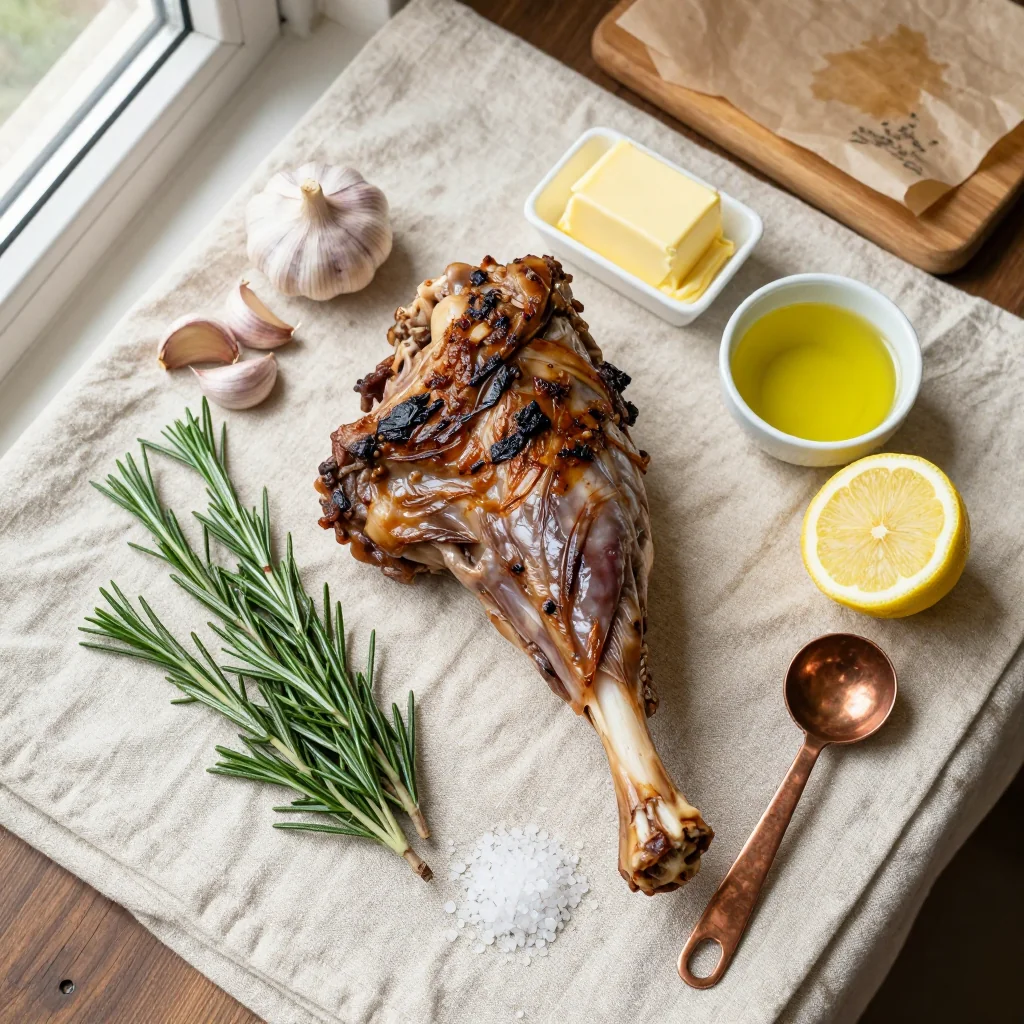
🔍 Focus on Key Ingredients
Lamb Leg (Bone‑In)
The bone adds flavor and helps distribute heat evenly, resulting in a more uniform cook. Choose a leg with a good layer of fat; this renders into the butter, enriching the meat while keeping it moist. If you prefer a leaner cut, ask the butcher to trim the fat but keep at least a thin cap.
Fresh Rosemary
Rosemary’s piney, slightly citrusy notes pair perfectly with lamb. Fresh rosemary releases essential oils when chopped, which infuse the butter and the meat. When possible, use sprigs and strip the leaves; this maximizes flavor while avoiding woody stems.
Garlic
Garlic provides a deep, savory backbone. Mince it finely so it distributes evenly throughout the butter, preventing large chunks that could burn. If you love a milder garlic flavor, you can roast the cloves first, but for this recipe we keep it raw to preserve its pungency.
🔄 Quick Substitutions
| If you don’t have... | Use instead... |
|---|---|
| Fresh rosemary | Dried rosemary (½ tsp) |
| Unsalted butter | Salted butter (reduce added salt) |
| Greek yogurt | Plain whole‑milk yogurt |
👨🍳 Step‑by‑Step Instructions
Follow these detailed steps to transform a simple leg of lamb into a fragrant, buttery masterpiece.
📋 Phase 1: Preparation & Mise en Place
Getting everything ready before the oven opens ensures a smooth cooking process.
Trim and Pat Dry the Lamb
Using a sharp boning knife, remove any silver skin and excess connective tissue from the leg. Pat the surface dry with paper towels; moisture on the surface will steam the meat and hinder browning. Score the fat cap in a crosshatch pattern, being careful not to cut into the meat itself—this helps the butter seep into the meat and creates a beautiful crackling.
Create the Garlic‑Rosemary Butter
In a medium bowl, combine the softened butter, minced garlic, chopped rosemary, lemon zest, and optional cumin. Mix until smooth and aromatic. The lemon zest adds a bright counterpoint to the richness, while cumin gives a subtle earthy depth if you choose to use it.
Season the Lamb
Rub the entire leg with olive oil, then sprinkle the sea salt and black pepper evenly. Use your hands to massage the seasoning into every crevice, especially the scored fat. This layer of oil helps the butter adhere during roasting.
🔥 Phase 2: Roasting & Basting
Now the real transformation begins—heat, butter, and patience.
Apply the Butter and Pre‑heat Oven
Spread a generous layer of the garlic‑rosemary butter over the entire surface of the lamb, making sure to get into the scored fat. Pre‑heat a conventional oven to 180 °C (350 °F) with a rack positioned in the lower third.
Roast the Lamb
Place the butter‑coated leg on a roasting pan with a rack. Insert an oven‑safe meat thermometer into the thickest part of the meat, avoiding the bone. Roast for about 1 hour, then reduce the temperature to 160 °C (320 °F) and continue roasting for another 45‑60 minutes, basting every 15 minutes with pan juices and any remaining butter.
The internal temperature should reach 60 °C (140 °F) for medium‑rare, 65 °C (150 °F) for medium, or 70 °C (160 °F) for well‑done. Remember that the meat will continue to rise 3‑5 °C while resting.
Prepare the Optional Mint‑Yogurt Sauce
While the lamb rests, whisk together Greek yogurt, minced mint, honey, and a pinch of salt in a small bowl. Refrigerate until ready to serve. The cool, tangy sauce balances the richness of the butter and adds a refreshing herb note.
✨ Phase 3: Finishing & Plating
The final touches that turn a roast into a masterpiece.
Rest the Lamb
Remove the leg from the oven and transfer it to a cutting board. Tent loosely with foil and let it rest for 15‑20 minutes. Resting allows the juices to redistribute, ensuring every slice is moist.
Carve and Garnish
Using a sharp carving knife, slice the meat against the grain into 1‑cm thick slices. Arrange the slices on a warm platter, drizzle any remaining pan juices over the top, and sprinkle freshly chopped parsley for color.
Serve with Accompaniments
Offer the mint‑yogurt sauce on the side, along with roasted vegetables, buttery potatoes, or a crisp green salad. The sauce can be spooned lightly over each slice or served on the side for guests to dip.
💡 Expert Tips & Tricks
🛒 Choosing the Right Ingredients
Seek a leg of lamb that feels heavy for its size; this indicates good marbling and a solid bone. Look for a bright red color and a firm texture. If possible, ask for a “French‑trimmed” leg where excess fat is already removed but the protective fat cap remains. Fresh rosemary should have vibrant green needles, not brown or wilted tips.
🔪 Preparation Techniques
Scoring the fat cap not only helps the butter penetrate but also creates a lattice that crisps beautifully. When mincing garlic, crush the cloves first with the flat side of a knife to release the oils, then finely dice. This prevents large, raw‑tasting pieces in the final butter.
🌡️ Mastering the Cooking Process
Invest in a reliable instant‑read thermometer; it’s the most accurate way to gauge doneness. Start the roast at a higher temperature (180 °C) to develop a crust, then lower it to finish cooking gently. Basting every 15 minutes keeps the surface moist and builds layers of flavor.
🍽️ Presentation & Service
For a restaurant‑style presentation, slice the lamb on a warm platter, drizzle a spoonful of the pan juices in a decorative swirl, and sprinkle micro‑herbs or edible flowers. Pair with a simple arugula salad dressed with lemon vinaigrette to cut through the richness.
🏆 Pro Tips
Elevate your roast from excellent to unforgettable with these professional insights.
- 🎯 Use a Brine for Extra Moisture: Submerge the leg in a mild brine (water, salt, a pinch of sugar, and rosemary) for 4‑6 hours before cooking. The brine penetrates the muscle fibers, ensuring juicier meat and more even seasoning.
- 🎯 Butter Layering Technique: Instead of applying all the butter at once, spread a thin layer before the first hour, then add fresh butter every 20 minutes. This creates multiple flavor layers and a deeper crust.
- 🎯 Roast on a Bed of Vegetables: Place carrots, onions, and celery under the lamb. They act as a natural rack, absorb the drippings, and become a delicious side dish.
- 🎯 Finish on High Heat: After the meat reaches target temperature, crank the oven to 220 °C for the last 5‑7 minutes. This rapid blast creates an ultra‑crisp exterior without overcooking the interior.
- 🎯 Rest in a Warm Oven: If you’re timing a dinner, rest the lamb in a turned‑off oven with the door ajar. The residual heat keeps it warm while the juices settle.
- 🎯 Slice Against the Grain: Observe the direction of the muscle fibers; cutting perpendicular to them shortens the fibers and makes each bite more tender.
"A perfectly roasted leg of lamb is the epitome of comfort food—simple ingredients, meticulous technique, and endless love." — Chef Alain Ducasse
🔄 Variations and Adaptations
This recipe is a versatile canvas. Feel free to experiment with flavors, dietary needs, or seasonal twists.
🥬 Vegetarian / Vegan Version
Swap the lamb for a whole roasted cauliflower or a large portobello mushroom cap. Brush the veg with the same garlic‑rosemary butter (use plant‑based butter for vegan) and roast at 200 °C for 45‑50 minutes, basting regularly.
- Use 400 g of cauliflower florets, tossed in the butter mixture.
- Replace dairy butter with a vegan margarine or coconut oil for a dairy‑free option.
🌶️ Flavor Variations
Adjust the herb profile or add spice to suit your palate.
Spicy Version:
Add 1 tsp smoked paprika and ½ tsp crushed red pepper flakes to the butter. The heat pairs beautifully with the richness of the lamb.
Mediterranean Version:
Incorporate chopped olives, sun‑dried tomatoes, and a drizzle of extra‑virgin olive oil before roasting. Finish with a squeeze of fresh lemon.
Asian‑Inspired Version:
Mix 2 tbsp soy sauce, 1 tbsp grated ginger, and 1 tbsp honey into the butter. Garnish with toasted sesame seeds and sliced scallions after cooking.
⚠️ Dietary Adaptations
Gluten‑Free:
All ingredients are naturally gluten‑free. Ensure any store‑bought butter or sauces are labeled as such.
Lactose‑Free:
Use lactose‑free butter or a dairy‑free alternative like ghee. Substitute the Greek yogurt sauce with a coconut‑milk based raita.
Low‑Calorie:
Trim excess fat from the leg, reduce butter to 100 g, and serve with a large portion of roasted vegetables to lower overall caloric density.
👶 Family / Kids Version
Kids often prefer milder flavors. Omit the rosemary and use a simple herb butter made with parsley and thyme. Serve the lamb sliced thinly alongside buttery mashed potatoes and sweet carrots for a kid‑friendly plate.
📦 Storage and Reheating
🧊 Conservation
Refrigerator:
- Duration: 4 days
- Container: Airtight glass container or tightly wrapped in foil
- Tip: Store the meat with a thin layer of butter on top to keep it moist.
Freezer:
- Duration: 3 months
- Method: Portion the cooked lamb, wrap each portion in parchment, then place in a freezer‑grade zip‑lock bag.
- Defrosting: Thaw overnight in the refrigerator before reheating.
💡 For best texture, reheat only the portion you’ll serve, avoiding repeated cycles.
♨️ Reheating
🔥 Oven (Recommended):
- Preheat to 150 °C (300 °F).
- Place the sliced lamb in an oven‑safe dish, cover loosely with foil.
- Heat for 15‑20 minutes, or until warmed through.
- Remove foil for the last 5 minutes to re‑crisp the edges.
⚡ Microwave (Quick):
- Arrange slices on a microwave‑safe plate, cover with a microwave‑safe lid.
- Heat on medium power for 1‑2 minutes, then check and stir.
- Continue in 30‑second bursts until hot.
🍳 Stovetop:
Heat a skillet over medium heat, add a splash of broth or water, and gently warm the slices, turning frequently to avoid drying out.
🍷 Perfect Pairings
🥗 Side Dishes
- Roasted Root Vegetables: Carrots, parsnips, and turnips tossed in olive oil and thyme complement the lamb’s earthiness.
- Garlic‑Lemon Green Beans: Lightly sautéed beans with a splash of lemon juice brighten the plate.
- Herb‑Infused Couscous: Fluffy couscous with chopped mint and parsley adds a subtle texture contrast.
🍷 Wine & Beverage Pairings
- Red Bordeaux Blend: The tannins cut through the butter richness while the herb notes echo the rosemary.
- Syrah/Shiraz: Its peppery spice enhances the optional cumin and any added heat.
- Non‑Alcoholic: Sparkling pomegranate juice offers a fruity acidity that balances the meat.
🍰 To Complete the Meal
Start with a light citrus salad, follow with the lamb, and finish with a classic French tarte Tatin or a honey‑drizzled baklava. Both desserts provide a sweet contrast to the savory main.
❓ Frequently Asked Questions
Q: How do I know if the lamb is cooked to medium‑rare?
Insert an instant‑read thermometer into the thickest part of the meat, avoiding the bone. For medium‑rare, aim for 60 °C (140 °F). Remember the temperature will rise an additional 3‑5 °C while the meat rests.
Q: Can I use a boneless leg of lamb?
Yes, but a bone‑in leg provides more flavor and a more even heat distribution. If you choose boneless, reduce the cooking time by about 10‑15 minutes and monitor the internal temperature closely.
Q: What if I don’t have fresh rosemary?
Dried rosemary works, but use only half the amount (½ tsp) because it’s more concentrated. Add it to the butter early so it has time to rehydrate.
Q: My butter keeps burning—what can I do?
Make sure the oven temperature isn’t too high during the basting phase. If the butter begins to brown too quickly, cover the roast loosely with foil to protect the surface while still allowing steam to escape.
Q: Can I prepare the butter mixture a day ahead?
Absolutely. Mix the butter, garlic, rosemary, and lemon zest, then store it in an airtight container in the refrigerator. Bring it to room temperature before applying it to the meat.
Q: How can I make this recipe ahead for a holiday gathering?
Season and butter the lamb the night before, then cover tightly and refrigerate. In the morning, let it come to room temperature, then roast as directed. The pre‑seasoned meat will develop deeper flavor.
🎉 To Your Oven!
Roasting a leg of lamb is more than just cooking; it’s a celebration of tradition, flavor, and the joy of sharing a beautifully prepared dish with loved ones. This recipe combines the timeless technique of slow roasting with a vibrant garlic‑rosemary butter that guarantees a succulent interior and a golden, aromatic crust. Whether you’re planning a festive holiday feast or a cozy weekend dinner, the steps outlined here will guide you to a result that looks and tastes restaurant‑worthy.
Remember, the key lies in preparation, patience, and the quality of your ingredients. With the tips, variations, and pro tricks provided, you have the tools to adapt the recipe to any palate or occasion. So fire up your oven, trust your senses, and let the intoxicating aromas fill your kitchen.
Have you tried this recipe?
Leave a comment and rating below! Share your photos on Instagram with #LambFiesta for a chance to be featured on our blog.
Roasted Leg of Lamb with Garlic Rosemary Butter
A succulent, herb‑infused roast perfect for celebrations and family gatherings.
📝 Ingredients
Lamb
Garlic Rosemary Butter
Mint Yogurt Sauce (Optional)
👨🍳 Instructions
- Trim excess fat, pat dry, and score the fat cap.
- Mix butter, garlic, rosemary, lemon zest, and optional cumin.
- Rub lamb with olive oil, salt, and pepper; spread butter mixture over it.
- Preheat oven to 180 °C (350 °F) and place lamb on a rack in a roasting pan.
- Roast 1 hour, lower temperature to 160 °C (320 °F) and continue for 45‑60 minutes, basting every 15 minutes.
- Prepare mint‑yogurt sauce while the lamb rests.
- Rest the lamb 15‑20 minutes, tented with foil.
- Carve against the grain, garnish with parsley, and drizzle pan juices.
- Serve with chosen sides and optional sauce.
- Enjoy and share your experience with friends and family!
🥗 Nutritional Information (per serving)
*Values are estimates based on standard ingredient data.
📚 You Might Also Like
Herb‑Crusted Roast Beef
Chicken Marsala
Moroccan Vegetable Tagine
Seafood Paella
💬 Comments & Reviews
No comments yet. Be the first to share your thoughts!





Leave a Comment