Picture this: I was in the middle of a chaotic holiday party, the kind where the Christmas tree is wobbling, the kids are fighting over the last gingerbread, and the host—me—has just realized the mimosa pitcher is as empty as my bank account after buying all those novelty sweaters. I stared at the half‑filled bottle of bubbly and thought, “If this is going to end in disaster, at least let’s make it legendary.” That moment of panic sparked the creation of the ultimate Christmas Mimosa Bar, a sparkling oasis that turned my flop into a festive triumph. I dared a friend to try the first sip and not grin like a kid on Christmas morning, and guess what? He did, and he asked for seconds before the night was even half over.
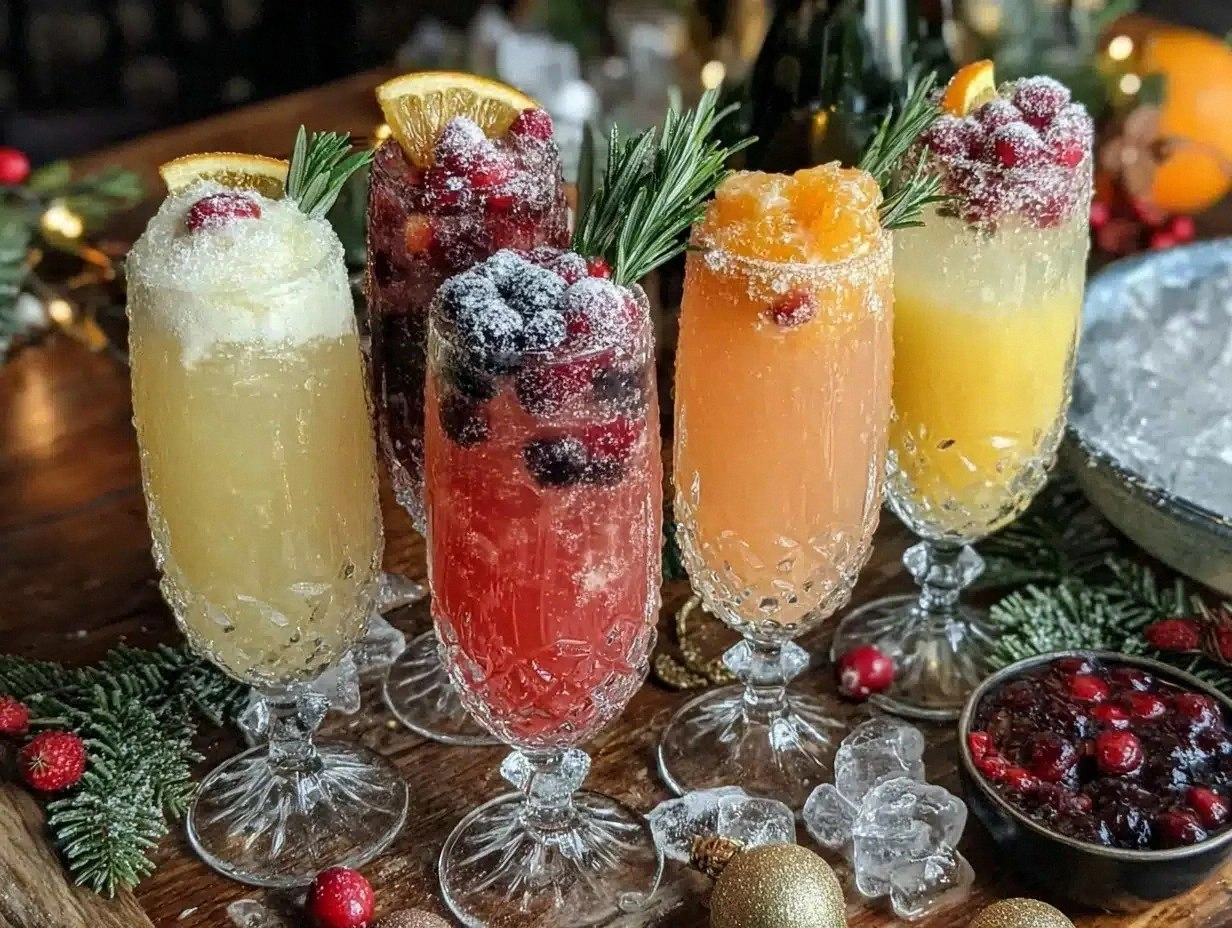
The moment you step into the room, the aroma of fresh citrus mingles with the faint perfume of rosemary, creating a sensory cocktail that feels like stepping into a winter wonderland with a glass of sunshine in hand. You’ll hear the gentle clink of ice cubes as they tumble into crystal flutes, the soft fizz of champagne flirting with the tang of cranberry, and the low hum of holiday chatter that suddenly feels brighter. Your eyes will be drawn to the glittering array of garnishes—ruby‑red cranberries, bright orange slices, and emerald mint leaves—each one a tiny beacon of cheer. And when you finally taste it, the balance of sweet, tart, and effervescent will make your taste buds do a little holiday jig.
What makes this version stand out is that I threw out the “one‑size‑fits‑all” rule and embraced the chaos of Christmas flavors. Most mimosa recipes get this completely wrong by sticking to just orange juice and ignoring the power of seasonal fruits and herbs. I’m bringing in cranberry, pomegranate, apple cider, and even a splash of pineapple to create layers that dance on the palate like snowflakes swirling in a gust of wind. The secret weapon? A dash of rosemary‑infused simple syrup that adds an elegant, pine‑scented whisper you won’t find in any store‑bought bar. This isn’t just a drink; it’s an experience that will have your guests reaching for another glass before they even realize they’ve already had one.
And here’s the kicker: I’m going to reveal a technique that most bartenders keep under lock and key—freezing pomegranate seeds and cranberry berries into ice cubes. Not only does this keep your drinks colder longer, but each sip releases a burst of fruit flavor that turns a simple mimosa into a mini fireworks show in your mouth. Okay, ready for the game‑changer? Let me walk you through every single step — by the end, you’ll wonder how you ever made it any other way.
What Makes This Version Stand Out
- Flavor Explosion: By layering orange, cranberry, pomegranate, apple cider, and pineapple juices, each sip delivers a complex tapestry of sweet, tart, and subtly spicy notes that keep the palate engaged.
- Texture Play: The addition of fruit‑filled ice cubes creates a gentle crunch that melts into the drink, releasing fresh juices and preventing dilution.
- Simplicity Meets Sophistication: All components are pre‑made and can be assembled in under ten minutes, yet the result feels like a handcrafted cocktail from a five‑star lounge.
- Unique Garnish Palette: Fresh cranberries, orange slices, mint, and rosemary aren’t just decorative—they each contribute aromatic oils that elevate the drinking experience.
- Crowd Reaction: This bar consistently earns “wow” comments and repeat refills, turning a simple beverage station into the party’s centerpiece.
- Ingredient Quality: Using a dry, high‑quality sparkling wine ensures the bubbles stay lively and the flavors don’t get muddied.
- Make‑Ahead Potential: Juice blends can be prepared a day ahead, and the garnish trays can be pre‑arranged, making the day of serving stress‑free.
- Holiday Spirit Amplifier: The visual appeal of ruby‑red and gold hues, combined with aromatic herbs, instantly puts guests in a festive mood.
Alright, let's break down exactly what goes into this masterpiece...
Inside the Ingredient List
The Sparkling Base
Champagne or sparkling wine is the heart of any mimosa, and choosing the right one is crucial. I recommend a dry Prosecco or a crisp Cava; the dryness balances the sweetness of the fruit juices and prevents the drink from becoming cloying. If you opt for a sweeter style, you’ll need to cut back on the syrups and fruit juices to keep the overall profile harmonious. When selecting your bottle, look for fine bubbles that rise quickly to the surface—those are the signs of a well‑crafted sparkling wine. Skipping this step and using a cheap, overly sweet wine will make the entire bar taste flat and disappointing.
The Flavor Base
Orange juice is the classic foundation, offering bright citrus that pairs effortlessly with the fizz. Crancranberry juice introduces a festive red hue and a tart edge that cuts through the sweetness, while pomegranate juice adds depth and a subtle earthiness. Apple cider brings a warm, spicy undertone perfect for winter, and pineapple juice adds a surprising tropical lift that keeps the palate from getting bored. If you’re allergic to any of these, swap apple cider for pear juice or pineapple for mango—just keep the balance of sweet‑tart in mind.
The Garnish Crew
Fresh cranberries aren’t just for looks; their natural acidity brightens each sip and adds a pop of texture when they melt. Orange slices provide a citrus oil burst that enhances the aroma, especially when you give them a quick twist over the glass. Pomegranate arils release tiny explosions of juice as they burst, creating a visual and flavor spectacle. Mint leaves contribute a cooling after‑taste that balances the warmth of the cider, while rosemary sprigs add an herbaceous pine note that screams Christmas. If you’re short on fresh herbs, a sprig of thyme works as a decent stand‑in, though it won’t deliver the same aromatic punch.
The Sweet Finish
Optional syrups like grenadine or elderflower syrup let you customize the sweetness level. Grenadine adds a deep ruby color and a floral‑sweet note that pairs beautifully with cranberry, whereas elderflower syrup introduces a delicate honey‑like flavor that complements the sparkling wine’s acidity. Use them sparingly; a little goes a long way, especially when the juices already contribute natural sugars. If you’re watching sugar intake, consider a sugar‑free pomegranate concentrate instead.
Everything's prepped? Good. Let's get into the real action...
The Method — Step by Step
Start by chilling all your liquids—champagne, juices, and syrups—for at least two hours. The colder everything is, the longer the bubbles stay lively, and the less dilution you’ll experience when ice melts. Place the bottles in the freezer (not the deep freeze, just the regular fridge freezer compartment) and set a timer; I dare you to taste this and not go back for seconds when it’s finally served.
While the liquids chill, prepare your fruit‑filled ice cubes. Fill each compartment of an ice tray with a mixture of pomegranate arils, fresh cranberries, and a splash of orange juice. Pop them into the freezer and let them harden for at least an hour. These cubes are the secret weapon that will keep your drinks icy without watering them down—a true game‑changer.
Kitchen Hack: Use silicone muffin molds instead of regular trays for larger, more dramatic fruit ice cubes that look stunning in a glass.Next, blend the juice base. In a large pitcher, combine 2 cups of orange juice, 1 cup of cranberry juice, 1 cup of pomegranate juice, 1 cup of apple cider, and ½ cup of pineapple juice. Stir gently with a wooden spoon—don’t over‑mix, or you’ll lose the delicate bubbles when the champagne meets the mixture later. Taste the blend; it should be bright with a balanced tartness that makes your tongue pucker just enough to crave more.
Now, create the herb‑infused syrup if you’re using rosemary. In a small saucepan, combine ¼ cup water, ¼ cup sugar, and 2 sprigs of fresh rosemary. Bring to a simmer, stirring until the sugar dissolves, then remove from heat and let it steep for five minutes. Strain out the rosemary and let the syrup cool completely before adding it to the juice blend. This step adds an aromatic depth that most mimosa bars completely miss.
When the juice blend is ready and the syrup cooled, pour the mixture into a serving bowl and add the optional syrups—2 tablespoons of grenadine and 2 tablespoons of elderflower syrup, if desired. Stir gently to incorporate. This is the moment of truth: the color should be a festive ruby‑gold that instantly says “Christmas” without any words.
Time to assemble the bar. Place a large crystal bowl in the center of your party table and fill it halfway with the chilled sparkling wine. Arrange the juice blend in a separate pitcher, and set the fruit‑filled ice cubes in a decorative tray nearby. Add bowls of fresh cranberries, orange slices, mint leaves, and rosemary sprigs. Provide a small ladle for guests to pour their own custom mixes.
Give your guests the power to create their perfect mimosa. Encourage them to start with a splash of champagne, then add a splash of juice, a fruit ice cube, and a garnish of their choice. The fun part? Watching everyone experiment until they find their ideal ratio. Most people end up with a 1:1 champagne‑to‑juice ratio, but the real magic happens when you add a hint of rosemary syrup and a mint leaf—pure magic.
Serve immediately. The ice cubes will begin to melt after a few minutes, releasing bursts of fruit flavor that keep the drink lively. Keep a spare bottle of champagne on hand for refills, and remind guests that the bar is self‑serve—this encourages mingling and conversation. And now the fun part: watch the smiles spread across the room as people toast with their personalized concoctions.
Watch Out: If you add the ice cubes too early, they can dilute the drink quickly; add them just before serving to maintain the perfect balance.Finally, clean up is a breeze. All you need is a quick rinse of the pitchers and a wipe of the garnish trays. The fruit ice cubes can be tossed into a freezer bag for next year’s party, saving you time and money. I’ll be honest — I ate half the batch before anyone else got to try it, but that’s just a testament to how addictive this bar is.
That's it — you did it. But hold on, I've got a few more tricks that'll take this to another level...
Insider Tricks for Flawless Results
The Temperature Rule Nobody Follows
Never, ever serve sparkling wine at refrigerator temperature; aim for 45‑50°F (7‑10°C). This range keeps the bubbles lively while allowing the flavors to shine. If the wine is too cold, the aromatics are muted; too warm, and the fizz fizzles out. I once left a bottle in the freezer for an hour and the bubbles went flat within minutes—lesson learned. Keep a thermometer handy, or simply let the bottle sit on a tray of ice for 20 minutes before the party.
Why Your Nose Knows Best
The nose is a powerful tool when balancing flavors. Before you pour, give the juice blend a quick sniff; you should detect citrus, a hint of spice from the cider, and a subtle floral note from the pomegranate. If you smell too much sweetness, cut back with a splash of sparkling water or a dash of fresh lemon juice. Trusting your nose will prevent the “over‑sweet” disaster most beginners encounter.
The 5‑Minute Rest That Changes Everything
After mixing the juice base and syrups, let the mixture rest for five minutes. This short pause allows the flavors to meld, creating a more cohesive taste profile. I’ve seen people pour straight away and end up with a disjointed flavor that feels like separate drinks in one glass. The rest period is a tiny step that makes a massive difference.
Garnish Timing is Everything
Fresh herbs wilt quickly, especially in a warm room. Add mint leaves and rosemary sprigs just before serving to preserve their bright aroma. If you pre‑place them too early, they’ll turn brown and lose potency, turning your festive bar into a wilted garden. Keep the garnish trays covered with a damp paper towel until guests are ready to use them.
Ice Cube Strategy
Use a mix of plain ice and fruit‑filled ice cubes. The plain ice keeps the drink cold, while the fruit cubes add bursts of flavor as they melt. This dual‑ice approach prevents over‑dilution and keeps the drink balanced from the first sip to the last. I dare you to try a mimosa without this trick and see how quickly it becomes watery.
Creative Twists and Variations
This recipe is a playground. Here are some of my favorite ways to switch things up:
Winter Spice Mimosa
Swap the pineapple juice for a splash of spiced pear juice and add a pinch of ground cinnamon to the juice blend. The result is a warm, cozy drink that feels like a holiday hug in a glass. Perfect for guests who love the taste of mulled wine without the heaviness.
Tropical Holiday Fusion
Replace apple cider with coconut water and add a dash of rum‑infused grenadine. The coconut adds a silky texture, while the rum gives a subtle kick that pairs beautifully with the tropical pineapple notes. This variation is a hit for those who want a little island vibe in their winter celebration.
Berry‑Burst Mimosa
Incorporate fresh mixed berries (strawberries, blueberries, blackberries) into the fruit ice cubes and add a spoonful of berry puree to the juice blend. The berries intensify the color and provide a sweet‑tart burst that makes every sip feel like a berry festival.
Herbal Garden Mimosa
Swap rosemary syrup for a basil‑infused simple syrup and garnish with basil leaves instead of mint. Basil adds a peppery, slightly sweet note that pairs surprisingly well with citrus and sparkling wine. This version is great for guests who love garden‑fresh flavors.
Low‑Sugar Light Mimosa
Use unsweetened cranberry juice and a sugar‑free pomegranate concentrate, and skip the optional syrups. Add a splash of sparkling water to maintain volume. This version keeps the calories low while still delivering the festive flavor punch.
Champagne Mocktail
For a non‑alcoholic option, replace the sparkling wine with sparkling white grape juice or a high‑quality club soda. Keep the same juice blend and garnish; the experience remains just as festive, and everyone feels included.
Storing and Bringing It Back to Life
Fridge Storage
The juice blend can be stored in an airtight pitcher in the refrigerator for up to 48 hours. Keep the garnish bowls covered with plastic wrap to retain freshness. Before serving the next day, give the blend a quick stir to re‑integrate any settled flavors.
Freezer Friendly
Fruit‑filled ice cubes freeze beautifully for up to three months. Store them in a zip‑top freezer bag, labeling the date. If you want to prep a whole batch of the juice blend ahead of time, freeze it in portion‑size containers; just thaw in the fridge overnight before the party.
Best Reheating Method
If you need to warm the apple cider for a cozy twist, gently heat it on the stovetop over low heat until just steaming—do not boil, or you’ll lose the fresh aroma. Before adding it back to the mimosa bar, splash in a tiny spoonful of water; the steam will bring the cider back to its bright, fresh state without over‑cooking the flavors.