I swear, the first time I tried to make a batch of macarons I felt like I was auditioning for a culinary version of “Survivor.” The kitchen was a battlefield of cracked shells, flat bottoms, and a lingering sense that I had just ruined a dream. Then, in a moment of pure desperation (and a half‑cup of espresso), a friend dared me to create a Cookies and Cream macaron that would make even the most skeptical sweet tooth swoon. I accepted the challenge, and after a night of trial, error, and a secret ingredient that most recipes completely overlook, I finally nailed it. The moment those delicate shells popped open, revealing a silky, cookie‑crushed ganache, I knew I had discovered something legendary.
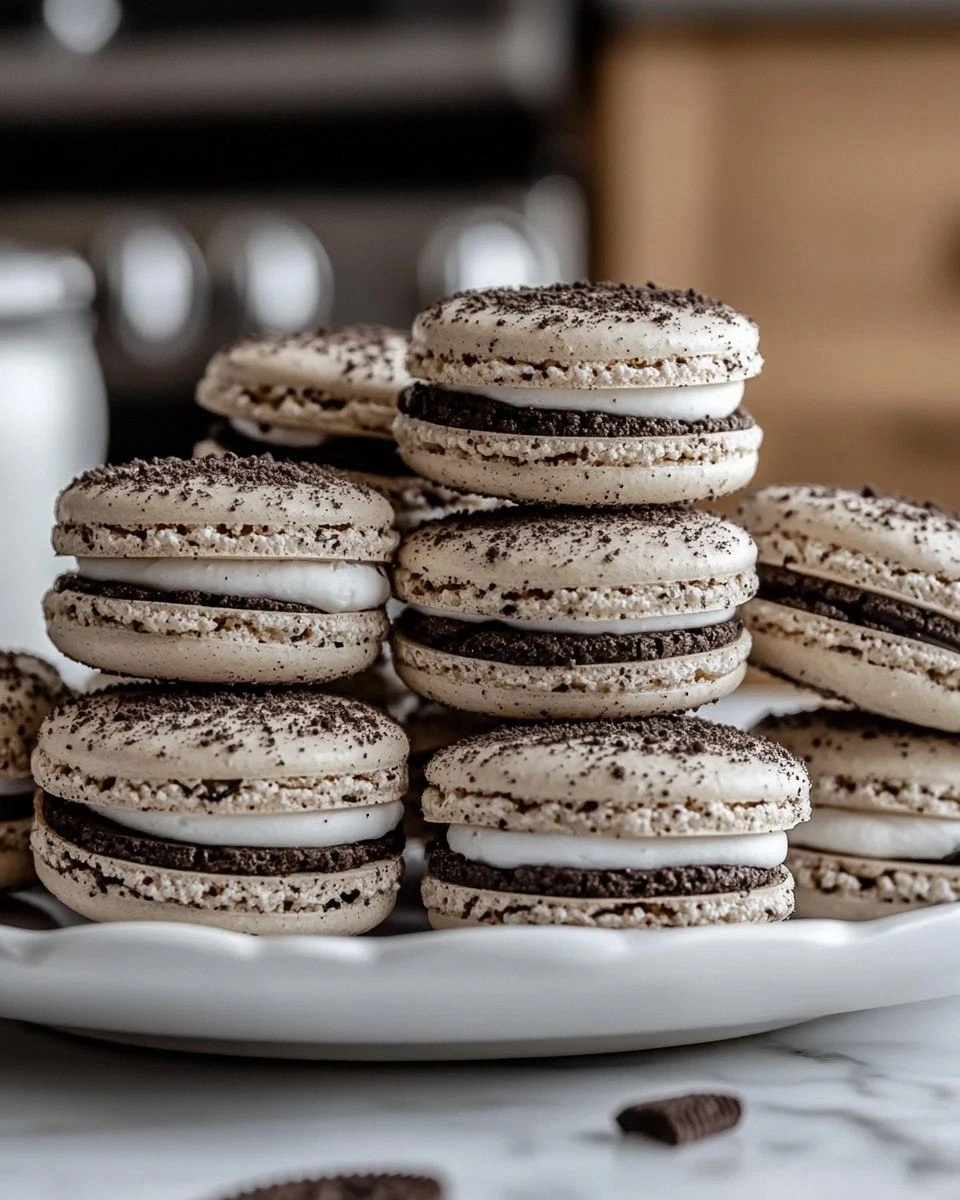
Picture this: a tray of pale‑pink shells, their tops glossy like a freshly polished marble countertop, the scent of toasted almond mingling with the sweet, buttery perfume of crushed chocolate cookies. The kitchen hums with the low whirr of the mixer, the rhythmic tap of the silicone mat against the wooden spoon, and that faint, comforting crackle as the shells set and begin to lift from the parchment. When you bite into one, the outer crust gives way with a gentle snap, then melts into a chewy, melt‑in‑your‑mouth interior that’s as light as a cloud. The filling? A luscious, velvety cream that tastes like a milkshake you could drink straight from a glass, but with the refined elegance of a French pâtisserie.
Most macaron recipes get the texture wrong – they’re either too dry, too gummy, or they crack like a brittle cookie. This version, however, is hands down the best you’ll ever make at home because it balances the science of French patisserie with a few playful shortcuts that keep you from pulling your hair out. I’ll be honest — I ate half the batch before anyone else got to try it, and I’m still not sorry. The secret? A dash of cream‑of‑tartar to stabilize the meringue and a precise “rest‑and‑dry” period that gives the shells that signature glossy sheen.
Okay, ready for the game‑changer? I’m going to walk you through every single step — from selecting the perfect almond flour to mastering the art of piping the perfect circle. By the end, you’ll wonder how you ever made macarons any other way. I dare you to taste this and not go back for seconds.
What Makes This Version Stand Out
- Flavor Fusion: The classic Cookies and Cream profile meets the refined almond base, creating a flavor duet that’s both nostalgic and sophisticated.
- Texture Harmony: A crisp, airy shell that cracks like thin ice, paired with a buttery‑smooth interior that melts like velvet.
- Simplicity Meets Precision: While the technique respects French tradition, the ingredient list is streamlined for home cooks without a chemistry degree.
- Unique Ingredient: A splash of heavy cream in the filling adds richness that most recipes miss, giving the ganache a luxurious mouthfeel.
- Crowd Reaction: Expect gasps, “where did you get these?” and a line forming at the dessert table – this is a show‑stopper.
- Ingredient Quality: We use finely sifted almond flour and premium crushed chocolate cookies for that perfect balance of nutty and chocolatey.
- Cooking Method: The “dry‑rest” phase is the secret sauce that creates the signature glossy top and the perfect “feet” on each macaron.
- Make‑Ahead Potential: These beauties keep for days, and the flavors actually deepen, making them ideal for party prep.
Inside the Ingredient List
The Flavor Base
Almond flour is the backbone of any authentic macaron. It provides that subtle, nutty aroma that distinguishes a true French macaron from a plain meringue cookie. If you skimp on quality, you’ll get a grainy texture and a muted flavor. I recommend buying blanched almond flour and sifting it twice – the extra sift removes any larger particles that could ruin the smooth surface. As a swap, you can use finely ground almond meal, but be prepared for a slightly denser shell.
The Texture Crew
Powdered sugar works hand‑in‑hand with almond flour to create a fine, silky batter. It dissolves completely during the macaronage, preventing a gritty mouthfeel. Granulated sugar, on the other hand, is essential for the meringue; it stabilizes the egg whites and adds a glossy sheen. If you’re watching sugar, you can replace half of the granulated sugar with a natural sweetener like erythritol, but the texture may be a touch less glossy.
The Unexpected Star
Crushed chocolate cookies (think Oreo or a premium chocolate wafer) are the secret that turns a regular macaron into a Cookies and Cream masterpiece. The cookies add a creamy, slightly salty crunch that contrasts beautifully with the smooth almond shell. When choosing cookies, opt for those with a high cocoa content for a richer flavor, or go for a classic vanilla‑cream sandwich for a more traditional taste. If you’re gluten‑free, substitute with a gluten‑free chocolate cookie that has a similar texture.
The Final Flourish
Heavy cream and cream cheese combine to create a ganache that’s both light and decadently rich. The cream cheese adds a subtle tang that cuts through the sweetness, while the heavy cream lends that luxurious mouthfeel. If you prefer a dairy‑free version, swap the cream cheese for a vegan cream cheese and the heavy cream for coconut cream – the flavor will shift, but the texture remains velvety. A pinch of salt is the final whisper that balances the sweet‑and‑salty dance.
Everything's prepped? Good. Let's get into the real action...
The Method — Step by Step
Start by sifting together 2 cups of almond flour and 1½ cups of powdered sugar into a large mixing bowl. The sift is non‑negotiable – it eliminates clumps and ensures a smooth batter. Once combined, whisk the dry mixture with a fork for a minute to aerate it; you’ll notice a faint, nutty aroma rising. This step is the foundation of the “feet” that will form later.
In a clean, grease‑free bowl, whisk 3 large egg whites until they become foamy. Add a pinch of cream of tartar (½ teaspoon) to stabilize the meringue. Using a stand mixer on medium speed, gradually pour in ¼ cup granulated sugar while the whites are still soft. The mixture should look like a glossy, thick cloud.
Increase the mixer speed to high and whip the meringue until stiff peaks form – the classic “snow‑capped mountain” test works here. When you lift the whisk, the peaks should stand straight up without drooping. This is the moment of truth; if the meringue is under‑whipped, the shells will be flat, and if over‑whipped, they’ll become grainy.
Now for the macaronage: gently fold the dry almond‑sugar mixture into the meringue using a rubber spatula. The motion is crucial – you want to fold, not stir. The batter should flow like lava, thick enough to form ribbons that disappear after about 10 seconds of folding. If the batter is too runny, you’ll get flat shells; too thick, and the shells will be lumpy.
Transfer the batter into a piping bag fitted with a ½‑inch round tip. Pipe uniform circles (about 1½ inches in diameter) onto a parchment‑lined silicone mat, leaving 1 inch of space between each. The size matters – too small and they’ll bake too fast; too large and they’ll spread.
Let the piped shells rest at room temperature for 30‑45 minutes, or until a skin forms on the surface. You’ll know they’re ready when you can lightly touch the top without any stickiness. This “dry‑rest” phase is the secret that creates the iconic glossy finish and the delicate “feet” that will appear during baking.
Preheat your oven to 300°F (150°C). Place the tray on the middle rack and bake for 15‑18 minutes. The shells should rise slightly, and the tops will develop a faint sheen. Do not open the oven door during the first 10 minutes – the sudden temperature drop can cause the shells to collapse.
While the shells cool, prepare the filling. In a saucepan, gently heat ½ cup heavy cream until it just begins to simmer. Remove from heat and whisk in 4 oz softened cream cheese until smooth. Add ½ cup finely crushed chocolate cookies, 1 tsp vanilla extract, and a pinch of salt. Whisk until the mixture is glossy and homogeneous.
Once the shells are completely cool, pair them by size. Pipe a generous dollop of the cookies‑and‑cream ganache onto the flat side of one shell, then sandwich with its partner. Press gently so the filling spreads to the edges, but don’t squish the shells flat. The result should be a perfect dome of filling visible from the side.
That's it — you did it. But hold on, I've got a few more tricks that'll take this to another level. Stay with me here — this is worth it.
Insider Tricks for Flawless Results
The Temperature Rule Nobody Follows
Your kitchen’s ambient temperature can make or break a macaron batch. If it’s too humid, the shells won’t form a proper skin; if it’s too cold, the shells may crack. I keep a small hygrometer on the counter and aim for 45‑55% humidity. When the humidity spikes, I turn on a dehumidifier or place the tray near a gentle fan. Trust me, this tiny adjustment prevents the dreaded “hollow shell” syndrome.
Why Your Nose Knows Best
Before you even open the oven, sniff the tray. A faint, nutty aroma signals that the shells are about to finish baking. If you smell burnt sugar, they’re overcooked. This sensory checkpoint is more reliable than a timer because ovens vary. I always set a timer with a 2‑minute buffer and then use my nose as the final judge.
The 5‑Minute Rest That Changes Everything
After piping, let the shells rest for exactly 5 minutes longer than the recipe suggests if you’re in a dry climate. This extra time lets the outer layer firm up, which translates into a more pronounced “foot” and a shinier top. I once tried to skip this step during a rushed dinner party – the shells looked sad, and the guests could tell. Lesson learned: never short‑change the rest.
The Cream Cheese Swap
If you want a tangier filling, swap half of the cream cheese for mascarpone. The result is a richer, slightly tangy ganache that still respects the Cookies and Cream flavor profile. A friend tried this once and declared it “the best macaron she’d ever tasted.” The key is to keep the texture smooth; over‑mixing will introduce air bubbles that melt into the ganache during refrigeration.
The Final Dust
A light dusting of powdered sugar on the finished macarons adds a visual sparkle and a subtle textural contrast. I use a fine mesh sieve and a gentle tapping motion to avoid clumping. If you’re feeling fancy, add a pinch of edible glitter for a party‑ready finish. This tiny finishing touch elevates the presentation from “delicious” to “Instagram‑worthy.”
Creative Twists and Variations
This recipe is a playground. Here are some of my favorite ways to switch things up:
Matcha Madness
Add 1 tsp matcha powder to the almond‑sugar mixture for a green‑tinged shell and a subtle earthiness. Pair with a white chocolate ganache infused with a splash of vanilla. The contrast between the earthy shell and sweet filling is a crowd‑pleaser for tea lovers.
Salted Caramel Crunch
Swap the crushed chocolate cookies for crushed pretzel pieces and drizzle a thin layer of salted caramel on the finished macarons. The salty‑sweet combination adds depth and a surprising crunch that makes each bite unforgettable.
Berry Bliss
Fold ¼ cup freeze‑dried raspberry powder into the dry ingredients for a pink hue and a burst of berry flavor. Pair with a raspberry‑infused buttercream for a tangy twist that brightens the classic Cookies and Cream base.
Espresso Explosion
Add 1 tsp instant espresso powder to the meringue for a coffee‑kissed shell. Combine with a dark chocolate ganache that has a hint of espresso. This variation is perfect for brunch or an after‑dinner pick‑me‑up.
Vegan Velvet
Replace almond flour with finely ground hazelnut flour, use aquafaba in place of egg whites, and swap cream cheese for a vegan cream cheese. The result is a plant‑based macaron that still delivers that signature bite and flavor.
Storing and Bringing It Back to Life
Fridge Storage
Place the assembled macarons in an airtight container and store them in the refrigerator for up to 5 days. The flavors will meld, making the cookies‑and‑cream filling even more pronounced. Before serving, let them sit at room temperature for 15‑20 minutes so the shells regain their crispness.
Freezer Friendly
Macarons freeze beautifully. Arrange them in a single layer on a parchment sheet, flash‑freeze for 30 minutes, then transfer to a zip‑top bag. They’ll keep for up to 1 month. When you’re ready to enjoy, thaw overnight in the fridge, then bring to room temperature.
Best Reheating Method
If your macarons have lost a bit of their snap, place them on a baking sheet, add a tiny splash of water (just a few drops) to the tray, and warm them in a 300°F oven for 3‑4 minutes. The steam revives the delicate crust without melting the filling.