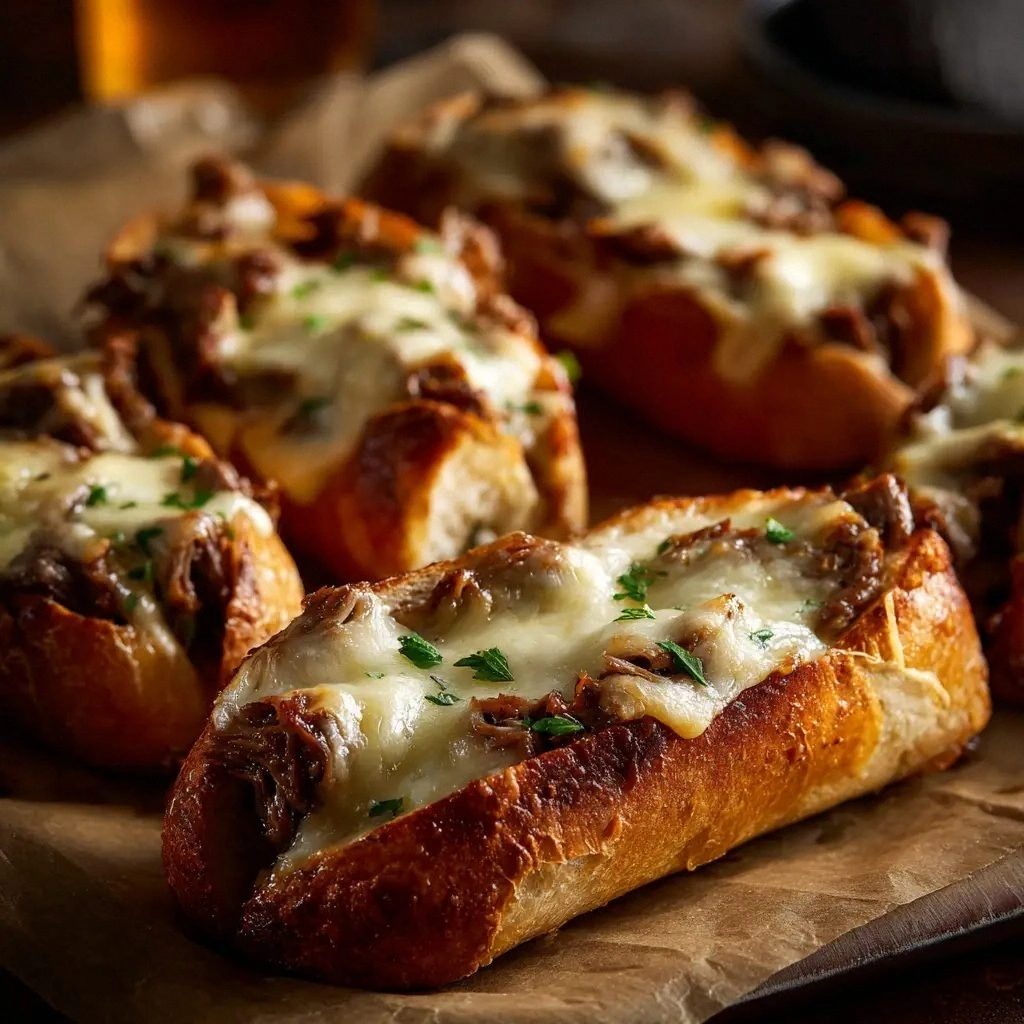
Picture this: it’s a Friday night, the kitchen lights are dim, and you’ve just opened a bag of that cheap, pre‑sliced French bread that you thought would make a quick sandwich. You’re in a rush, you’re craving something meaty, and you hear a sizzling sound that makes your stomach growl louder than the music blasting from the living room. That moment, that tiny kitchen disaster when the bread starts to burn before the steak even hits the pan, is what sparked the birth of the Philly Cheesesteak Stuffed Bre. It was a dare from a friend who swore he could never make a stuffed bread that was both crispy on the outside and melty on the inside. I was skeptical, but I had the ingredients on hand and a stubborn streak that would not let me quit until I tasted the first bite. If you’ve ever stared at a loaf of bread and thought, “I could do better,” this recipe will prove you’re not alone.
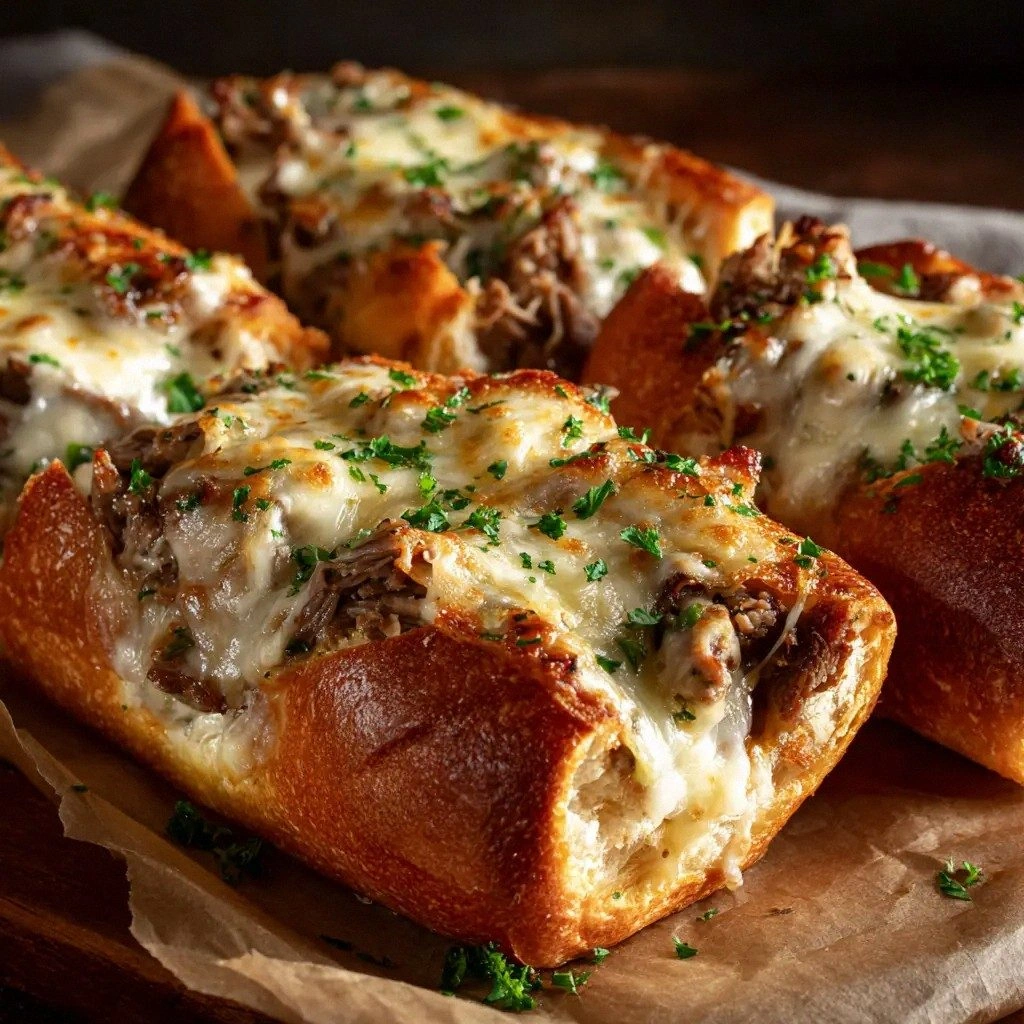
The aroma that fills the kitchen is a heady mix of sizzling ribeye, caramelized onions, and the buttery scent of melted provolone. The sound of the steak searing is a rhythmic drumbeat that keeps your pulse in sync with the heat of the skillet. The texture—crisp crust, tender steak, and gooey cheese—creates a symphony in your mouth, a contrast that feels like a well‑orchestrated dance. The flavor is bold yet balanced; the garlic powder gives a subtle kick, while the dried parsley adds a fresh finish that lifts the heaviness of the cheese. And the visual? Imagine a golden loaf split open to reveal a savory, steaming center that looks like it belongs in a Michelin‑star kitchen. I dare you to taste this and not go back for seconds.
What makes this version stand out is not just the combination of ingredients, but the meticulous way each element is handled. It’s a recipe that respects the integrity of the steak, the crunch of the bread, and the melt of the cheese, all while keeping the process approachable for anyone who has ever burned toast. The result is a party‑ready appetizer that feels like a gourmet indulgence, yet can be whipped up in under an hour. This is hands down the best version you'll ever make at home, and I promise you’ll wonder how you ever settled for store‑bought versions. The secret lies in the balance of textures, the timing of the fillings, and a few clever hacks that I’ll reveal along the way. Let me walk you through every single step—by the end, you'll wonder how you ever made it any other way.
What Makes This Version Stand Out
- Flavor: The combination of ribeye, provolone, and caramelized onions delivers a savory depth that feels like a steakhouse experience in your own kitchen. The garlic powder and parsley add layers of aroma without overpowering the main ingredients.
- Texture: The bread’s crust is buttery and crisp, while the inside is a molten, cheese‑laden haven that oozes with every bite. The contrast creates a satisfying crunch that shatters like thin ice.
- Simplicity: With just eleven ingredients, the recipe keeps the process straightforward, yet the outcome feels sophisticated.
- Uniqueness: Unlike traditional stuffed breads, this version uses ribeye for a richer flavor and provolone for a creamy, slightly sharp cheese profile.
- Crowd Reaction: Guests will immediately ask for the recipe; it’s the kind of dish that turns a casual gathering into a memorable event.
- Ingredient Quality: The recipe’s success hinges on using fresh, high‑quality steak and bread; the better the ingredients, the more pronounced the flavors.
- Cooking Method: The technique of searing the steak first, then layering everything before baking, ensures even cooking and perfect melting.
- Make‑Ahead Potential: You can prepare the bread and filling ahead of time, then bake just before serving, making it ideal for parties.
Alright, let's break down exactly what goes into this masterpiece…
Inside the Ingredient List
The Flavor Base
1 lb ribeye steak is the heart of this dish. It brings a robust, beefy flavor that’s unmistakably Philly. If you’re short on ribeye, a sirloin cut will work, but the fat marbling in ribeye is what gives the dish its luscious mouthfeel. The steak also provides a juicy contrast to the crispy bread, creating a dynamic bite.
1 large yellow onion is the sweet counterpoint to the savory steak. When sliced thin and caramelized, it releases sugars that caramelize into a golden glaze, adding depth and a hint of sweetness that balances the richness. Skipping the onion will leave the dish feeling flat; the onion is essential for that signature Philly flavor profile.
1 large green bell pepper adds color, crunch, and a mild vegetal note that lightens the heaviness of the steak and cheese. If you’re allergic to bell peppers or simply prefer a different color, a red or orange pepper will work, but the green pepper’s subtle bitterness is part of the classic flavor. The pepper also contributes a fresh burst when you bite into the stuffed bread.
The Texture Crew
1 large loaf of French bread is the canvas. The crust needs to be sturdy enough to hold the filling yet thin enough to toast to a golden crisp. If you can’t find French bread, a baguette or a hearty sourdough will do; just ensure it’s sliced to accommodate the filling.
8 slices provolone cheese are the creamy, melty component that ties everything together. Provolone’s mild, slightly nutty flavor melts beautifully, creating a gooey center that’s irresistible. If provolone is unavailable, mozzarella or a blend of cheddar and mozzarella can substitute, though the flavor profile will shift slightly.
The Unexpected Star
4 tbsp butter, melted, adds richness and helps crisp the bread’s exterior. Butter’s fat content ensures a golden crust that’s both flavorful and visually appealing. If you’re lactose intolerant, a splash of olive oil can replace butter, but the buttery finish will be less pronounced.
2 tbsp olive oil is used for searing the steak and sautéing the onions and peppers. Olive oil’s high smoke point and subtle fruity note complement the beef without overpowering it. A light, neutral oil can be used as a substitute, but olive oil adds a layer of Mediterranean depth.
The Final Flourish
1 tsp garlic powder, 1 tsp dried parsley, 1 tsp salt, and 1/2 tsp black pepper are the seasoning trio that brings harmony to the dish. Garlic powder gives a subtle, consistent flavor throughout, while dried parsley adds a bright, herbal note that cuts through the richness. Salt and pepper are essential for bringing all the flavors together and ensuring the dish isn’t flat.
Everything's prepped? Good. Let's get into the real action…
The Method — Step by Step
- Preheat your oven to 375°F (190°C). While the oven heats, slice the French bread lengthwise, leaving a hinge on one side so it stays closed. This opening will allow you to pack in the steak and cheese without tearing the loaf. The bread should be thick enough to hold the filling but thin enough to toast evenly.
- Pat the steak dry with paper towels. Season both sides with a pinch of salt and pepper. This step is crucial; a dry surface ensures a good sear, while the seasoning brings the steak to life before it meets the onions.
- Heat the olive oil in a large skillet over medium‑high heat. Add the steak and sear for 2–3 minutes per side until a crust forms. The steak should be browned but still slightly pink inside, as it will finish cooking in the oven. This searing step locks in juices and adds a caramelized flavor.
- Remove the steak from the skillet and set aside. In the same skillet, add the butter and let it melt, then toss in the sliced onions and bell pepper. Cook for 5–7 minutes, stirring occasionally, until the vegetables soften and develop a golden glaze. The onions’ sweetness will contrast beautifully with the steak’s savoriness.
- Slice the seared steak into thin strips. This allows it to mingle with the onions and peppers, distributing flavor throughout the bread. If you prefer a chunkier bite, keep the steak in larger pieces, but thin strips ensure even heat distribution.
- In a large bowl, combine the steak strips, sautéed onions and peppers, garlic powder, dried parsley, salt, and black pepper. Mix thoroughly so every bite has a balanced flavor profile. The seasoning should coat the steak and vegetables evenly.
- Open the bread loaf and spread a generous amount of the steak mixture evenly inside. Press the mixture down to fill the cavity, creating a uniform layer. This ensures each slice of bread will have the same deliciousness.
- Layer the provolone slices on top of the steak mixture. The cheese should cover the filling completely, sealing the bread and creating a molten center when baked. If you prefer a stronger cheese flavor, add an extra slice or two.
- Close the bread loaf and place it on a baking sheet lined with parchment paper. Bake in the preheated oven for 15–20 minutes, or until the cheese is bubbly and the crust turns a golden brown. The baking time may vary slightly depending on your oven, so keep an eye on the crust.
- Once baked, let the stuffed bread rest for 3–5 minutes before slicing. This rest period allows the cheese to set slightly, preventing a gooey mess when you cut into it. Serve warm for the best flavor experience.
That's it — you did it. But hold on, I've got a few more tricks that'll take this to another level…
Insider Tricks for Flawless Results
The Temperature Rule Nobody Follows
Many people bake stuffed breads at too high a temperature, causing the crust to burn before the cheese melts. Keep the oven at 375°F (190°C) for even heat distribution. This lower temperature allows the cheese to melt thoroughly while the bread crisps to a perfect golden brown. If your oven tends to run hot, set it 25°F lower and add a timer to monitor the baking.
Why Your Nose Knows Best
When the onions and peppers begin to caramelize, they’ll emit a sweet, nutty aroma that signals the perfect moment to add the steak. Trust your nose; this scent indicates that the vegetables have released enough sugars to balance the beef’s richness. If you miss this step, the dish can feel flat or overly greasy.
The 5‑Minute Rest That Changes Everything
After baking, let the stuffed bread rest for 5 minutes. This brief pause allows the cheese to set, preventing a gooey mess when you cut into the center. It also lets the flavors meld, creating a cohesive taste profile. I’ve seen people cut immediately and end up with cheese spilling everywhere—don’t let that happen.
Layering Technique for Even Melting
Place the cheese slices on top of the steak mixture in a single layer, not overlapping. Overlap can cause uneven melting and pockets of cold cheese that stay firm. If you prefer a thicker cheese layer, add a second thin layer and press gently to ensure it stays in place.
Using a Loaf with a Slightly Angled Cut
Cut the loaf at a slight angle before stuffing. This gives a larger opening, making it easier to pack the filling without tearing the bread. The angled cut also provides a more aesthetically pleasing slice, revealing a beautiful, molten center.
The One‑Minute Sear Trick
Sear the steak for exactly one minute per side before adding the onions. This creates a quick caramelization that locks in juices and adds depth without overcooking. The quick sear also reduces the cooking time in the oven, keeping the bread crisp.
Creative Twists and Variations
This recipe is a playground. Here are some of my favorite ways to switch things up:
Cheese Swap Challenge
Swap provolone for smoked Gouda or pepper jack for a spicy kick. The smoky flavor of Gouda adds depth, while pepper jack introduces heat that pairs wonderfully with the beef. Keep the cheese slices thin to maintain even melting.
Veggie Power Boost
Add sautéed mushrooms or spinach to the filling for an extra layer of umami and color. Mushrooms bring a meaty texture, while spinach adds a subtle earthiness. Just sauté them with the onions and peppers for an extra minute.
Herb Explosion
Incorporate fresh herbs like basil or thyme into the steak mixture. Fresh herbs release their aroma when heated, giving the bread a fragrant, garden‑fresh finish. Add them after the onions are caramelized to preserve their bright flavor.
Spicy Kick
Add a handful of crushed red pepper flakes or a sliced jalapeño to the filling. The heat will contrast the richness of the beef and cheese, creating a balanced flavor profile. Be cautious with jalapeño if you’re serving guests with varying spice tolerances.
Gluten‑Free Option
Use a gluten‑free bread or a sturdy baguette made with a gluten‑free blend. Ensure the loaf is sturdy enough to hold the filling. The flavor will remain the same, but the texture may differ slightly.
Breakfast Twist
Replace ribeye with breakfast sausage and add a splash of maple syrup to the steak mixture. The sweet and savory combo turns the stuffed bread into a hearty breakfast or brunch item. Top with a fried egg for an extra protein boost.
Storing and Bringing It Back to Life
Fridge Storage
Store the prepared stuffed bread in an airtight container in the refrigerator for up to 2 days. Wrap it tightly with plastic wrap before placing it in the container to keep the crust from becoming soggy. When ready to serve, reheat it in a preheated oven at 350°F (175°C) for 10 minutes.
Freezer Friendly
Wrap the stuffed bread tightly in aluminum foil, then place it in a freezer bag. It will keep for up to 3 months. To thaw, let it sit at room temperature for 2–3 hours, then bake at 350°F (175°C) for 15 minutes until the cheese is bubbly.
Best Reheating Method
Add a tiny splash of water to the bottom of the baking sheet before reheating. The steam will help restore moisture to the bread and prevent it from drying out. Reheat at 350°F (175°C) for 8–10 minutes, or until heated through.