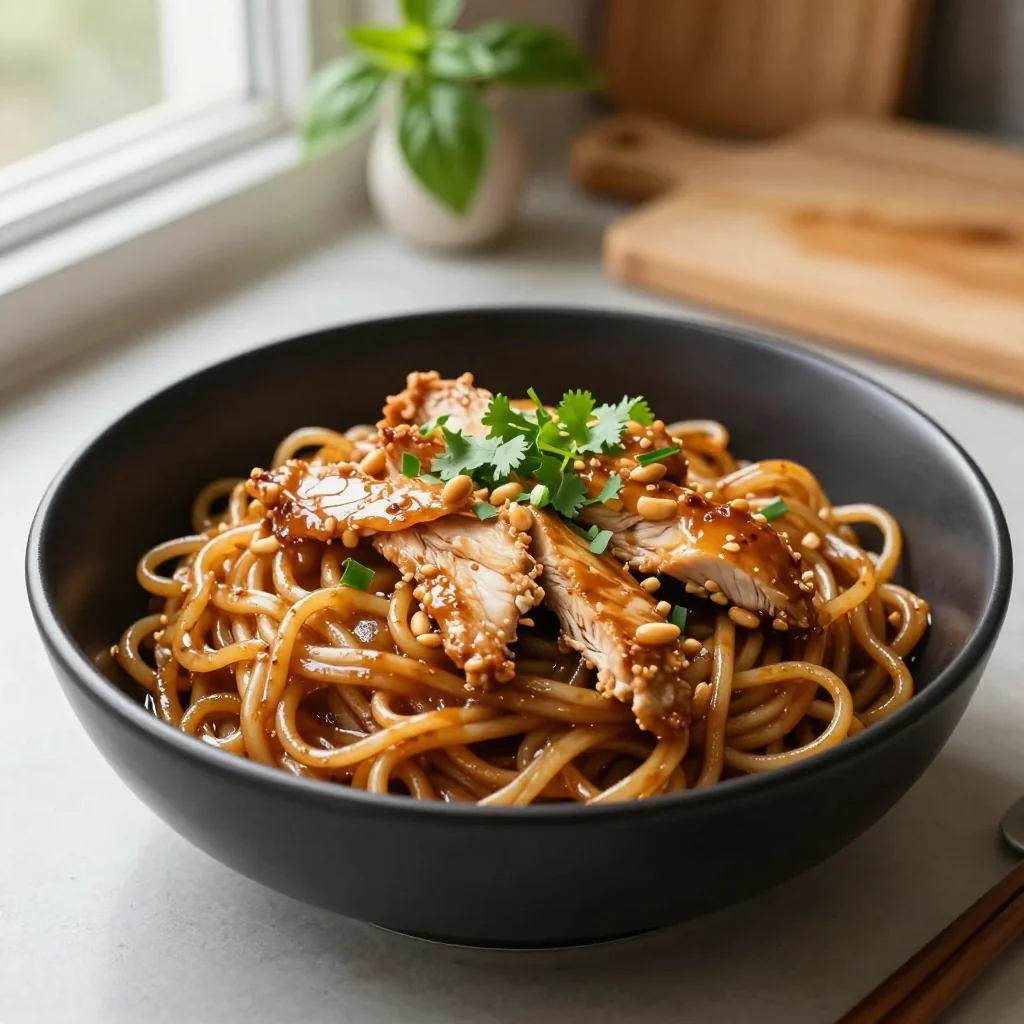
A vibrant, creamy noodle bowl that brings the bold flavors of Thailand straight to your kitchen.
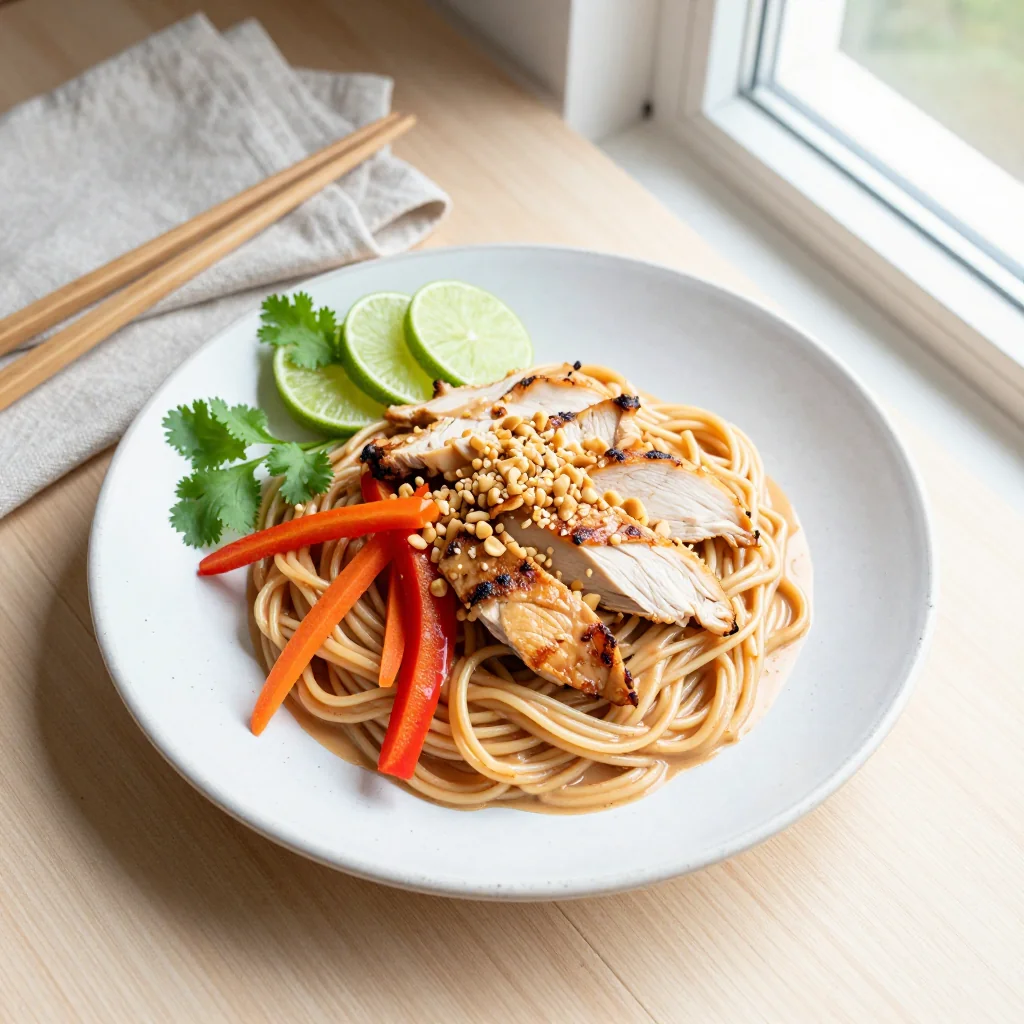
I still remember the first time I tasted a street‑food stall in Bangkok, the air thick with the scent of sizzling ginger, garlic, and peanuts. The chef tossed rice noodles into a wok, drizzled a glossy, nutty sauce over them, and added tender strips of chicken that seemed to melt in my mouth. That moment sparked a lifelong love affair with Thai flavors, and every time I try to recreate that magic at home, I’m transported back to that bustling night market.
Thai Peanut Noodles are a beloved staple across Southeast Asia, celebrated for their perfect balance of sweet, salty, tangy, and spicy notes. While the traditional version often uses shrimp or tofu, I’ve found that chicken pairs beautifully with the creamy peanut sauce, offering a hearty protein that absorbs the flavors without overwhelming the delicate noodles.
In this article, you’ll discover how to master the sauce’s silky texture, how to achieve that ideal “al dente” bite for the noodles, and why a few simple tricks—like toasting peanuts and using fresh lime juice—make all the difference. By the end, you’ll be confident enough to serve this dish at family dinners, casual gatherings, or even a cozy solo dinner after a long day.
I’m thrilled to share every nuance, tip, and variation that I’ve gathered over the years. Let’s dive in and bring a taste of Thailand to your table!
🌟 Why This Recipe Will Win Your Heart
From the first forkful to the lingering aftertaste, this dish offers a symphony of flavors and textures that keep you coming back for more.
- ✨ Bold, Balanced Flavors: The sauce blends creamy peanut butter, bright lime, and a hint of heat, creating a harmonious taste profile that satisfies sweet, salty, sour, and spicy cravings.
- ✨ Quick Weeknight Solution: With a total time of just 35 minutes, you can serve a restaurant‑quality meal on a busy Tuesday without sacrificing flavor.
- ✨ Nutrient‑Rich Ingredients: Rice noodles provide a gluten‑free carbohydrate base, while chicken adds lean protein and peanuts contribute healthy fats and a dose of plant‑based protein.
- ✨ Customizable Heat Level: Adjust the chili flakes or add fresh Thai bird’s eye chilies to dial the spice up or down to suit any palate.
- ✨ Visual Appeal: Vibrant green onions, toasted peanuts, and a squeeze of lime create a colorful plate that looks as good as it tastes.
- ✨ Perfect for Meal Prep: The sauce stores well, allowing you to prep a batch in advance and assemble fresh noodles whenever you need a fast, satisfying lunch.
🥗 Ingredients
📝 Complete Ingredient List
For the Noodles & Chicken:
- 250 g rice noodles
- 2 boneless skinless chicken breasts, sliced thin
- 1 tbsp sesame oil
- 1 tbsp vegetable oil
For the Peanut Sauce:
- 3 tbsp creamy peanut butter
- 2 tbsp low‑sodium soy sauce
- 1 tbsp fresh lime juice
- 1 tbsp honey
- 1 tsp grated ginger
- 1 garlic clove, minced
- ½ tsp chili flakes (adjust to taste)
For Garnish:
- 2 green onions, sliced
- 1 tbsp fresh cilantro, chopped
- 1 tbsp toasted peanuts, crushed
- 1 lime wedge, for serving
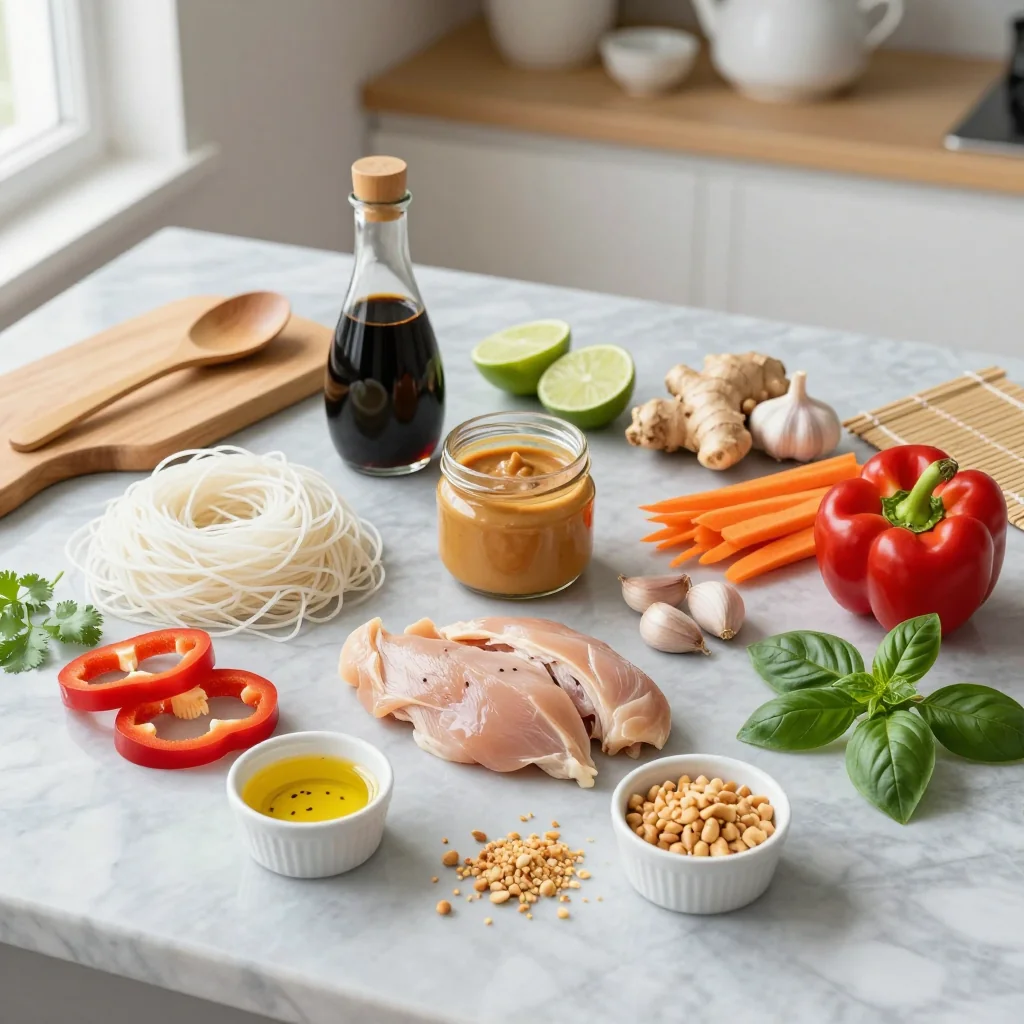
🔍 Focus on Key Ingredients
Rice Noodles
Rice noodles are the backbone of this dish, providing a light, slightly chewy texture that soaks up the sauce beautifully. Choose the thin “vermicelli” style for a more delicate bite, or opt for wider flat noodles if you prefer a heartier mouthfeel. Rinse them in cold water after cooking to stop the cooking process and keep them from sticking together.
Creamy Peanut Butter
The peanut butter gives the sauce its luxurious body and nutty depth. Use a natural, unsweetened variety to avoid unwanted sugar and oil separation. If the butter feels too thick, whisk in a splash of warm water before mixing it with the other sauce components.
Fresh Lime Juice
Lime juice brightens the sauce, cutting through the richness of the peanuts and balancing the soy sauce’s saltiness. Always squeeze the lime just before using it; the aroma fades quickly, and the flavor is most vibrant when fresh.
🔄 Quick Substitutions
| If you don’t have… | Use instead… |
|---|---|
| Rice noodles | Soba noodles (gluten‑free if made from buckwheat) |
| Peanut butter | Almond butter or cashew butter |
| Chicken | Firm tofu, pressed and cubed |
👨🍳 Step‑by‑Step Instructions
Follow these detailed steps to create a restaurant‑quality bowl of Thai Peanut Noodles with Chicken, from prep to plating.
📋 Phase 1: Preparation & Mise en Place
Gather, measure, and prep all components before you start cooking.
Prepare the Rice Noodles
Bring a large pot of water to a gentle boil. Add the rice noodles and stir occasionally for 4–5 minutes, or until they are just tender but still have a slight bite. Drain the noodles in a colander, rinse under cold running water for 30 seconds, and set aside in a large bowl. This rinsing step stops the cooking process and prevents the noodles from becoming gummy later.
Slice the Chicken
Pat the chicken breasts dry with paper towels. Slice them into thin strips, about ½‑inch wide, ensuring they cook quickly and evenly. Season lightly with a pinch of salt and pepper.
🔥 Phase 2: Cooking & Assembly
Cook the protein, create the sauce, and bring everything together.
Cook the Chicken
Heat the vegetable oil in a large wok or skillet over medium‑high heat. Add the sliced chicken in a single layer, letting it sizzle without stirring for 1 minute. Then stir‑fry for another 3–4 minutes until the pieces are golden brown and cooked through. Transfer the cooked chicken to a plate and keep warm.
Make the Peanut Sauce
In the same wok, reduce the heat to medium. Add the remaining sesame oil, then stir in the minced garlic and grated ginger. Cook for 30 seconds until fragrant, being careful not to burn. Add the peanut butter, soy sauce, lime juice, honey, and chili flakes. Whisk continuously, adding a splash (≈2 tbsp) of warm water to achieve a smooth, pourable consistency. The sauce should coat the back of a spoon without clumping.
Combine Noodles, Chicken, and Sauce
Add the cooled rice noodles to the wok, tossing them gently to coat with the sauce. Return the cooked chicken to the pan, mixing everything together for another 1–2 minutes so the flavors meld. The noodles should glisten with the sauce, and the chicken should be evenly distributed.
✨ Phase 3: Finishing Touches & Plating
Add the final garnishes and serve.
Check for Seasoning
Taste a noodle strand. If you desire more salt, add a splash of soy sauce; for extra brightness, squeeze a few drops of fresh lime juice. Adjust the heat by sprinkling additional chili flakes if you like it spicier.
Plate the Noodles
Divide the noodle mixture among four shallow bowls. Sprinkle sliced green onions, chopped cilantro, and crushed toasted peanuts over each serving. Add a lime wedge on the side for an extra burst of citrus at the table.
Serve Immediately
Thai Peanut Noodles are best enjoyed while warm, allowing the sauce to cling to the noodles and the aromatics to stay fragrant. Pair with a crisp white wine or a chilled Thai iced tea for a complete experience.
💡 Expert Tips & Tricks
🛒 Choosing the Right Ingredients
When selecting rice noodles, look for those labeled “fresh” or “pre‑soaked” if you’re short on time; they require less cooking. For the chicken, opt for organic, free‑range breasts that retain moisture. Fresh ginger should be firm and aromatic, while limes should feel heavy for their size, indicating juiciness. Finally, choose a peanut butter without added sugars or hydrogenated oils to keep the sauce pure.
🔪 Preparation Techniques
Slice the chicken against the grain for tenderness. Use a sharp chef’s knife to mince garlic and ginger finely; this releases essential oils that infuse the sauce. When toasting peanuts, keep them in a dry skillet over medium heat, shaking frequently to avoid burning. A quick toast adds a smoky depth that elevates the dish.
🌡️ Mastering the Cooking Process
Maintain a high enough heat to sear the chicken, but not so high that the oil smokes. The sauce should never boil vigorously; a gentle simmer keeps the peanut butter from separating. If the sauce thickens too much, thin it with warm water, a teaspoon at a time, until you achieve a silky coating.
🍽️ Presentation & Service
Serve the noodles in wide, shallow bowls to showcase the glossy sauce and colorful garnishes. Sprinkle the crushed peanuts just before serving to preserve their crunch. A final drizzle of lime juice and a few extra cilantro leaves add a pop of color that makes the dish Instagram‑ready.
🏆 Pro Tips
Elevate your noodle bowl from great to extraordinary with these professional insights.
- 🎯 Balance the Sweet‑Sour Ratio: The key to a perfect Thai sauce is the equilibrium between sweet honey and sour lime. Start with the listed amounts, then taste and adjust in ½‑teaspoon increments. Too much lime will make the sauce sharp; too much honey will mask the savory notes.
- 🎯 Control the Heat with Layered Spice: Add chili flakes early for a uniform heat, then finish with a few fresh sliced bird’s eye chilies for bursts of spiciness that hit the palate later.
- 🎯 Use a Double‑Boiler for Peanut Butter: If your peanut butter is especially thick, melt it gently over simmering water before mixing it into the sauce. This prevents clumping and ensures a smooth texture.
- 🎯 Rest the Sauce Before Mixing: Let the sauce sit for 5 minutes after whisking. This allows the flavors to meld, and the sauce will thicken slightly, making it easier to coat the noodles evenly.
- 🎯 Toast the Noodles Lightly: After rinsing, toss the noodles quickly in a hot, dry skillet for 30 seconds. This adds a subtle toasted flavor that complements the peanut sauce.
- 🎯 Finish with a Splash of Coconut Milk: For a richer mouthfeel, stir in 1‑2 tbsp of coconut milk at the end of cooking. It adds a silky gloss without overpowering the core flavors.
"The secret to great Thai food is balance – every bite should sing with sweet, sour, salty, and spicy notes." — Chef David Thompson
🔄 Variations & Adaptations
This recipe is a versatile canvas; feel free to experiment with proteins, flavors, and dietary needs.
🥬 Vegetarian / Vegan Version
Replace the chicken with firm tofu or tempeh for a plant‑based protein. Press the tofu to remove excess moisture, then cut into cubes and pan‑fry until golden. Use a vegan honey substitute such as agave syrup, and ensure the soy sauce is gluten‑free if needed.
- Tofu substitution: 400 g firm tofu, pressed and cubed
- Vegan sweetener: 1 tbsp agave syrup
🌶️ Flavor Variations
Adjust the flavor profile to match your cravings or the season.
Spicy Version:
Increase chili flakes to 1 tsp and add 1‑2 sliced fresh Thai bird’s eye chilies. Finish with a drizzle of sriracha for an extra kick.
Mediterranean Twist:
Swap peanut butter for tahini, use lemon juice instead of lime, and garnish with toasted pine nuts and fresh oregano. This creates a fusion that bridges Thai and Mediterranean palettes.
Classic Asian Style:
Replace lime juice with rice vinegar, add a splash of fish sauce, and garnish with shredded carrots and sliced cucumber for a refreshing crunch.
⚠️ Dietary Adaptations
Gluten‑Free:
Use tamari or gluten‑free soy sauce and ensure the noodles are certified gluten‑free.
Lactose‑Free:
All ingredients are naturally lactose‑free; just verify that the peanut butter contains no added dairy.
Low‑Calorie:
Reduce the oil to ½ tbsp, substitute half the chicken with extra vegetables (like shredded carrots and bell peppers), and use a light peanut butter or almond butter to cut calories.
👶 Kid‑Friendly Version
For younger palates, decrease the chili flakes or omit them entirely. Add a touch more honey for sweetness and serve with a side of steamed broccoli or edamame for extra nutrition.
📦 Storage & Reheating
🧊 Conservation
Refrigerator:
- Duration: 3 days
- Recommended container: airtight glass or BPA‑free plastic
- Tip: Store sauce separately from noodles to maintain texture.
Freezer:
- Duration: 2 months
- Method: Portion sauce in freezer‑safe bags; freeze noodles on a tray, then transfer to a bag.
- Defrosting: Thaw overnight in the fridge, then reheat gently on the stove.
💡 For best texture, re‑cook the noodles briefly in hot water before mixing with the reheated sauce.
♨️ Reheating
🔥 Oven (Recommended):
- Preheat to 180 °C (350 °F).
- Cover the dish with aluminum foil to retain moisture.
- Heat for 10 minutes.
- Remove foil, stir, and heat an additional 5 minutes until steaming.
⚡ Microwave (Quick):
- Place noodles and sauce in a microwave‑safe bowl, cover with a microwave‑safe lid.
- Heat on medium power for 2 minutes, stir, then continue in 30‑second bursts.
- Stir again and check for even heating.
🍳 Stovetop:
Combine noodles and sauce in a skillet over medium heat, adding a splash of water if needed. Stir continuously for 3‑4 minutes until heated through.
🍷 Perfect Pairings
🥗 Side Dishes
- Thai Cucumber Salad: A crisp, tangy salad with rice vinegar, sugar, and fresh herbs balances the richness of the noodles.
- Steamed Edamame: Lightly salted edamame adds protein and a satisfying pop.
- Pickled Carrots & Daikon: Their acidity cuts through the creamy sauce and refreshes the palate.
🍷 Wine & Beverage
- Riesling (off‑dry): Its slight sweetness mirrors the honey in the sauce while its acidity matches the lime.
- Sauvignon Blanc: Bright citrus notes complement the lime and enhance the herbal garnish.
- Non‑alcoholic: Thai iced tea with a splash of coconut milk offers a sweet, creamy contrast.
🍰 To Complete the Meal
Start with a light miso soup or spring rolls, then move to the noodle bowl. Finish with a tropical dessert such as mango sticky rice or a coconut‑lime panna cotta for a harmonious end to the Thai‑inspired feast.
❓ Frequently Asked Questions
Q: Can I use whole‑wheat noodles instead of rice noodles?
A: Yes, you can substitute whole‑wheat spaghetti or linguine, but be aware that the flavor profile will shift slightly toward a nuttier, earthier taste. Cook the wheat noodles a minute less than the package recommends to keep them from becoming too soft when mixed with the sauce.
Q: How do I make the sauce less spicy?
A: Reduce the chili flakes to ¼ tsp or omit them entirely. You can also add a little extra honey or a splash of coconut milk to mellow the heat without compromising the sauce’s consistency.
Q: My sauce separated during cooking—what went wrong?
A: Separation usually occurs when the heat is too high or the peanut butter is added too quickly. Keep the heat at a gentle simmer, whisk continuously, and add warm water gradually. If the sauce still looks grainy, blend it with an immersion blender for a smoother texture.
Q: Can I prepare the sauce ahead of time?
A: Absolutely. Store the sauce in an airtight container in the refrigerator for up to three days. Before using, whisk it vigorously or add a splash of warm water to restore its silky consistency.
Q: I’m allergic to peanuts—what can I use instead?
A: Swap the peanut butter for almond butter, cashew butter, or sunflower seed butter. Each provides a creamy base, though the flavor will be slightly different; you may want to add a pinch of toasted sesame seeds for extra depth.
Q: How can I make this dish suitable for a low‑sodium diet?
A: Use low‑sodium or reduced‑salt soy sauce, and limit added salt when seasoning the chicken. You can also increase the amount of lime juice and fresh herbs to boost flavor without relying on salt.
🎉 Let’s Get Cooking!
Thai Peanut Noodles with Chicken bring together the excitement of street‑food flavors and the comfort of a home‑cooked meal. With a silky sauce, perfectly cooked noodles, and a burst of fresh herbs, every bite is a celebration of balance and texture. Whether you’re feeding a family, impressing guests, or preparing a quick weekday dinner, this recipe delivers bold taste without demanding hours in the kitchen.
Give it a try, experiment with the variations, and share your personal twists. I can’t wait to see your beautiful plates, hear about any adjustments you made, and read about how this dish fits into your culinary routine. Your feedback helps the community grow, so leave a comment, rate the recipe, and let’s keep the conversation going!
Have you tried this recipe?
Leave a comment and rating below! Share your photos on Instagram with #ThaiPeanutNoodles for a chance to be featured.
Thai Peanut Noodles with Chicken
A creamy, spicy noodle bowl that brings Thai street‑food vibes to your dinner table.
📝 Ingredients
Noodles & Chicken
Peanut Sauce
Garnish
👨🍳 Instructions
- 1
Boil the rice noodles for 4–5 minutes, rinse under cold water, and set aside.
- 2
Slice the chicken breasts thinly, season lightly, and set aside.
- 3
Heat vegetable oil in a wok, sear the chicken until golden, then remove.
- 4
In the same wok, sauté garlic and ginger, then whisk in peanut butter, soy sauce, lime juice, honey, and chili flakes. Add warm water to achieve a smooth sauce.
- 5
Add the noodles and chicken back to the wok, tossing to coat evenly.
- 6
Adjust seasoning with extra lime or soy sauce as needed.
- 7
Plate the noodles, garnish with green onions, cilantro, peanuts, and a lime wedge.
- 8
Serve immediately with your choice of side dish or beverage.
- 9
Store leftovers in separate containers for sauce and noodles.
- 10
Reheat using the recommended methods and enjoy again!
🥗 Nutrition (per serving)
*Nutrition facts are estimates based on standard ingredient values.
📚 You Might Also Like

Spicy Shrimp Pad Thai

Vietnamese Lemongrass Beef Noodles

Mango Coconut Curry




💬 Comments & Reviews
Leave a Comment
Comments will appear here once readers start sharing their thoughts.