Picture this: a frantic Sunday afternoon, a pot of pasta boiling over, and a pan of shrimp sizzling like a tiny disco. I was halfway through a bland stir‑fry when a friend dared me to turn that chaos into a gourmet masterpiece. The challenge was simple—make a one‑pan meal that’s both bright and bold, and finish before the clock hits 8 pm. I laughed, because I knew I’d already tasted this exact combination on a beach trip, but I was determined to beat that memory. So I grabbed a skillet, a lemon, and a handful of garlic and let the adventure begin.
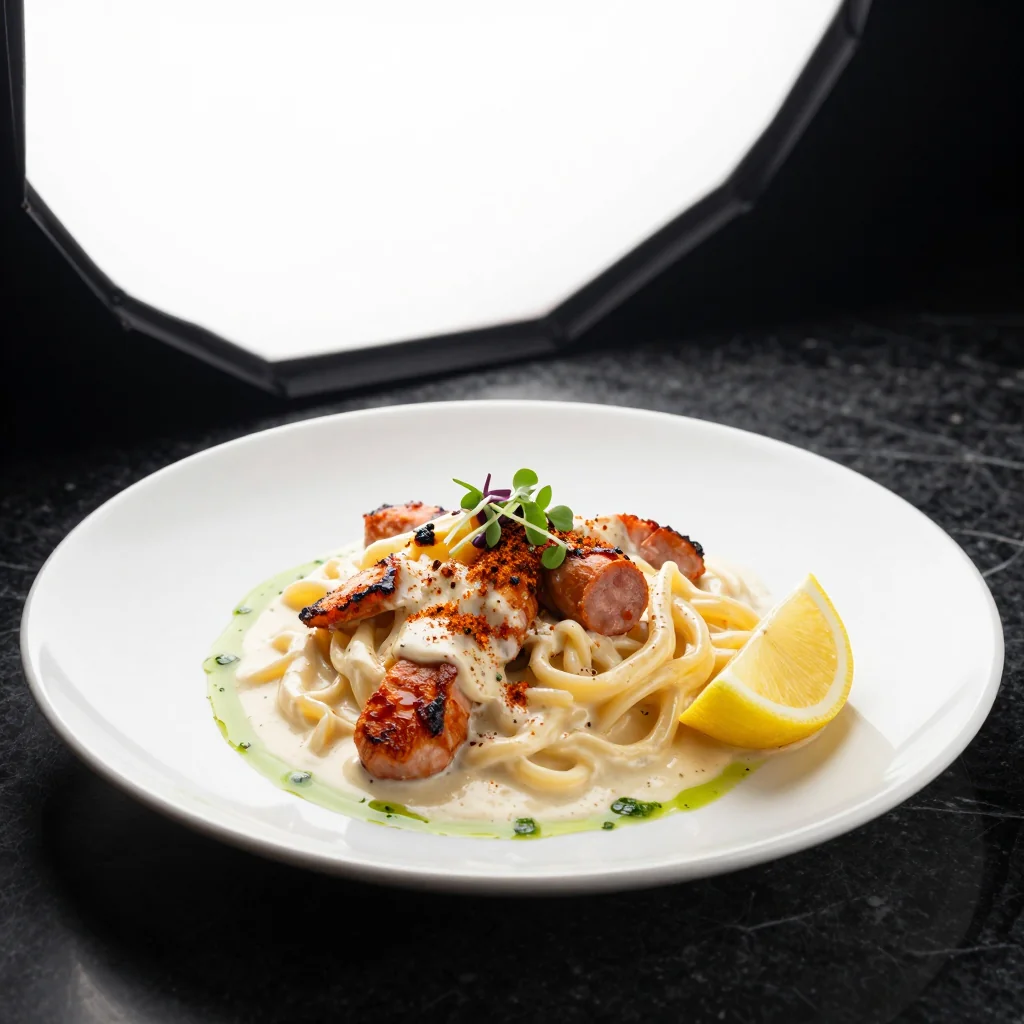
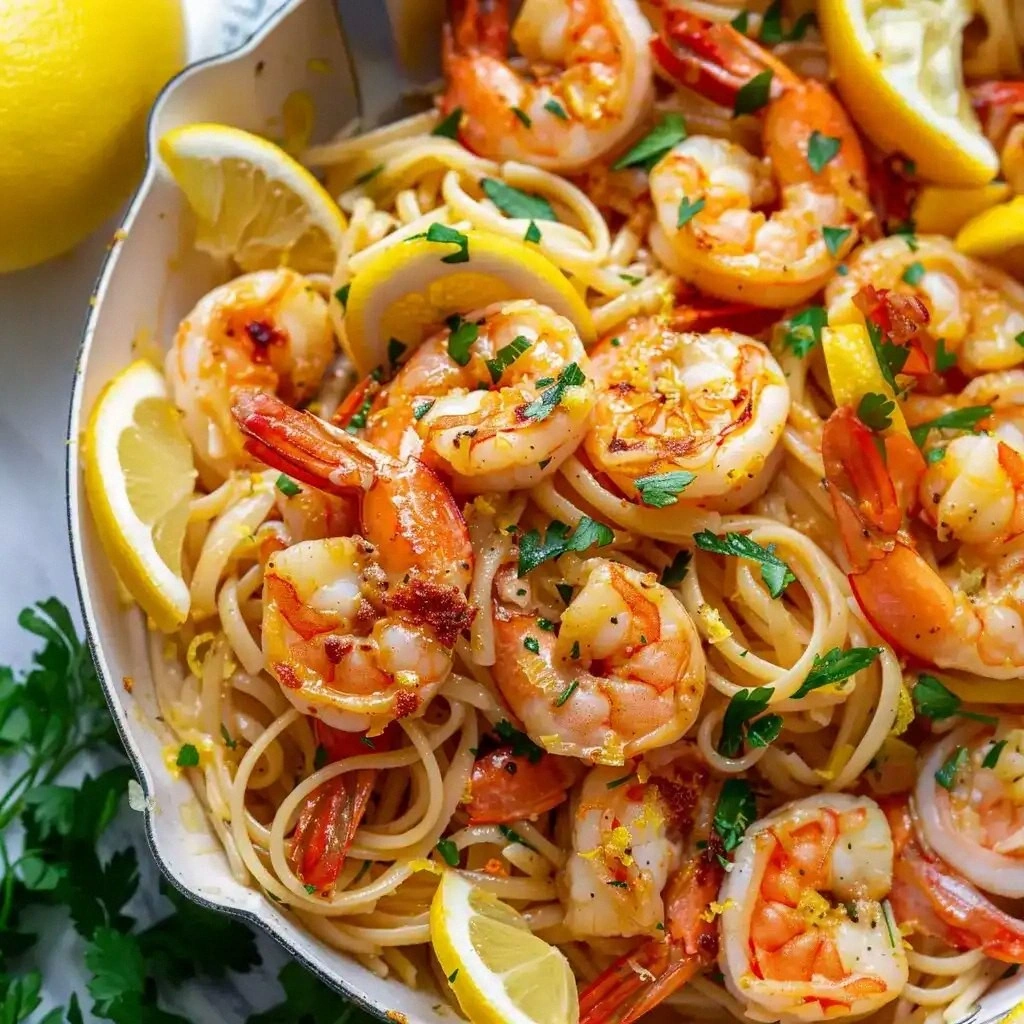
First thing you notice is the aroma—zesty lemon mingles with roasted garlic, and the faint scent of butter wafts through the kitchen like a promise. The sound is a rhythmic sizzle, the kind that makes your ears tingle with anticipation. The color is a vibrant amber, the shrimp turning a rosy pink as they cook, while the pasta glistens with a glossy sheen. You can almost taste the brine on your tongue before you even take a bite. And the texture—each strand of linguine is perfectly al dente, coated in a silky sauce that clings like a second skin.
Unlike the usual over‑seasoned shrimp dishes that drown in excess oil, this recipe balances flavors with surgical precision. The lemon isn’t just a garnish; it’s the backbone, brightening every bite and cutting through the richness of butter. The garlic is minced so finely that it releases a punchy aroma without the bitterness of over‑cooked cloves. The result? A dish that feels both indulgent and fresh, like a summer breeze in a bowl. And best of all, it’s a one‑pan wonder—no extra pots, no cleanup, just pure culinary joy.
One of the secret weapons in this recipe is the subtle use of red pepper flakes—just a pinch that gives the dish a gentle heat that lingers without overwhelming the citrus. Another twist is the final flourish of freshly chopped parsley, which adds a pop of color and a whisper of herbal freshness that lifts the entire plate. I’ve experimented with different pasta shapes, but linguine is the sweet spot; its long ribbons hold the sauce like a lover’s embrace. The combination of olive oil and butter creates a silky medium that carries the flavors and gives the shrimp a buttery glaze. Together, they create a sauce that coats the pasta like velvet and lets each bite explode with flavor.
Picture yourself pulling this out of the pan, the whole kitchen smelling incredible, and your guests already lining up for seconds. I dare you to taste this and not go back for seconds, because it’s that good. If you’ve ever struggled with a dish that feels too heavy or too bland, you’re not alone, and I’ve got the fix. And now, let’s dive into every single step—by the end, you’ll wonder how you ever made it any other way. Trust me, the payoff is worth every minute of prep.
Before we get into the cooking, let’s talk about the ingredients that make this dish sing. Fresh shrimp, preferably large and peeled, bring that sweet, briny bite that pairs perfectly with citrus. The garlic, on the other hand, is the backbone of the sauce; its mellowed flavor is the glue that holds everything together. The lemon is the star—its juice and zest bring brightness and depth, turning a simple pasta into a celebration. Olive oil and butter work together to create a silky base that coats every strand of linguine. Finally, fresh parsley and Parmesan add that final burst of color and umami that turns the dish from good to unforgettable.
I’ve tried this recipe in different settings—from a quick weekday dinner to a weekend brunch for friends—and it always lands. The best part? It’s so simple that even a novice can nail it, yet it’s sophisticated enough to impress a food critic. The key is timing; the shrimp should finish just as the pasta is al dente, so the flavors meld perfectly. And remember, the sauce should be glossy, not watery—if it looks thin, add a splash of pasta water. With these little tweaks, you’ll have a dish that’s consistently stellar.
So grab your skillet, your favorite shrimp, and let’s bring this zesty, garlicky, buttery masterpiece to life. The result will be a plate that looks like it belongs on a Michelin‑star menu, but is so easy to make that you’ll feel like a kitchen wizard. Ready to wow your taste buds? Let’s get cooking, because the next few minutes are going to be pure magic. I promise, you’ll be reaching for the recipe card before the first bite even lands on your plate. And trust me, the next time you hear someone say, “I don’t know how to cook shrimp,” you’ll have the perfect answer.
What Makes This Version Stand Out
- Flavor: This dish delivers a bright citrus punch that cuts through the richness of butter and shrimp, leaving a clean finish that lingers on the palate.
- Texture: The pasta is al dente, coated in a silky sauce that clings to every strand like a second skin, while the shrimp remain juicy and tender.
- Simplicity: All ingredients are cooked in a single pan, reducing cleanup to a fraction of the usual effort and making it a go‑to for busy weeknights.
- Ingredient Quality: Fresh shrimp, hand‑picked lemons, and real butter elevate the dish beyond a standard take‑out copy, showcasing the difference that quality makes.
- Versatility: Swap linguine for fettuccine, add a handful of spinach, or sprinkle chili flakes to create endless variations that keep the base fresh.
- Visual Appeal: The glossy amber sauce, pop of green parsley, and pink shrimp create a plate that looks as good as it tastes—perfect for Instagram or a dinner party.
- Make‑Ahead Potential: Cook the pasta ahead, chill the shrimp in a lemon‑butter glaze, and assemble in minutes, making this dish ideal for entertaining or meal prep.
Alright, let's break down exactly what goes into this masterpiece...
Inside the Ingredient List
The Flavor Base
At the heart of this dish is a simple yet powerful flavor base composed of olive oil, butter, garlic, and lemon. Olive oil provides a clean, fruity undertone that balances the buttery richness, while butter adds depth and a silky mouthfeel. Garlic, when minced finely, releases a gentle, sweet aroma that permeates the sauce without becoming overpowering. Lemon juice and zest inject a bright, acidic punch that cuts through the richness and elevates every bite. If you ever find the sauce too mellow, simply squeeze an extra half of a lemon into the pan.
The Texture Crew
Linguine or spaghetti is the ideal partner for this sauce because its long, flat strands hold sauce like a lover’s embrace. The pasta’s al dente bite provides a satisfying chew that contrasts with the tender shrimp. When cooking the pasta, reserve a cup of the starchy cooking water; this liquid will help bind the sauce and give it a silky consistency. If you’re short on time, pre‑cooked pasta works, but be sure to rinse it under cold water to stop the cooking process and keep it firm.
The Unexpected Star
Large shrimp, peeled and deveined, are the star of the show. Their sweet, briny flavor pairs perfectly with citrus and butter. When cooked just right, shrimp remain juicy and tender, not rubbery. If you prefer a different protein, scallops or shrimp‑like prawns can be swapped in, but the timing will shift slightly—watch the color change to avoid overcooking. For a vegetarian twist, replace shrimp with sautéed mushrooms or tofu; the sauce still shines.
The Final Flourish
Fresh parsley and grated Parmesan cheese add the final burst of color, freshness, and umami. Parsley’s bright green hue brightens the plate and its herbaceous note cuts through the richness of butter. Parmesan brings a nutty, salty depth that anchors the dish. Together, they create a harmonious balance that turns a simple pasta into a showstopper. If you’re vegan, try nutritional yeast for a cheesy flavor and a boost of B vitamins.
Everything's prepped? Good. Let's get into the real action...
The Method — Step by Step
- Bring a large pot of salted water to a rolling boil and add the linguine. Cook until the pasta is just shy of al dente, about 8–9 minutes for 8 oz of pasta. Drain, reserving a cup of the starchy water, and set aside. The pasta should be firm to the bite, not mushy. While the pasta cooks, you’ll be ready to start the sauce.
- Heat a large skillet over medium‑high heat and pour in the olive oil. Once the oil shimmers, add the butter and let it melt into a fragrant brown butter. The butter should turn a golden amber, not brown; this subtle color signals depth of flavor. Add the minced garlic and sauté until it’s translucent and aromatic, about 30 seconds. Be careful not to burn it; burnt garlic ruins the sauce.
- Introduce the shrimp to the skillet, seasoning them with salt, pepper, and red pepper flakes. Toss the shrimp so they’re coated in the buttery garlic mixture. As they cook, they’ll turn pink and opaque in a few minutes. Stir occasionally to ensure even cooking. The shrimp should finish just as the pasta is ready.
- Squeeze the juice of one lemon into the skillet, then zest the same lemon over the mixture. The zest releases essential oils that elevate the citrus flavor. Stir to combine, allowing the lemon to coat the shrimp and pasta. The sauce should smell bright and slightly floral. This is the moment where the dish transforms from ordinary to extraordinary.
- Add the reserved pasta water a splash at a time, stirring until the sauce reaches a silky consistency. The starch in the water helps bind the sauce to the pasta. Keep the heat low to prevent the sauce from boiling away. If the sauce looks thick, add more water; if it’s too thin, let it simmer until it reduces. The goal is a glossy, clingy coating.
- Fold in the chopped parsley and grated Parmesan, letting the cheese melt into the sauce. The parsley adds a fresh green pop, while the Parmesan gives a salty, nutty finish. Toss the pasta and shrimp together until everything is evenly coated. Taste and adjust seasoning with more salt, pepper, or lemon if needed. The dish should feel balanced, not one‑dimensional.
- Transfer the pasta and shrimp to a serving platter. The dish should look glossy, with a burst of green parsley and a dusting of Parmesan. A quick drizzle of extra virgin olive oil adds shine. Serve immediately for the best flavor and texture. The plate should look as good as it tastes.
- If you’re preparing ahead, let the dish cool, then cover tightly and refrigerate for up to 24 hours. When ready to serve, reheat gently over low heat, adding a splash of pasta water to revive the sauce. The flavors will stay bright, and the shrimp will remain tender. This method makes the dish perfect for meal prep or a last‑minute dinner.
That's it — you did it. But hold on, I've got a few more tricks that'll take this to another level...
Insider Tricks for Flawless Results
The Temperature Rule Nobody Follows
Many cooks keep their stove on high throughout the cooking process, but this dish thrives on medium‑low heat once the shrimp are in the pan. Maintaining a gentle simmer keeps the sauce silky and prevents the butter from separating. I’ve seen even seasoned chefs overheat their pans, resulting in a greasy mess. By dialing down the heat, you preserve the buttery texture and allow the flavors to meld beautifully.
Why Your Nose Knows Best
Before you taste the final dish, close your eyes and inhale the aroma. If it feels citrusy and buttery, you’re on track. If it smells more like garlic than lemon, it’s time to add a splash of lemon juice. Your nose is your best judge of balance, so trust it to guide your seasoning adjustments.
The 5‑Minute Rest That Changes Everything
After you remove the skillet from heat, let the dish sit for five minutes. This brief pause allows the shrimp to finish cooking in their own steam and the sauce to thicken slightly. The result is a more cohesive bite that feels polished. I’ve tried skipping this step, and the sauce always looked a bit thin and the shrimp a touch dry.
Use Fresh Herbs, Not Dried
Fresh parsley provides a bright, clean flavor that dried herbs can’t match. Dried parsley can taste bitter and lose its color. If you’re in a pinch, a tablespoon of dried parsley works, but the dish will feel less vibrant. Fresh herbs also add a pop of color that makes the plate Instagram‑ready.
Keep the Pasta Water on Hand
The starchy pasta water is the secret to a silky sauce. If you’re cooking a large batch, reserve a cup before draining. The water’s natural starch helps the sauce cling to the pasta and keeps it from drying out. Skipping this step often results in a sauce that feels light and watery.
Serve Immediately for the Best Texture
Shrimp can become rubbery if left to sit too long in the sauce. If you’re entertaining, serve as soon as the dish is plated. If you’re meal prepping, reheat gently and add a splash of water to revive the sauce. The texture will stay tender and the sauce will remain glossy.
Creative Twists and Variations
Spicy Sriracha Twist
Swap the red pepper flakes for a splash of sriracha to give the dish a fiery kick. The heat pairs well with the citrus, creating a balanced, spicy-sweet profile. This version is perfect for those who love a little heat in their meals.
Sun‑Dried Tomato Boost
Add finely chopped sun‑dried tomatoes for a burst of umami and a pop of color. The tomatoes caramelize slightly, adding depth to the sauce. This variation is ideal for a Mediterranean vibe.
Broccoli and Cauliflower Fusion
Stir in blanched broccoli or cauliflower florets for added crunch and nutrition. The vegetables absorb the sauce and add a subtle earthiness. This version is great for a low‑carb or veggie‑rich dinner.
White Wine and Cream Upgrade
Deglaze the pan with a splash of dry white wine before adding the lemon. Finish with a swirl of heavy cream to create a richer, velvety sauce. This luxurious take is perfect for a special occasion.
Thai Coconut Twist
Replace the butter with coconut milk and add a handful of Thai basil for an Asian-inspired version. The coconut milk gives a creamy texture, while the basil adds a fragrant, slightly sweet flavor. This dish becomes a cross‑cultural delight.
Storing and Bringing It Back to Life
Fridge Storage
Cool the dish to room temperature before refrigerating. Store in an airtight container for up to 2 days. When reheating, add a splash of water or broth to restore moisture. The shrimp will remain tender, and the sauce will stay glossy.
Freezer Friendly
Freeze the pasta and shrimp separately to maintain texture. Store in freezer‑safe bags, removing excess air. When ready to use, thaw overnight and reheat gently on the stove, adding a little water to revive the sauce.
Best Reheating Method
Reheat over low heat, stirring frequently, and add a teaspoon of olive oil or a splash of pasta water to prevent drying. The key is gentle heat; high temperatures will toughen the shrimp and separate the butter. Finish with a sprinkle of fresh parsley for a fresh finish.