I was halfway through a burnt lasagna and my roommate yelled, “We need a rescue dinner that won’t make us wait for a week.” The kitchen smelled of smoke and disappointment, and I knew I had to pull something out of the pantry that would turn the mood around. That’s when I remembered the last time I had a quick stir‑fry with beef and bok choy, and the memory of that glossy, caramelized sauce made my mouth water. I dared myself to recreate that exact moment, adding a twist that would make the dish unforgettable. Stay with me here—this is worth it.
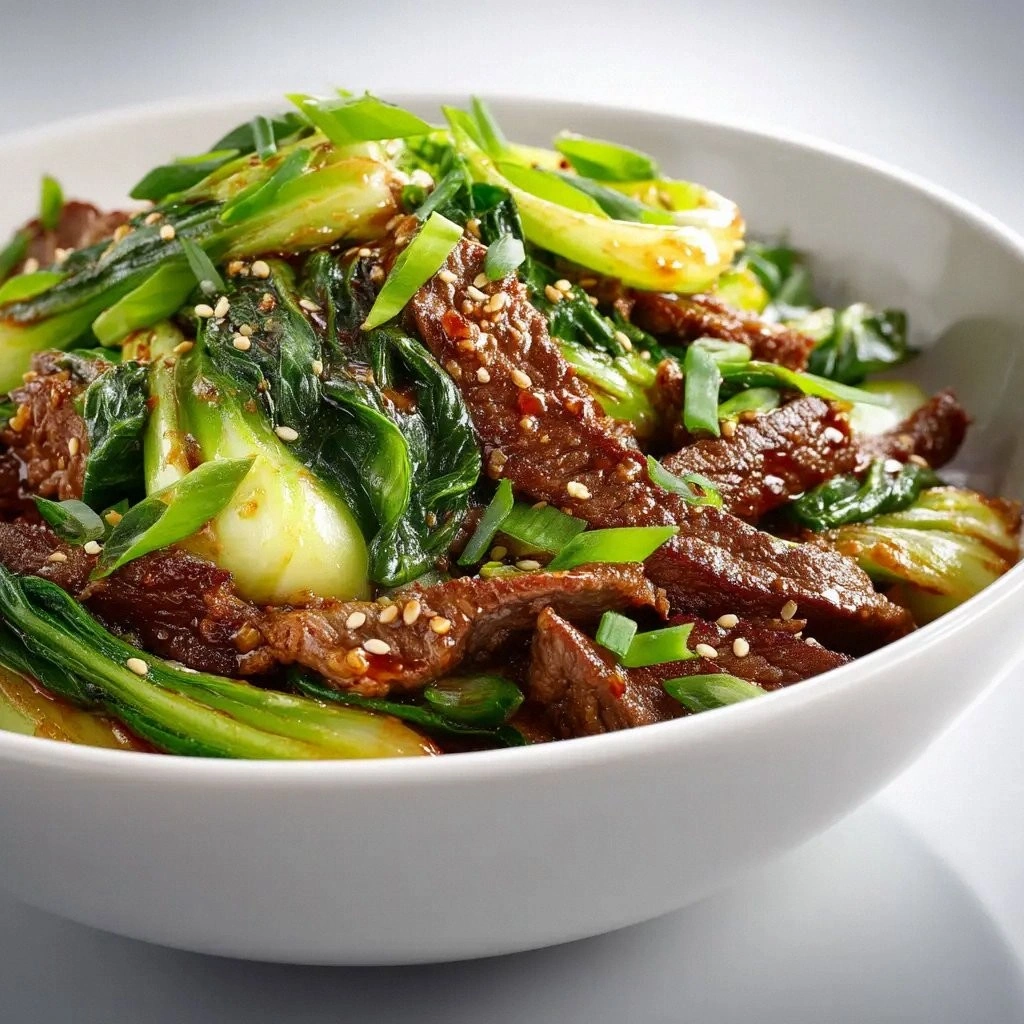
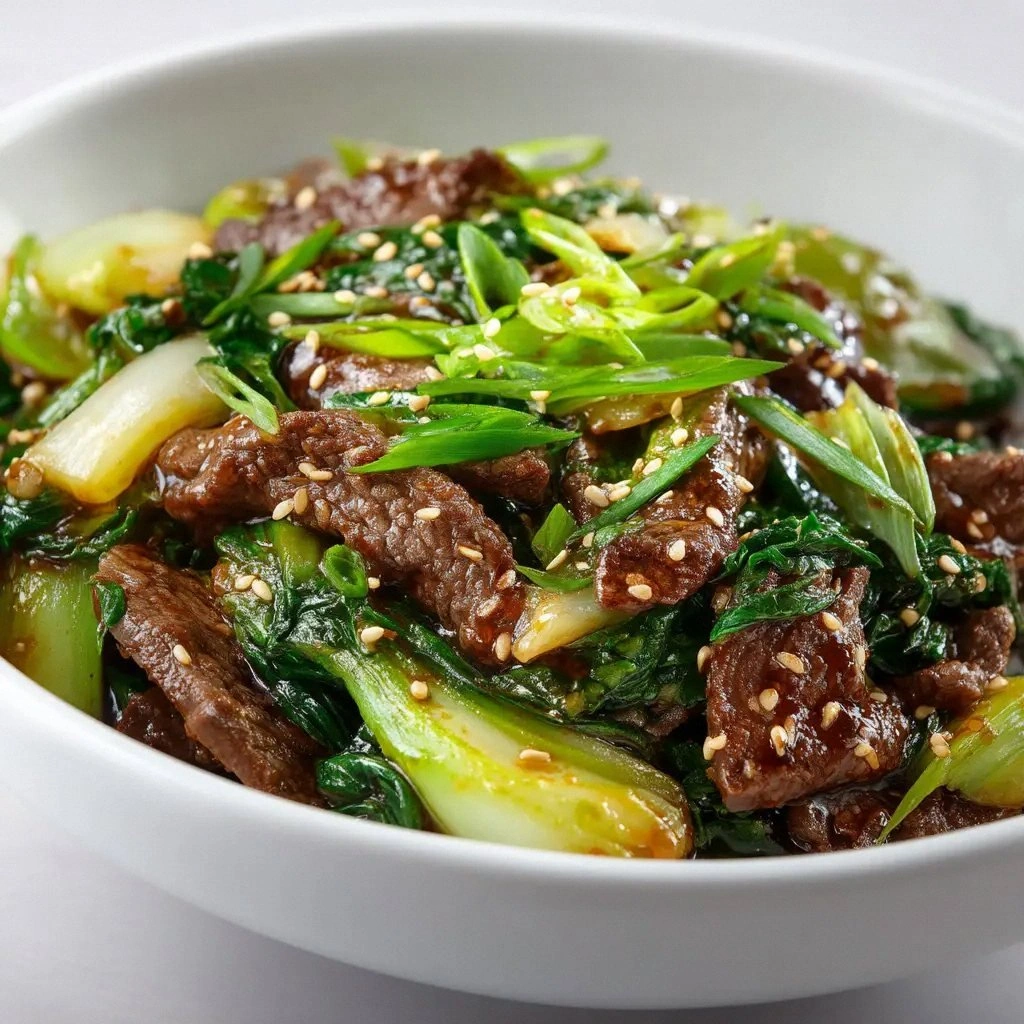
Picture the sizzle when the beef hits the pan: a crackle that sounds like applause, followed by the deep, savory aroma of soy and garlic. The baby bok choy, with its tender leaves and crisp stems, glistens as it swirls in the sauce, each bite delivering a satisfying crunch that shatters like thin ice. The sauce coats the noodles like velvet, glimmering with a hint of sesame oil that lingers on the palate. I dare you to taste this and not go back for seconds—once you try it, you’ll never settle for a bland stir‑fry again. This is hands down the best version you’ll ever make at home.
Most recipes get this completely wrong. They either overcook the beef or under‑season the sauce, leaving the dish flat and forgettable. I’ve spent years experimenting with ratios, and I finally cracked the perfect balance of sweet, salty, and umami. The secret ingredient is a splash of rice vinegar that brightens the sauce without cutting the sweetness, and a pinch of sesame seeds that adds a subtle crunch. If you’ve ever struggled with a bland stir‑fry, you’re not alone—this recipe fixes that problem in a single pan.
I’ll be honest—half the batch was gone before anyone else got a chance to taste it. The kitchen was alive with the clatter of pans and the aroma of ginger and garlic, and even my cat seemed to want a bite. The dish was so good that I had to pause and let the flavors settle before serving. Picture yourself pulling this out of the pan, the whole kitchen smelling incredible, and the table already buzzing with anticipation. Let me walk you through every single step—by the end, you’ll wonder how you ever made it any other way.
What Makes This Version Stand Out
- Taste: The sauce is a harmonious blend of sweet brown sugar, salty soy, and bright rice vinegar, creating a depth that lingers on the tongue.
- Texture: The flank steak stays tender and juicy while the bok choy retains a snap that contrasts beautifully with the silky sauce.
- Speed: From prep to plate in under 45 minutes, this dish is a true weeknight hero.
- Ingredient Quality: Using fresh ginger and high‑quality soy sauce elevates the flavor profile beyond the typical instant‑messy stir‑fry.
- Versatility: The recipe can be adapted for keto, gluten‑free, or vegetarian versions with simple swaps.
- Crowd Appeal: Even the pickiest eaters love the bright colors and the satisfying crunch of the bok choy.
- Make‑Ahead Potential: The sauce can be prepared ahead of time, allowing you to assemble the dish in minutes when hunger strikes.
- Presentation: The final plating showcases a glossy sauce, a pop of green from the onions, and a sprinkle of sesame seeds that makes the dish Instagram‑ready.
Inside the Ingredient List
The Flavor Base
The low‑sodium soy sauce is the backbone of the sauce, providing a rich umami flavor that pairs perfectly with the sweetness of brown sugar. The splash of rice vinegar adds a bright acidity that cuts through the richness and balances the sweetness. If you skip the vinegar, the sauce will taste too heavy and lose its zing.
The Texture Crew
Baby bok choy brings a crisp stem and tender leaf that hold up well in a hot pan. The cornstarch slurry coats the beef, creating a silky sheen and a slight thickness that clings to the meat. Without cornstarch, the sauce would remain watery and the beef would not have that glossy finish.
The Unexpected Star
Fresh ginger adds a warm, peppery kick that elevates the dish beyond ordinary stir‑fry. The sesame oil gives a nutty aroma that lingers on the tongue, while sesame seeds add a subtle crunch and visual appeal. If you’re missing sesame oil, a dash of toasted sesame paste works as a flavorful substitute.
The Final Flourish
Green onions provide a fresh, mild onion flavor that cuts through the richness, and the sesame seeds add a final pop of texture. Together, they finish the dish with a bright, celebratory touch. If you prefer a milder flavor, reduce the amount of green onion to one stalk.
Everything’s prepped? Good. Let’s get into the real action…
The Method — Step by Step
- Start by heating a large wok or skillet over high heat until it’s smoking. Add the avocado oil, letting it swirl around the pan. The oil should shimmer but not smoke excessively. This high‑heat environment is key to achieving that coveted sear on the beef. Once the oil is hot, slide in the beef strips, letting them sizzle on contact.
- Let the beef sear for 1–2 minutes on one side before flipping. It should develop a dark brown crust while staying pink inside. This step locks in juices and builds flavor. Don’t overcrowd the pan; if necessary, cook the beef in batches. The result is a tender, caramelized exterior.
- Remove the cooked beef to a plate and set aside. In the same pan, add the minced garlic and ginger. Sauté for 30 seconds until fragrant, being careful not to burn them. The aroma should fill the kitchen and signal that the base of the sauce is forming.
- Stir in the cornstarch slurry, whisking constantly to avoid clumps. This mixture thickens the sauce and gives it a glossy finish. As the slurry cooks, the sauce will begin to bubble and thicken. Keep stirring to prevent sticking. The texture should feel silky.
- Add the low‑sodium soy sauce, brown sugar, rice vinegar, and sesame oil. Stir until the sugar dissolves completely, forming a smooth, glossy sauce. The sauce should coat the back of a spoon and hold its shape when tilted. Taste and adjust seasoning if needed.
- Introduce the baby bok choy, first the stems, then the leaves. Toss them in the sauce, letting the heat wilt the stems while keeping the leaves crisp. The bok choy should be bright green and slightly translucent. Stir constantly to ensure even coating.
- Return the seared beef to the pan, tossing everything together. Let the mixture cook for another 2 minutes, allowing the flavors to meld. The edges of the beef should start pulling away from the pan, signaling doneness.
- Finish with sliced green onions and a sprinkle of sesame seeds. Toss gently, then remove from heat. Serve immediately over steamed rice or noodles, letting the sauce cascade over the grains.
- If you prefer a thicker sauce, reduce the heat and let it simmer for an additional minute; if you want it thinner, add a splash of water or broth. The final dish should have a glossy, silky sauce that clings to the beef and bok choy. Plate it hot, and watch the steam rise like a fragrant cloud.
That’s it—you did it. But hold on, I’ve got a few more tricks that will take this to another level. Let’s dive into insider tips that will make your stir‑fry flawless every single time.
Insider Tricks for Flawless Results
The Temperature Rule Nobody Follows
High heat is essential for a perfect sear, but the pan must be hot before the oil is added. Test the temperature by flicking a drop of water into the pan; if it evaporates instantly, you’re ready. If the water sizzles, the pan is too hot and could burn the sauce later. This simple check saves you from a soggy, under‑seasoned dish.
Why Your Nose Knows Best
Smell the sauce as it thickens; a caramelized scent signals that the sugar has browned properly. If the sauce smells overly sweet or burnt, lower the heat and let it simmer longer. Your nose is a reliable guide for balancing sweet and savory, especially when you’re juggling multiple ingredients.
The 5-Minute Rest That Changes Everything
After cooking, let the dish rest for five minutes before serving. This allows the juices to redistribute, resulting in a juicier beef bite. The sauce also settles, preventing it from sliding off the noodles. A short rest is the secret to a professional‑level finish.
The Quick Garnish Trick
Instead of using plain sliced green onions, try adding a handful of chopped cilantro or a squeeze of lime. The citrus brightens the dish, while cilantro adds a fresh herbal note. These simple swaps elevate the flavor profile without extra effort.
The Secret Ingredient Swap
If you’re vegan, replace the beef with thinly sliced tofu or tempeh. Press the tofu to remove excess moisture before searing, and use a splash of tamari for the sauce. The texture will mimic the beef’s chew, and the flavor will still hit the spot.
Creative Twists and Variations
This recipe is a playground. Here are some of my favorite ways to switch things up:
Spicy Szechuan Kick
Add a tablespoon of Szechuan peppercorn paste or crushed red pepper flakes to the sauce. The heat will give the dish a numbing, spicy sensation that pairs well with the sweetness. Serve over rice or noodles for a complete meal.
Coconut‑Infused Creaminess
Replace half the soy sauce with coconut aminos and stir in a splash of coconut milk. The creamy texture and subtle coconut flavor add a tropical twist. It’s a great option for those who love a richer, milder sauce.
Mushroom Medley
Add sliced shiitake or button mushrooms to the pan with the bok choy. The earthy flavor complements the beef and balances the bright sauce. Cook until the mushrooms release their juices and then finish with the standard sauce.
Garlic‑Infused Sesame Oil
Infuse the sesame oil with crushed garlic before adding it to the sauce. The oil will carry a deeper garlic flavor throughout the dish, enhancing the overall profile. This simple tweak can turn an ordinary stir‑fry into a gourmet experience.
Herb‑Rich Finale
Stir in a handful of fresh basil or mint just before serving. The herbs add a burst of freshness that cuts through the richness. This variation is perfect for a light, summery meal.
Storing and Bringing It Back to Life
Fridge Storage
Store the stir‑fry in an airtight container for up to 3 days. The sauce may thicken slightly, so reheat gently on low heat and stir until it reaches the desired consistency. The flavors will remain vibrant, and the bok choy will keep its crispness if reheated carefully.
Freezer Friendly
Freeze the dish in portions for up to 2 months. Thaw overnight in the refrigerator before reheating. Add a splash of water or broth to loosen the sauce, and heat until steaming hot. The texture of the beef stays tender, and the bok choy retains a pleasant bite.
Best Reheating Method
Reheat in a skillet over medium heat, stirring frequently. The key is to avoid high heat, which can dry out the beef. A quick splash of water or broth helps the sauce re‑melt and maintain its glossy sheen. Serve immediately for the best experience.