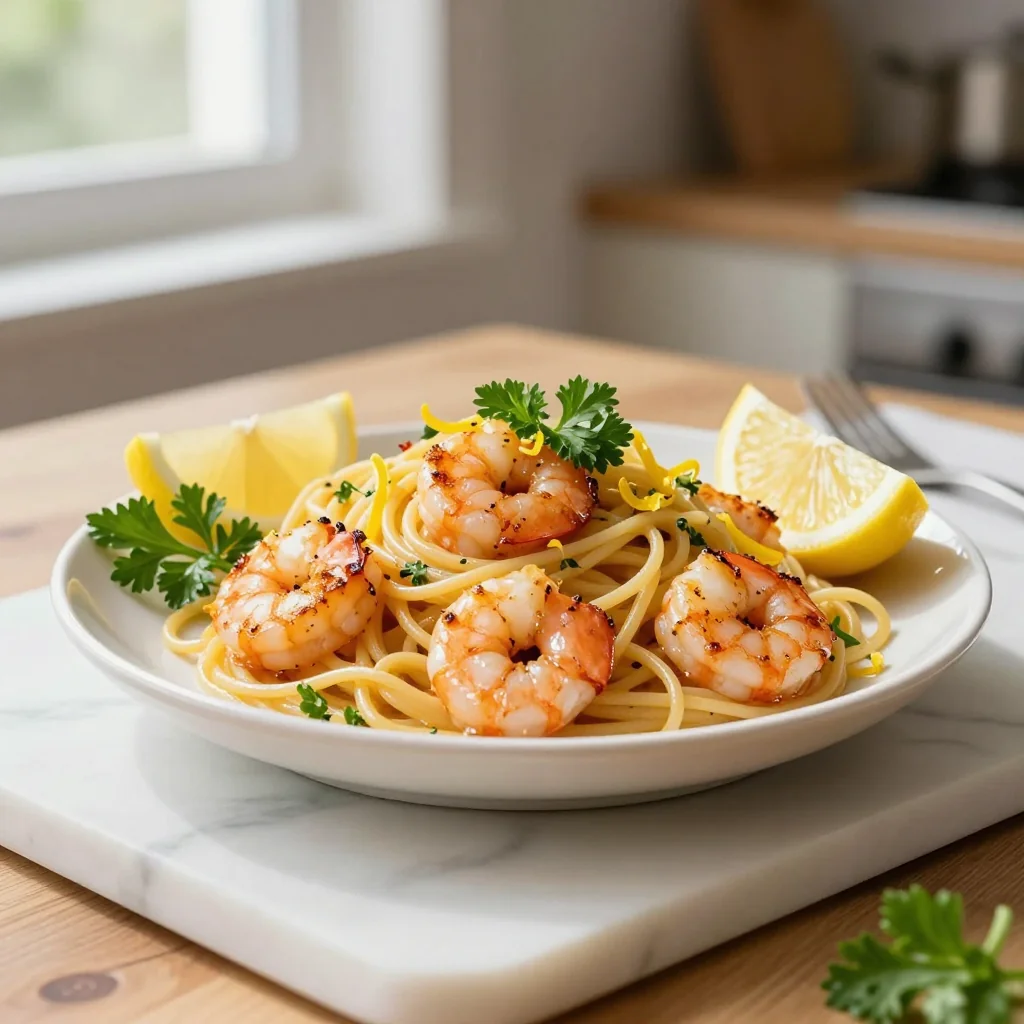
A bright, buttery shrimp dish that dances with lemon, garlic, and delicate angel hair pasta—perfect for any season.
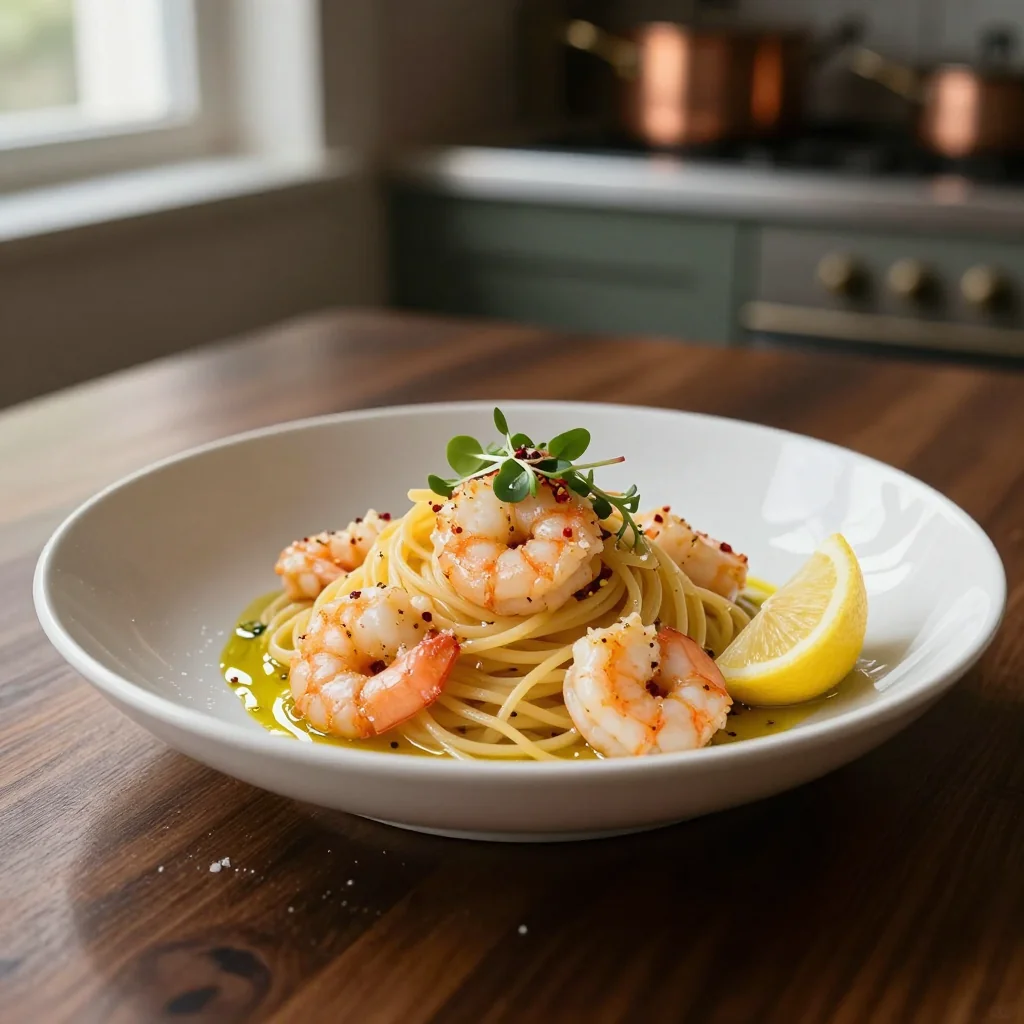
My First Taste of Summer on a Plate
I still remember the first time I tasted a dish that felt like sunshine in a bowl. It was a breezy evening on the Amalfi Coast, where a local chef tossed plump shrimp in a fragrant lemon‑garlic sauce and folded them into a nest of silky angel hair pasta. The aroma of sizzling butter, the bright zing of fresh lemon, and the subtle heat of red pepper flakes created a memory that has lingered in my kitchen ever since.
This recipe is rooted in the classic Italian tradition of letting high‑quality seafood shine, while borrowing a touch of French technique—sautéing the shrimp quickly to preserve their delicate texture. The combination of butter, olive oil, and white wine builds a luxurious sauce that clings lovingly to each strand of pasta.
By the end of this guide, you’ll know exactly how to balance the acidity of lemon with the richness of butter, how to time the cooking of shrimp so they stay juicy, and how to achieve that perfect “just‑al‑dente” bite of angel hair. You’ll also discover a few pro tips that turn an ordinary weeknight dinner into a restaurant‑quality experience.
I’m thrilled to share this recipe with you, and I hope it becomes a staple in your own culinary repertoire. Let’s dive in and bring a little coastal magic to your table!
🌟 Why This Recipe Will Captivate You
From the first fragrant sizzle to the final bright garnish, every step is designed to delight your senses and simplify your cooking.
- ✨ Lightning‑Fast Prep: With just a handful of ingredients and a 15‑minute preparation window, you’ll have a gourmet‑level meal on the table faster than you can say “bon appétit.”
- ✨ Balanced Flavors: The buttery base mellows the sharp lemon, while a pinch of red pepper flakes adds a whisper of heat, creating a harmonious flavor profile that satisfies both light‑eaters and those craving richness.
- ✨ Nutrient‑Rich: Shrimp provide lean protein and essential omega‑3 fatty acids, while the lemon adds vitamin C and antioxidants, making this dish both tasty and health‑conscious.
- ✨ Versatile Pairings: Whether you serve it with a crisp white wine, a sparkling water infused with herbs, or a simple mixed greens salad, the dish adapts beautifully to any accompaniment.
- ✨ Elegant Presentation: Angel hair pasta’s delicate strands create a stunning visual canvas for the vibrant orange‑gold shrimp, perfect for impressing guests.
- ✨ Budget‑Friendly: High‑impact flavor doesn’t require expensive ingredients—just fresh shrimp, pantry staples, and a dash of lemon.
🥗 The Ingredients
📝 Complete Ingredient List
For the Shrimp & Sauce:
For the Angel Hair Pasta:
For Garnish:
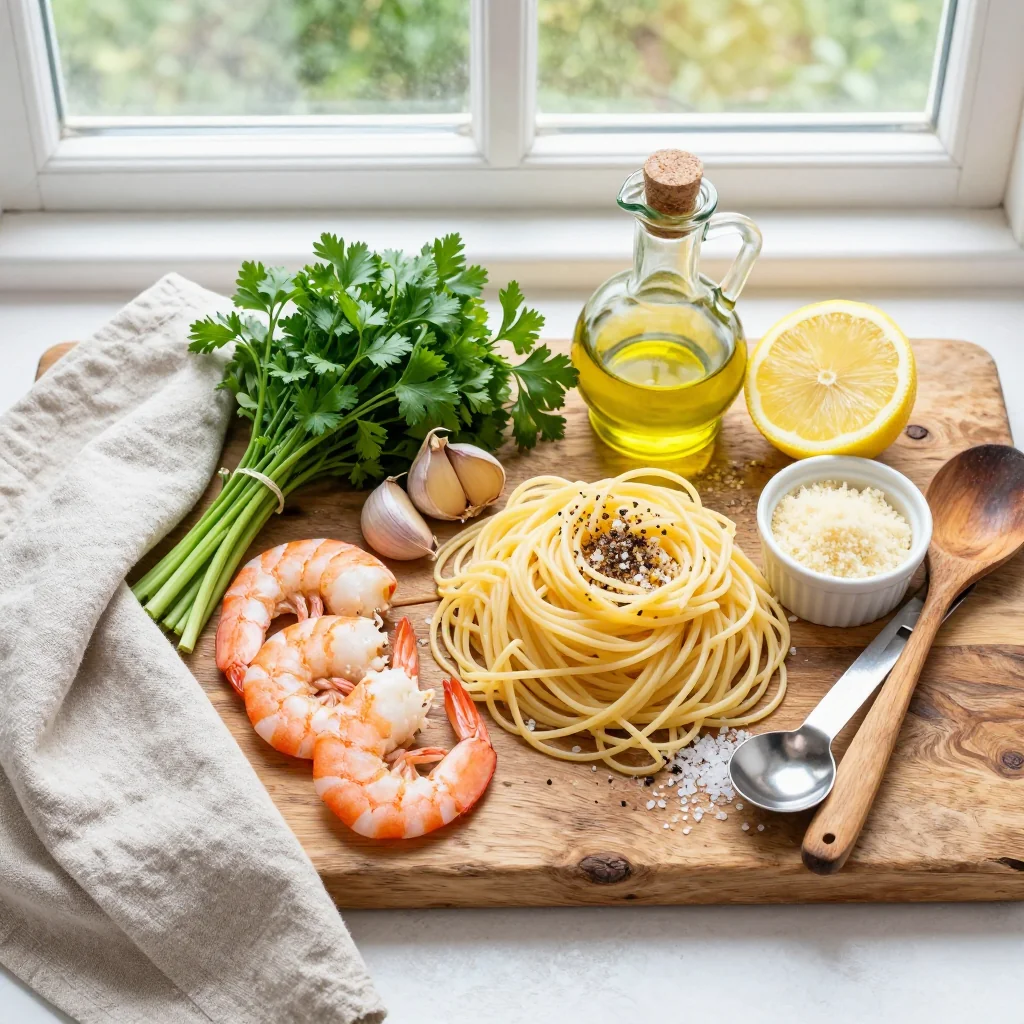
🔍 Focus on Key Ingredients
Shrimp
Shrimp are the star of this dish, delivering a sweet, briny flavor and a firm yet tender bite when cooked just right. Choose shrimp that are uniform in size so they cook evenly. If possible, buy them fresh; otherwise, frozen shrimp that have been flash‑frozen retain most of their texture and flavor.
Fresh Lemon
The lemon provides acidity that cuts through the butter, brightening the overall palate. For maximum juice, roll the lemon on the counter before cutting, and use a microplane for zest to capture the aromatic oils without bitterness.
Garlic
Garlic adds depth and a warm aromatic base. Mince it finely so it releases its oils quickly, but be careful not to burn it; burnt garlic can turn bitter and ruin the delicate balance of the sauce.
🔄 Quick Substitutions
| If you don’t have… | Use instead… |
|---|---|
| White wine | Chicken broth + a splash of white wine vinegar |
| Butter | Olive oil (will be less rich but still tasty) |
| Angel hair pasta | Spaghetti or linguine (adjust cooking time) |
👨🍳 Step‑by‑Step Instructions
Follow these detailed steps to create a restaurant‑quality shrimp pasta that sings with citrus and garlic. Each phase builds on the previous one, ensuring flavors meld perfectly.
📋 Phase 1: Preparation & Mise en Place
Gather, measure, and prep all ingredients before you start cooking.
Prepare the Shrimp
Rinse the shrimp under cold water, pat them dry with paper towels, and set them aside in a bowl. If the shrimp still have shells, remove them now; leaving the tail intact adds visual appeal. Season lightly with a pinch of salt and pepper; this early seasoning helps the shrimp develop flavor during sautéing.
Measure the Liquids
In a small measuring cup, combine the dry white wine, fresh lemon juice, and lemon zest. Stir gently to dissolve the zest. Having this mixture ready allows you to deglaze the pan quickly, preserving the sautéed flavors.
🔥 Phase 2: Cooking & Assembly
Create the sauce, cook the shrimp, and combine everything with pasta.
Sauté Shrimp
Heat a large skillet over medium‑high heat. Add the olive oil and butter; once the butter foams, add the minced garlic. Sauté for about 30 seconds, just until fragrant—do not let it brown. Add the shrimp in a single layer, cooking 1‑2 minutes per side until they turn pink and opaque. Remove the shrimp with a slotted spoon and set aside, keeping them warm.
Deglaze and Build the Sauce
In the same skillet, pour the wine‑lemon mixture, scraping the browned bits from the bottom with a wooden spoon. Let it reduce by half, about 2‑3 minutes, which concentrates the flavor. Stir in the red pepper flakes, then return the shrimp to the pan, coating them in the sauce.
Cook the Angel Hair Pasta
While the sauce reduces, bring a large pot of salted water to a rolling boil. Add the angel hair pasta and cook for 2‑3 minutes, or until al dente. Angel hair cooks quickly; taste a strand a minute before the package time to ensure it’s not over‑cooked.
✨ Phase 3: Finishing & Plating
Bring everything together, garnish, and serve.
Combine Pasta and Sauce
Drain the pasta, reserving a splash of cooking water. Add the pasta directly to the skillet with the shrimp and sauce. Toss gently, adding a tablespoon of the reserved pasta water if the sauce needs loosening. The starch in the water helps bind the sauce to each strand.
Garnish and Finish
Sprinkle the chopped parsley and grated Parmesan over the pasta. Give everything a final toss, then taste and adjust seasoning with salt, pepper, or a squeeze of fresh lemon if you crave extra brightness.
Serve Immediately
Plate the pasta in shallow bowls, ensuring each serving gets an even distribution of shrimp. Add a lemon wedge on the side for those who love a final burst of citrus. Serve hot, accompanied by a crisp white wine or sparkling water with a sprig of mint.
💡 Expert Tips & Tricks
🛒 Choosing the Best Ingredients
When selecting shrimp, opt for those labeled “wild‑caught” or “certified sustainable.” Wild shrimp often have a firmer texture and a sweeter flavor. For garlic, choose heads that feel heavy and have tight, unblemished skins. A fresh lemon should feel heavy for its size and have a bright, unblemished rind—these indicators guarantee maximum juice and zest. Finally, pick angel hair pasta made from durum wheat for the best bite.
🔪 Preparation Techniques
Keep all your tools within arm’s reach: a large skillet, a colander for pasta, a small bowl for the wine‑lemon mixture, and a microplane for zest. Mince garlic finely to release its aromatics quickly, but avoid over‑processing, which can cause bitterness. Pat shrimp dry thoroughly; excess moisture will steam rather than sear, preventing the desired golden crust.
🌡️ Mastering the Cooking
Heat control is essential. Start with medium‑high heat for the butter‑oil blend, then reduce to medium once the garlic is added. This prevents the butter from burning while still giving the shrimp a quick sear. When deglazing, let the wine reduce fully; this evaporates the alcohol and concentrates the flavor, creating a glossy sauce that clings to the pasta.
🍽️ Presentation & Service
Use a wide, shallow bowl to showcase the delicate strands of angel hair and the bright orange shrimp. A final drizzle of extra‑virgin olive oil adds a subtle sheen. Sprinkle a pinch of fresh parsley and a light dusting of Parmesan just before serving; this adds color contrast and a nutty finish. Serve with lemon wedges on the side so diners can customize acidity to their taste.
🏆 Pro Tips
Elevate this dish from home‑cooked comfort to a polished, restaurant‑style masterpiece with the following professional insights.
- 🎯 Timing the Shrimp Precisely: Professional kitchens use a “quick‑sear” technique—shrimp are cooked for exactly 45 seconds per side at 180 °C. This ensures a caramelized exterior while keeping the interior juicy. Use a timer and watch for the color change from translucent to opaque.
- 🎯 Emulsifying the Sauce: To achieve a velvety emulsion, whisk the butter and olive oil together before adding the garlic. This creates a stable fat base that resists separating when the lemon juice is introduced, resulting in a glossy, cohesive sauce.
- 🎯 Controlling Acidity: Adding lemon juice too early can cause the butter to curdle. Professionals add the citrus after the wine has reduced, which tempers the acidity and keeps the sauce smooth.
- 🎯 Pasta Water Magic: The starchy pasta water acts as a natural thickener. Add it gradually, stirring constantly, until the sauce reaches a silk‑like consistency that coats each strand without pooling.
- 🎯 Heat Management: Once the shrimp are removed, lower the pan’s temperature before adding the wine. This prevents a sudden temperature shock that could cause the butter to separate.
- 🎯 Final Finish with Cold Butter: Adding a small knob of cold butter at the very end (called “mounting”) adds shine and richness, a classic French technique that elevates the mouthfeel.
“The secret to great seafood pasta is never letting the shrimp overcook; a few seconds make all the difference.” — Massimo Bottura
🔄 Variations & Adaptations
This recipe is a flexible canvas that welcomes creativity. Below are several ways to tailor it to dietary preferences, flavor cravings, or family-friendly tweaks.
🥬 Vegetarian / Vegan Version
Replace the shrimp with firm tofu cubes or large king oyster mushroom slices. Marinate them in a mixture of soy sauce, lemon juice, and a dash of smoked paprika before sautéing. Use vegan butter and a splash of white wine or vegetable broth for the sauce. The result is a hearty, plant‑based dish that retains the bright citrus notes.
- Substitution 1: 400 g firm tofu, pressed and cubed.
- Substitution 2: 250 g king oyster mushrooms, sliced into “scallops.”
🌶️ Flavor Variations
Play with the flavor profile by adjusting aromatics, herbs, or spices. Below are three distinct twists you can try.
Spicy Version:
Increase red pepper flakes to 1 tsp and add a minced Thai red chili for a bold heat. Finish with a drizzle of chili‑infused olive oil for an extra kick.
Mediterranean Version:
Add ½ cup halved cherry tomatoes and ¼ cup Kalamata olives during the sauce reduction. Finish with a sprinkle of crumbled feta and fresh oregano for a sun‑kissed Mediterranean feel.
Asian‑Inspired Version:
Substitute white wine with ¼ cup sake, add 1 tsp grated ginger, and finish with a splash of soy sauce and a handful of sliced scallions. Garnish with toasted sesame seeds for texture.
⚠️ Dietary Adaptations
Gluten‑Free:
Use gluten‑free angel hair pasta made from rice or corn starch. Follow the package instructions for cooking time, as they may differ slightly from wheat pasta.
Lactose‑Free:
Replace butter with a lactose‑free plant butter or extra‑virgin olive oil. The sauce will remain rich while accommodating lactose intolerance.
Low‑Calorie:
Cut the butter in half and increase the olive oil proportion. Use a light hand with Parmesan or omit it entirely, and serve with a side of steamed broccoli to add volume without many extra calories.
👶 Kid‑Friendly Version
Reduce the red pepper flakes to a pinch or omit them entirely. Use a milder white wine or replace it with low‑sodium chicken broth. Serve the pasta with a side of steamed carrots or peas to add color and nutrition that appeals to young palates.
📦 Storage & Reheating
🧊 Conservation
Refrigerator:
- Duration: 2 days
- Container: Airtight glass or BPA‑free plastic container
- Tip: Store the sauce and pasta separately if possible to prevent sogginess.
Freezer:
- Duration: 1 month
- Method: Cool the cooked shrimp and sauce, then portion into freezer‑safe bags. Freeze pasta separately.
- Defrost: Transfer to the refrigerator overnight, then reheat gently on the stove.
💡 For best texture, reheat the shrimp and sauce first, then toss with freshly cooked pasta.
♨️ Reheating
🔥 Oven (Recommended):
- Preheat to 180 °C (350 °F).
- Cover the dish with aluminum foil to retain moisture.
- Reheat for 8‑10 minutes, stirring halfway through.
- Remove foil, add a splash of broth or water, and heat an additional 2‑3 minutes to restore sauce sheen.
⚡ Microwave (Quick):
- Place portions in a microwave‑safe dish, cover loosely.
- Heat on medium power for 1 minute, stir, then continue in 30‑second intervals.
- Stir in a teaspoon of olive oil at the end to revive the sauce.
🍳 Stovetop:
Add a tablespoon of butter or olive oil to a skillet over low heat. Toss the refrigerated pasta and shrimp, adding a splash of pasta water until the sauce becomes glossy again. This method preserves the texture of the shrimp.
🍷 Perfect Pairings
🥗 Side Dishes
- Arugula Salad with Lemon Vinaigrette: The peppery arugula complements the citrus notes of the main dish.
- Grilled Asparagus with Sea Salt: Lightly charred asparagus adds a crunchy contrast.
- Roasted Cherry Tomatoes: Their natural sweetness balances the acidity of the lemon sauce.
🍷 Wine & Beverage Pairings
- Verdicchio or Pinot Grigio: Crisp, mineral whites enhance the lemon‑garlic flavors without overwhelming the shrimp.
- Sauvignon Blanc: Its herbal notes echo the parsley garnish.
- Non‑Alcoholic: Sparkling water with a slice of lemon and fresh mint offers a refreshing, palate‑cleansing option.
🍰 To Complete the Meal
Begin with a light Italian antipasto platter—think olives, marinated artichokes, and thinly sliced prosciutto. Follow the shrimp pasta with a simple lemon sorbet or a panna cotta infused with vanilla, allowing the citrus theme to continue without heaviness.
❓ Frequently Asked Questions
Q: Can I use frozen shrimp instead of fresh?
Absolutely. Thaw frozen shrimp overnight in the refrigerator or place them in a sealed bag under cold running water for 10‑15 minutes. Pat them dry thoroughly before seasoning; excess moisture can cause steaming rather than searing.
Q: What type of wine works best for deglazing?
A dry, unoaked white wine such as Pinot Grigio, Sauvignon Blanc, or a crisp Italian Vermentino works best. The acidity helps lift the caramelized bits while adding subtle fruit notes. If you prefer to avoid alcohol, replace it with low‑sodium chicken broth and a splash of white wine vinegar.
Q: How do I prevent the sauce from separating?
Keep the heat at medium or lower once the butter has melted. Add the lemon juice after the wine has reduced, and finish the sauce with a small knob of cold butter (mounting). Stir continuously and avoid boiling the sauce vigorously.
Q: My pasta turned out mushy—what went wrong?
Angel hair pasta cooks extremely quickly; overcooking even by a minute can make it soggy. Use a large pot of boiling, heavily salted water, and test the pasta a minute before the package time. Drain it while still al dente and combine immediately with the sauce.
Q: Can I make this recipe gluten‑free?
Yes. Substitute the wheat‑based angel hair with a gluten‑free version made from rice or corn starch. Follow the cooking instructions on the package, as gluten‑free pasta often requires a slightly longer cooking time.
Q: Is it possible to prepare this dish ahead of time?
You can prep all the ingredients—measure liquids, mince garlic, zest lemon—up to an hour before cooking. Keep the shrimp chilled and the sauce components separate. Assemble and cook the dish right before serving for optimal freshness.
🎉 Let’s Get Cooking!
This Lemon Garlic Shrimp with Angel Hair Pasta brings together bright citrus, buttery richness, and succulent seafood in a dish that feels both luxurious and approachable. The quick prep, balanced flavors, and elegant presentation make it perfect for a weeknight dinner, a special occasion, or even a casual lunch with friends. By mastering the timing of the shrimp and the reduction of the sauce, you’ll achieve a restaurant‑quality result that will earn rave reviews from anyone who tastes it.
I encourage you to experiment with the variations, adjust the heat to your liking, and share your personal twists. Cooking is an adventure, and each modification teaches you something new about flavor harmony. Don’t hesitate to leave a comment, ask questions, or post a photo of your masterpiece.
Have you tried this recipe?
Leave a comment and rating below! Share your photos on Instagram with #LemonShrimpPasta for a chance to be featured.
Lemon Garlic Shrimp with Angel Hair Pasta
A bright, buttery shrimp pasta infused with fresh lemon and garlic.
📝 Ingredients
Shrimp & Sauce
Pasta
Garnish
👨🍳 Instructions
- 1 Pat shrimp dry, season lightly, and set aside.
- 2 Combine wine, lemon juice, and zest in a measuring cup.
- 3 Heat oil and butter, sauté garlic, then sear shrimp 1‑2 min per side.
- 4 Remove shrimp, deglaze pan with wine‑lemon mixture, reduce by half.
- 5 Return shrimp to pan, add red pepper flakes, and keep warm.
- 6 Cook angel hair pasta until al dente, reserve a splash of water.
- 7 Toss pasta with shrimp and sauce, add pasta water if needed.
- 8 Sprinkle parsley and Parmesan, give a final toss.
- 9 Plate, add lemon wedge, and serve immediately.
- 10 Enjoy with your chosen side and beverage pairing.
🥗 Nutritional Information (per serving)
*Values are estimates based on standard ingredient data.
📚 You Might Also Like
Spicy Scampi Linguine
Creamy Salmon Pasta
Garlic Butter Prawns


💬 Comments & Reviews
Leave a Comment
No comments yet. Be the first to share your thoughts!