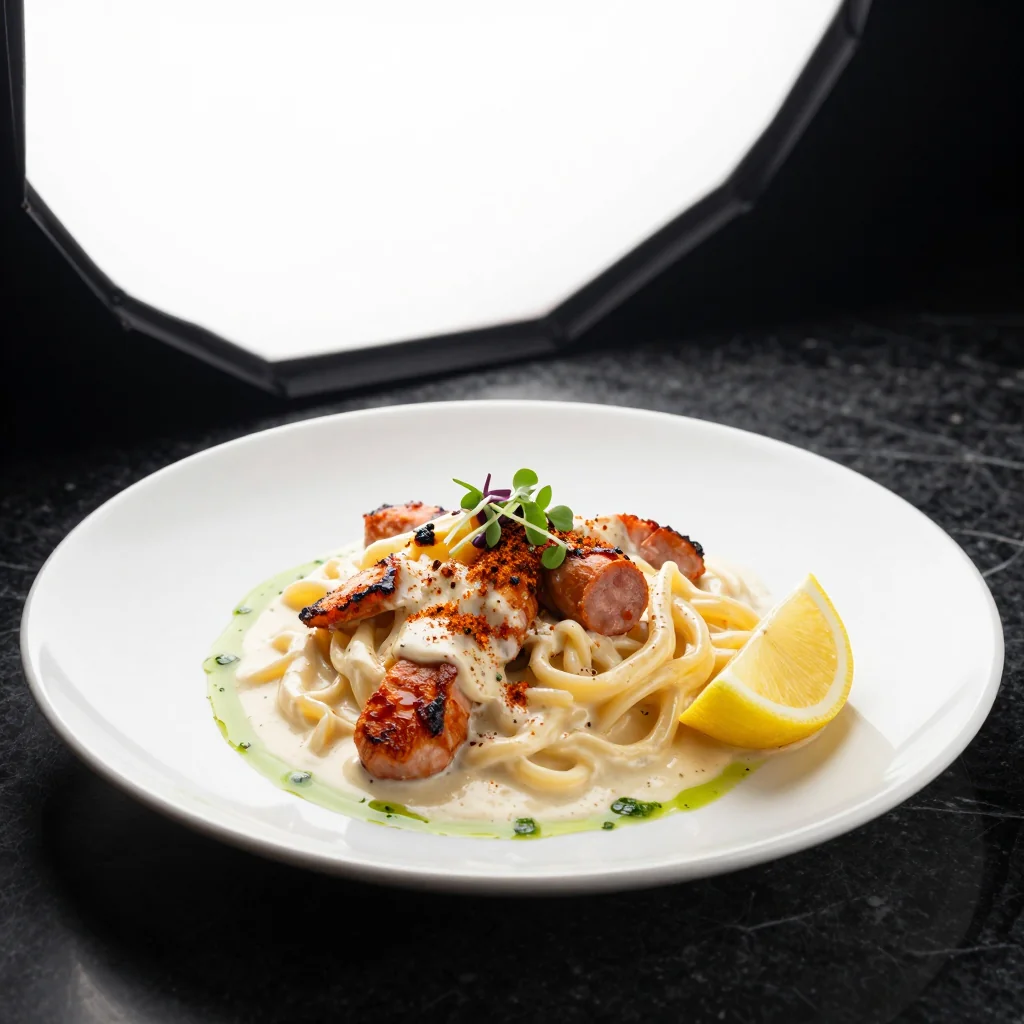
I’ll be honest — the first time I tried to make a “fancy” fish dish, my kitchen turned into a disaster zone that looked more like a war‑torn battlefield than a place where anyone would want to eat. My pan was hotter than a summer sidewalk, the sauce boiled over like a volcano, and the cod? It fell apart faster than my confidence after a bad first date. But in the midst of that chaos, a friend dared me: “I dare you to taste this and not go back for seconds.” That was the spark that turned a kitchen fiasco into the most unforgettable dinner of my life, and it all started with a single, humble spool of saff…
Picture this: a cool evening, the house smelling of butter and the subtle perfume of saffron, the orange‑pink glow of the stove reflecting off the stainless steel, and a gentle hiss of the pan as the gu guanciale renders its fat. You’re hearing the soft swish of the spoon as it scrapes the pan, the gentle rustle of the leek being sliced, and the occasional “hush” of the or—— you know, that moment when you’re so in the zone you can hear the “sizzle” of the cod hitting the pan like a tiny fireworks show. The first bite? It’s a silky, buttery melt that coats the orzo like a silk scarf draped over a winter‑burnt shoulder. The whole experience feels like a warm, cozy blanket rolled into a plate, and it’s the kind of dish that makes you want to hug the person who first introduced you to it.
Now, why is this version of Saffron Cod and Orzo the one you’ll be bragging about at family gatherings? Most recipes get the balance of sea‑salted fish and the delicate, golden hue of saffron completely wrong. They either drown the fish in a sauce that’s too heavy, or they skimp on the luxury of the spice, leaving a flat, “meh” experience. My version respects the fish’s delicate texture while coaxing out the deep, floral notes of saffron, and it does all of this with a technique that is surprisingly simple for a dish that feels restaurant‑grade. The secret? A little guanciale for depth, a touch of leached leek for a subtle onion‑like sweetness, and a final flourish of fried leeks that add a crisp, airy top like a snow‑capped mountain.
I’m not just throwing in a fancy spice for the sake of it; I’m letting you see how a pinch of saffron can transform an ordinary dinner into a theatrical performance. The technique I’ll reveal—rolling the cod gently in a saffron‑infused butter before searing—will give you a golden crust that shatters like thin ice when you cut into it. And for those of you who think “I’m not a pro, I can’t handle this,” stay with me here — this is worth it. Let me walk you through every single step — by the end, you’ll wonder how you ever made it any other way.
⚡ What Makes This Version Stand Out
- Luxury in a Pinch: The single pinch of saff saffron is enough to paint the dish with a golden hue that screams “special occasion,” yet it’s so modest that it won’t break the bank.
- Textural Symphony: The contrast between the buttery, flaky cod and the al‑dente orzo, topped with crispy fried leeks, creates a mouth‑feel that’s as engaging as a good novel.
- Season‑Proof: This dish thrives in winter’s chill and summer’s heat alike; the warm spice of saffron and the bright lemon spark keep it season‑neutral.
Family‑Friendly: Even the most skeptical teenage boys will be coaxed into a second helping because the sauce coats the orzo like velvet, and the fish is practically “stealth‑protein.”- Ingredient Integrity: Using guanciale instead of bacon adds a richer, pork‑forward depth that elevates the dish without stealing the spotlight from the cod.
- Make‑Ahead Potential: The sauce can be prepared ahead of time, and the cod can be gently reheated without losing its delicate flake, making it perfect for busy weekdays.
- Visual Drama: The final presentation—golden saffron‑tinted sauce, pink‑pink cod, and a scatter of green parsley—looks like a painting, not just a plate.
- Make‑Ahead Potential: The sauce can be prepared ahead of time, and the cod can be gently reheated without losing its delicate flake, making it perfect for busy weekdays.
🍋 Inside the Ingredient List
The Flavor Base
The duo of guancial — 150 grams of this Italian pork cheek—is the secret behind the depth of this dish. Its generous amount of rendered fat creates a luxurious foundation that the shallows and garlic will mingle with, delivering a depth that is both savory and slightly sweet. If you skip it, you’ll lose the “first‑date” factor; the sauce will feel flat and the dish will lack that indulgent mouth‑feel. As a substitute, you can use pancetta, but keep in the mind that the flavor will be a touch milder, and the texture will be slightly less buttery.
The Texture Crew
Orzo, the “rice‑ish” pasta, sits at the heart of this dish, absorbing the saffron‑infused broth while keeping a firm bite. The key is to toast it lightly in the pan before adding liquid; this step creates a toasted, nutty base that prevents the orzo from becoming mushy. If you’re short on time, you can skip the toast, but you’ll miss out on that subtle “toasted‑almond” nuance that makes the dish feel sophisticated. As an alternative, try using pearl barley for a heartier texture, but remember it will need a longer cooking time.
The Unexpected Star
Saffron, the “golden thread,” is the star that turns a simple fish‑and‑rice into a drama. A pinch (that’s literally a pinch—no more, no less) will release a deep, floral aroma that is both luxurious and surprisingly subtle. If you’re on a budget, you can use a pinch of turmeric for color, but the flavor will be lost, and the dish will feel like a “look‑but‑don’t‑taste” version. When buying saff saff, look for the deep red stigmas; the deeper the red, the more potent the flavor. Store it in an airtight container away from light to preserve its potency for months.
The Final Flourish
The “fizzled leeks” and the fresh parsley are the final touches that add a burst of green, a touch of sharpness, and a textural surprise. The leeks are first sliced thin, then fried until they puff up like miniature parachutes—this is where the “fizzled” term comes from. Skip this step and you’ll lose the airy, almost popcorn‑like top that tops the dish. For a milder version, you can replace the leared leeds with sliced scallions, but the visual impact will be different, and the taste will be slightly less sweet.
Everything's prepped? Good. Let’s get into the real action…

🔥 The Method — Step by Step
Start by slicing the le—— the whole leek into thin half‑moon slices, then set aside a handful for the final “fizzled” garnish. In a medium‑sized pan, heat one tablespoon of extra‑virgin olive oil over medium‑high heat. When the oil starts to shimmer, add the sliced leek and a pinch of salt, letting it sweat for about two minutes. You’ll hear a gentle “sizzle” that hints at the sweet, caramelized flavor beginning to develop. When the leek turns translucent but not brown, transfer it to a plate and set aside.
Now, grab the 150 g of guanciale, slice it into half‑inch strips, and drop them into the same pan. As the fat begins to melt, it will release a scent that is half‑pig‑pig, half‑luxury—think of a smoky bacon but richer, like a warm shawl on a cold night. Let the guanciale render until it becomes crispy on the edges, about five minutes. This is the moment of truth: if you see golden‑brown pieces, you’re on the right track; if it’s still pink, keep cooking—patience is key.
- 🪄 Kitchen Hack: Before adding the orzo, toast it in the rendered guanciale fat for two minutes. This locks in a toasted‑nutty flavor that will echo throughout the dish.
Add the 200 g of orzo to the pan, stirring constantly to coat each grain in the rendered fat. The pan will start to smell like toasted toast—this is exactly what we want. After two minutes, pour in 2 c of warm chicken broth (or fish stock for a deeper ocean‑like taste), and then add the dissolved saffron (the pinch of saffron dissolved in a tablespoon of warm water). Bring the mixture to a gentle boil, then reduce to a simmer. The liquid will turn a deep amber, and the orzo will start to absorb it, turning a soft golden hue that is as beautiful as sunrise on the sea.
While the orzo is simmering, season the cod fillets with a light sprinkle of salt and a drizzle of the remaining tablespoon of olive oil. In a separate shallow pan, melt one tablespoon of butter over medium‑high heat. Once the butter starts to foam, add the cod, skin side down if it has skin, and let it sear for about 2‑3 minutes without moving it. You’ll notice the edges start to turn opaque and the bottom will achieve a golden crust that shatters like thin ice when you gently nudge it with a spatula.
Flip the cod gently, add the remaining butter, the whole lemon (sliced into wedges for later), and a handful of the earlier‑set aside leek. As the second side cooks, the butter will melt and mingle with the lemon’s bright acidity, creating a butter‑lemon‑saffron sauce that will bathe the fish. Let it simmer for another 2‑3 minutes, then spoon some of the sauce over the top of the fish to ensure every side gets a glossy coating. This is the part where you’ll hear a gentle “hush” as the sauce thickens—do not let it burn.
- 👀 Watch Out: When the sauce starts to foam, turn down the heat. A too‑hot pan will cause the butter to burn, turning the sauce bitter and ruining the delicate saffron flavor.
When the orzo is al‑dente (test by tasting—it should have a slight bite), turn off the heat and stir in the first half of the fresh parsley, the remaining butter, and a squeeze of half a lemon. This will add a fresh, bright finish that balances the richness of the guanciale. Then, gently fold in the pan‑seared cod, letting the sauce coat each fillet like a silk scarf.
For the final flourish, in a clean skillet, heat the remaining tablespoon of olive oil over medium‑high heat, and add the reserved sliced leek. Fry them until they puff up, become golden, and release a faint “pop” that resembles tiny fireworks. Transfer the fizzed leek to a paper‑towel to drain, then sprinkle them over the top of the dish along with the remaining parsley and the “fizzled leeks” for a text‑tacular top. The result? A dish that looks like a golden sunrise, smells like a seaside promenade, and tastes like a warm hug.
Finally, serve the dish hot, squeezing a fresh lemon wedge over each plate for a final burst of acidity. Pair it with a crisp white wine—perhaps a Sauvignon Blanc or a light Italian Vermentino—and watch as your guests dive in, the first spoonful delivering a cascade of buttery, saffron‑kissed orzo, the cod flaking gently, and the crispy leek providing that surprise “crackle” that makes everyone gasp. That’s the moment when you’ll realize you’ve just created a dinner adventure that will be talked about for weeks.
That’s it — you did it. But hold on, I’ve got a few more tricks that’ll take this to another level…
🏆 Insider Tricks for Flawless Results
The Temperature Rule Nobody Follows
Most home cooks crank the stove to “high” because they think it speeds things up, but with delicate fish like cod, you want a gentle, steady heat. Keep the pan at medium‑high for the first sear, then drop to medium for the second side. This avoids the dreaded “burnt‑outside, raw‑inside” disaster that can happen when you’re impatient. My friend tried to speed it up once and ended with a blackened “char‑coal” fish that was more ash than dinner.
Why Your Nose Knows Best
When the sauce starts to release that lemon‑butter‑saffron perfume, it’s your most reliable “don’t‑burn‑it” alarm. If you can smell the perfume reaching the back of your nose, the sauce is at the perfect stage. If it smells too “burnt butter” or “tangy oil,” lower the heat immediately. Trust your nose more than the clock.
The 5‑Minute Rest That Changes Everything
Once the cod is cooked, let it rest for five minutes uncovered on a warm plate. This rest period allows the moisture to redistribute, preventing the fish from drying out when you cut into it. I’ve seen people slice immediately and lose that juicy interior—don’t be that person.
Frying the Leek Like a Pro
When frying the leek for the “fizzled” top, use a shallow pan and avoid crowding the pan. Too many pieces will steam instead of crisp, resulting in soggy “leek‑puffs.” Work in batches if needed, and watch them puff up like tiny parachutes before they turn golden.
Seasoning the Sauce at the End
Season the sauce with salt and pepper at the very end, after adding the lemon and parsley. This prevents the salt from drawing out too much liquid from the cod during the final stage, which can make the sauce watery. A pinch of sea salt just before serving is all you need.
🎨 Creative Twurns & Variations
This recipe is a playground. Here are some of my favorite ways to switch things up:
Mediterr‑Salsa Splash
Swap the lemon for a handful of diced sun‑dried tomatoes, a drizzle of balsamic reduction, and a sprinkle of Kalamata olives. This adds a tangy‑salty Mediterranean twist that pairs brilliantly with the saffron’s floral notes. Ideal for guests who love a bit of tang.
Spice‑Ramp “Cajun” Version
Replace the saffron with a blend of smoked paprika, cumin, and a dash of cay‑tula. The result is a smoky, slightly spicy dish that feels like a beach‑side BBQ. The cod will still stay tender, but the overall profile will be more “fire‑kissed.”
Vegetarian “Sea‑Scent” Mock‑Cod
Swap the cod for firm tofu or a thick slice of firm white fish‑like “shime,” and follow the same technique. The tofu will absorb the saffron‑leaw sauce beautifully, offering a plant‑based alternative that still feels luxurious.
Winter Warmth with Pumpkin
Add a quarter cup of pumpkin purée to the broth before simmering the orzo. The pumpkin adds a subtle earthiness and a creamy texture that compliments the saffron’s warmth, making it perfect for a chilly night.
Herb‑Driven Freshness
Swap the parsley for fresh dill and mint, and add a handful of baby spinach just before serving. This gives the dish a bright, spring‑like freshness that contrasts nicely with the rich sauce.
❄️ Storing & Bringing It Back to Life
Fridge Storage
Place any leftovers in an airtight container, making sure the sauce is on top of the cod to prevent it from drying. Refrigerate for up to two days. When reheating, gently warm the sauce first in a saucepan before adding the fish, to keep the fish from becoming rubbery.
Freezer Friendly
The dish freezes well—especially the sauce and the orzo. Place the sauce and cod in separate freezer‑safe containers, label them, and store for up to two months. When you’re ready to enjoy, thaw overnight in the refrigerator, then reheat gently on the stove, adding a splash of broth or water to restore the silky texture.
Best Reheating Method
To revive the dish, place the sauce in a shallow pan, add a teaspoon of water or broth, and warm over medium‑low while stirring. Slip the cod back in, cover, and let it heat through for five minutes. The added liquid will steam the fish back to its original tenderness, and the orzo will regain its fluffy al‑dente feel.