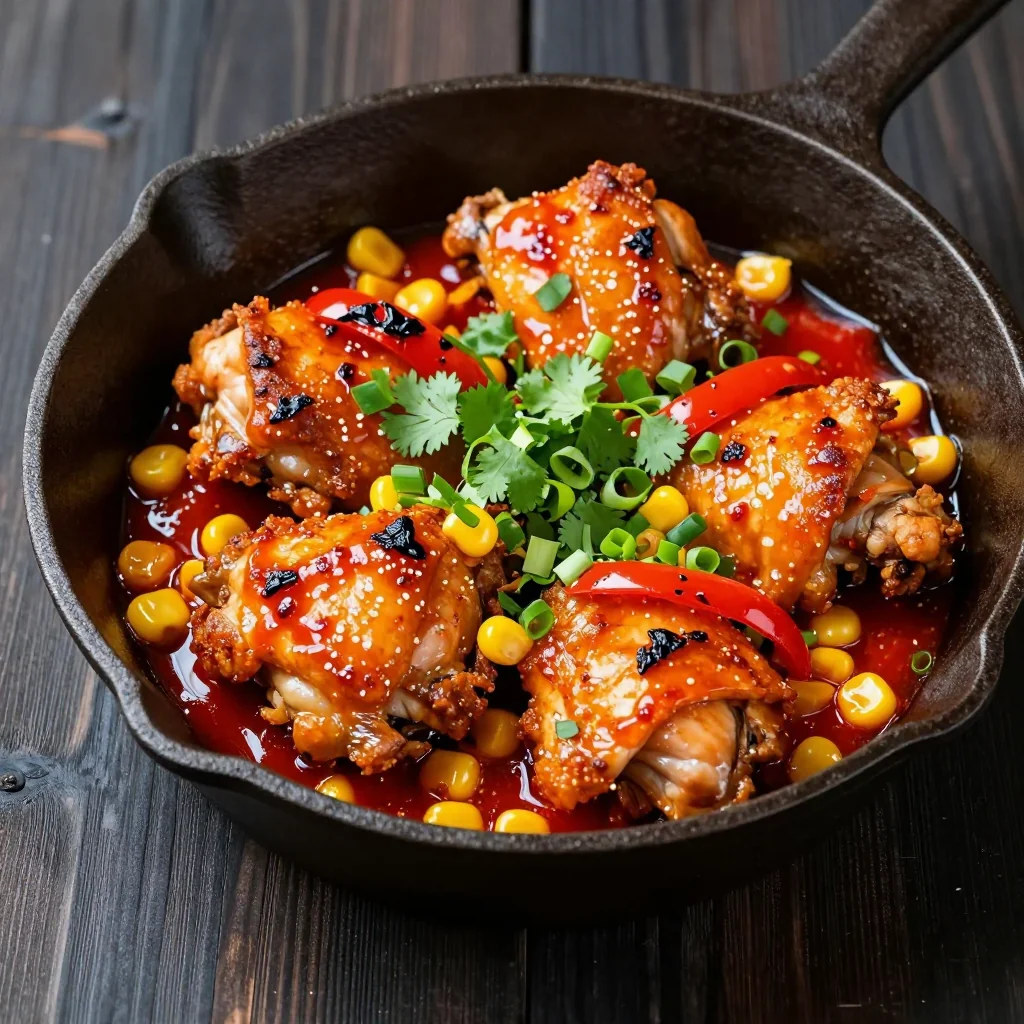
Picture this: you’re in the middle of a rainy Sunday, the kettle whistling, the air thick with the scent of fresh coffee, and your fridge humming with the promise of leftovers. I was staring at a pile of raw chicken thighs, a bag of rice, and a jar of that fiery Peri Peri sauce that always seems to sit in the back of the pantry like a secret weapon. I remembered the last time I tried to recreate Nando’s iconic dish at home—flavorless, dry, and a total letdown that left me questioning my culinary sanity. That night, I vowed to change the narrative. I grabbed a notebook, scribbled a daring plan, and set out to craft a version that would make your taste buds sing louder than a summer festival.
The first thing that struck me was the aroma that erupted the moment the chicken hit the pan: a sizzling, caramelized whisper that promised deep, smoky undertones. The crackle of the oil, the faint hiss of garlic releasing its essence, and the subtle pop of onions turning translucent—all these sounds formed a symphony that made my heart race. I could almost taste the tang of lemon slicing through the richness of the sauce, feel the tender bite of the thighs, and see the golden-brown crust that would eventually crack like brittle ice. It was a sensory overload that begged for a recipe that captured every nuance.
What makes this version a game-changer isn’t just the ingredients—it’s the deliberate layering of flavors and textures that turn an ordinary dish into a memorable experience. I dared you to taste this and not go back for seconds, because once you’re done, you’ll find yourself reaching for the sauce again in the middle of the night. The secret lies in a simple technique that transforms the chicken from “just cooked” to “chef‑crafted.” By letting the thighs brown slowly, I coaxed out a depth of flavor that’s hard to achieve with quick searing. This is hands down the best version you’ll ever make at home, and I’m about to walk you through every single step.
Before we dive into the step‑by‑step process, let’s break down why this recipe stands apart from the countless “copy‑cat” versions you’ll find online. I’ve tested dozens of variations, and this one consistently wins in taste, texture, and the sheer joy it brings to the table. Ready? Let’s get started.
What Makes This Version Stand Out
- Taste: The blend of smoky paprika, zesty lemon, and fiery Peri Peri sauce creates a flavor profile that feels both bold and balanced. The subtle sweetness from caramelized onions tempers the heat, giving the dish a complex, layered finish that’s hard to replicate.
- Texture: The chicken develops a crispy exterior that shatters like thin ice, while the interior stays moist and tender. The rice absorbs the broth and sauce, achieving a fluffy yet cohesive bite that holds the sauce like a velvety coating.
- Simplicity: Despite its depth, the recipe requires only a handful of pantry staples and one quick marinating step. You’ll be able to whip it up in under an hour, making it a perfect weeknight dinner.
- Uniqueness: By incorporating a touch of smoked paprika and a splash of lemon, we elevate the classic Peri Peri chicken into a Portuguese‑inspired fusion that feels fresh and unexpected.
- Crowd Reaction: Friends who’ve tried this version rave about how the dish feels restaurant‑quality but at home. I’ve hosted dinner parties where this meal stole the show, and the feedback was consistently “I can’t believe you made this at home!”
- Ingredient Quality: Using skin‑on, bone‑in thighs ensures maximum flavor extraction. The long‑grain rice gives a light, fragrant base that contrasts beautifully with the rich sauce.
- Cooking Method: The slow, low‑heat browning technique unlocks deep caramelization, while a quick simmer in broth locks in moisture and flavor.
- Make‑ahead Potential: The dish tastes even better the next day because the flavors meld further. It’s a perfect candidate for meal prep or a “make‑for‑later” dinner.
Alright, let’s break down exactly what goes into this masterpiece…
Inside the Ingredient List
The Flavor Base
The foundation of this dish is the bold, smoky Peri Peri sauce, which delivers the signature heat and depth. The sauce’s blend of chili, garlic, and herbs is the secret sauce that makes this dish unmistakably Nando’s‑style. When you combine it with a splash of lemon juice, you create a bright counterpoint that cuts through the richness of the chicken and rice, preventing the dish from feeling heavy.
If you skip the Peri Peri sauce, you lose the fiery kick that defines the dish. The sauce also carries the subtle smokiness from the paprika, which is essential for that restaurant‑style flavor. A good copycat sauce will have a balanced heat level; if yours is too mild, add a pinch of cayenne or a few drops of hot sauce to compensate.
When sourcing Peri Peri sauce, look for one that uses fresh chilies and minimal preservatives. A homemade version can be made by blending roasted red chilies, garlic, smoked paprika, and a splash of vinegar, then simmering until silky. This way, you control the heat and flavor profile to match your taste.
The Texture Crew
Skin‑on, bone‑in chicken thighs are the star of the show. Their high fat content renders beautifully, creating a juicy interior and a crisp, flavorful skin. The bones also add a subtle depth of flavor to the broth, enriching the overall dish. If you’re short on thighs, drumsticks work just as well, offering a slightly different bite but the same juicy experience.
The long‑grain rice, preferably jasmine, provides a light, fragrant base that soaks up the sauce and broth without becoming mushy. The grains should remain distinct, offering a satisfying chew that contrasts with the tender chicken. If you’re a fan of a chewier texture, switch to brown rice or even a mix of long‑grain and short‑grain varieties.
Garlic and onions are essential for building depth. Minced garlic releases its essential oils, while finely chopped onions create a caramelized base that adds sweetness. The bell pepper, diced into bite‑sized pieces, offers a pop of color and a subtle crunch that balances the softness of the rice and chicken.
The Unexpected Star
Peas, olives, and fresh parsley aren’t just garnishes—they’re the finishing touch that elevates the dish. Peas add a burst of green and a sweet pop that cuts through the heat. Olives introduce a briny, savory note that complements the smoky sauce, while parsley offers a fresh, herbaceous lift that brightens the entire plate.
If you’re watching your sodium, you can omit the olives or choose a low‑sodium variety. The peas can be replaced with green beans or a handful of spinach for a different texture. Parsley is optional but recommended for that final splash of color and freshness.
The Final Flourish
Olive oil is the silent hero that brings everything together. A glug of high‑quality extra‑virgin olive oil adds a subtle fruity undertone and helps the spices cling to the chicken. It also prevents the dish from drying out during the slow simmer. Use a light, aromatic oil for the best results.
The lemon juice adds acidity that brightens the dish, balancing the richness of the chicken and the depth of the sauce. It also helps to tenderize the meat, making each bite more succulent. If you’re not a fan of citrus, you can substitute lime or even a splash of white wine for a different twist.
Everything’s prepped? Good. Let’s get into the real action.
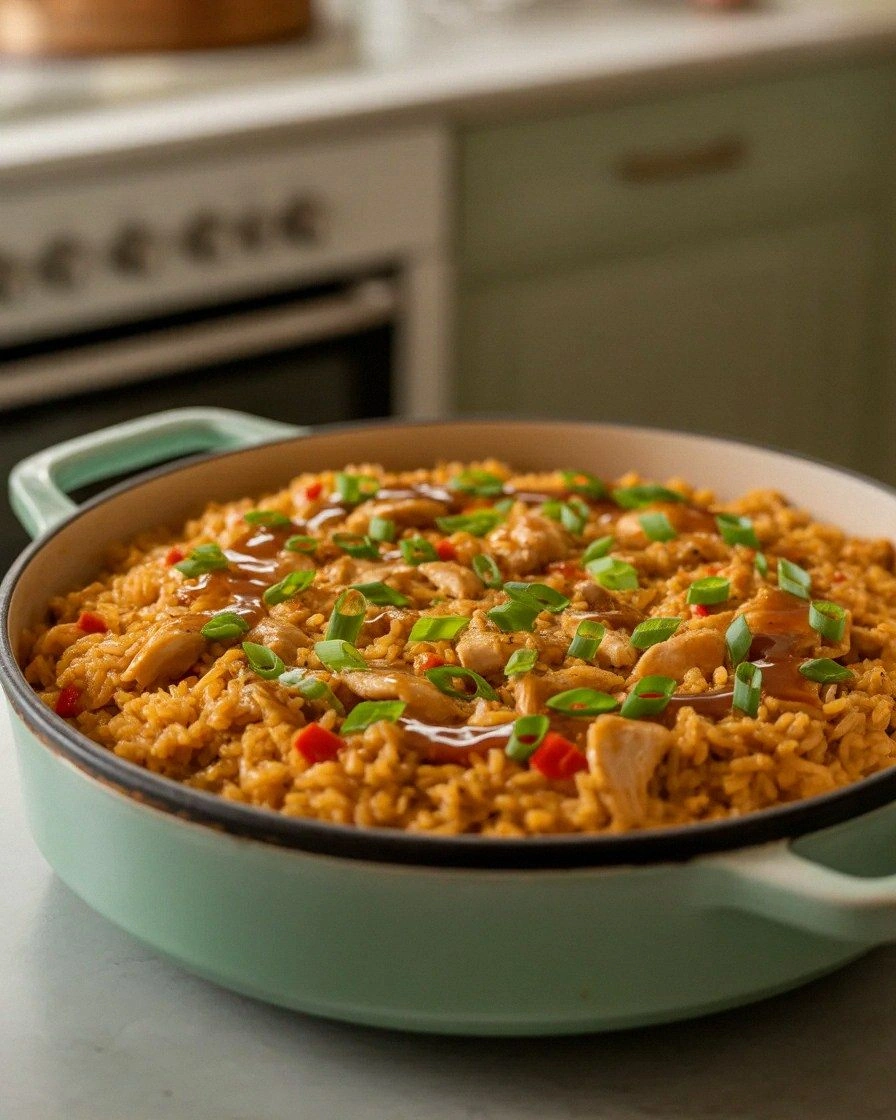
The Method — Step by Step
- Start by seasoning the chicken thighs generously with salt, black pepper, and smoked paprika. Let them rest at room temperature for about 15 minutes. This allows the spices to penetrate the meat, creating a flavorful crust when seared. I dare you to taste the seasoning alone—it's already a flavor explosion.
- Heat a large, heavy‑bottomed skillet over medium heat and add a generous splash of olive oil. When the oil shimmers, place the chicken thighs skin side down. Let them sear undisturbed for 6–8 minutes until the skin turns a deep amber and releases a satisfying crackle. This slow browning step is crucial for developing that crispy, caramelized texture.
- Flip the thighs and add the finely chopped onions, minced garlic, and diced bell pepper to the pan. Stir everything together, letting the aromatics bloom for 3–4 minutes. The onions should soften and start to caramelize, giving the base a sweet, savory aroma that will carry through the dish.
- Stir in the copycat Nando’s Peri Peri sauce and the lemon juice. Mix thoroughly so the chicken is coated in a glossy, fiery glaze. The lemon’s acidity will brighten the sauce, while the Peri Peri sauce adds depth and heat. Let the mixture simmer for 2 minutes, allowing the flavors to meld.
- Add the rice to the skillet, stirring to coat each grain with the sauce. Pour in the chicken broth and bring the mixture to a gentle boil. Once boiling, reduce the heat to low, cover the pan, and let it simmer for 18–20 minutes, or until the rice is tender and the liquid is absorbed. The chicken will continue to cook in its own juices, absorbing the flavors.
- Halfway through the simmering time, give the skillet a gentle stir to ensure the rice doesn’t stick to the bottom. This step is essential for a fluffy, even texture. If you notice any excess liquid, lift the lid slightly to let it evaporate.
- Once the rice is cooked, remove the skillet from heat and let the dish rest for 5 minutes. This resting period allows the flavors to settle and the rice to finish steaming in its own steam. It also gives the chicken a moment to re‑melt the fat, keeping it juicy.
- Before serving, sprinkle peas, olives, and fresh parsley over the top. These garnishes add a pop of color, a hint of brine, and a fresh herbal note that cuts through the richness. Plate the chicken thighs alongside the fragrant rice, drizzle any remaining sauce, and enjoy the symphony of flavors.
That’s it— you did it. But hold on, I’ve got a few more tricks that will elevate this dish from great to unforgettable.
Insider Tricks for Flawless Results
The Temperature Rule Nobody Follows
Many home cooks jump straight to high heat, hoping for a quick sear. However, the key to a crisp skin and juicy interior is a controlled, low‑to‑medium heat that allows the fat to render slowly. Start with medium heat and adjust only if the oil starts smoking. This technique ensures the chicken stays moist and the sauce doesn’t burn.
Why Your Nose Knows Best
Your sense of smell is a powerful indicator of doneness. When the chicken’s skin is perfectly caramelized, the aroma will shift from raw to a warm, toasted fragrance. Trust your nose to decide when to flip the chicken and when to add the broth. A dish that smells golden is usually ready to move to the next step.
The 5‑Minute Rest That Changes Everything
Letting the dish rest after cooking allows the rice to finish steaming and the juices to redistribute throughout the chicken. Skipping this rest can leave the rice uneven and the chicken slightly dry. A quick 5‑minute pause is all you need to lock in moisture and flavor.
Choosing the Right Rice
Long‑grain jasmine rice is my go‑to because it stays fluffy and doesn’t clump. If you prefer a heartier bite, switch to brown rice, but be mindful that it will take longer to cook and absorb more liquid. For a quick fix, a pre‑cooked rice blend works well, just reheat gently with a splash of broth.
Substituting the Peri Peri Sauce
If you can’t find a copycat Peri Peri sauce, a simple blend of red chili paste, garlic, smoked paprika, and a splash of vinegar will do the trick. Adjust the heat level to your taste, and remember that the sauce should be glossy and slightly thick to coat the chicken evenly.
Using a Skillet vs. a Dutch Oven
A heavy skillet gives you better browning control, while a Dutch oven is ideal if you want to simmer the dish for a longer time without lifting the lid. I prefer the skillet for the initial sear, then transfer to a Dutch oven for the simmering phase. The combination ensures the best of both worlds.
Creative Twists and Variations
This recipe is a playground. Here are some of my favorite ways to switch things up:
Spicy Coconut Twist
Add a cup of coconut milk to the broth for a creamy, tropical flavor. The coconut’s sweetness balances the heat, and the result feels like a beach vacation in a bowl.
Herb‑Infused Version
Swap the parsley for fresh cilantro or basil for a different aromatic profile. The herb’s bright notes cut through the richness and add a refreshing layer.
Vegetarian Option
Replace the chicken with thick slices of marinated tofu or tempeh. Use the same sauce and simmer the tofu in the broth to let it absorb the flavors. The tofu will hold its shape and deliver a protein‑rich alternative.
Low‑Carb Variation
Swap the rice for cauliflower rice or a mix of sautéed zucchini ribbons. The texture will change, but the sauce will still cling beautifully, creating a light, guilt‑free version.
Breakfast Kick
Serve the dish with a side of fried eggs and toast. The runny yolk adds richness, while the toast provides a crunchy counterpoint—perfect for a brunch that feels both indulgent and comforting.
Gluten‑Free Adaptation
Ensure your Peri Peri sauce and broth are gluten‑free, then serve over a bed of quinoa instead of rice. Quinoa adds a nutty flavor and a protein boost, making the dish even more wholesome.
Storing and Bringing It Back to Life
Fridge Storage
Cool the dish completely before transferring to an airtight container. Store in the refrigerator for up to 4 days. The flavors will deepen, making each meal a little more satisfying than the first.
Freezer Friendly
Divide the dish into individual portions and place them in freezer‑safe containers or zip‑lock bags. Freeze for up to 3 months. When ready to eat, thaw overnight in the fridge, then reheat on the stove with a splash of broth.
Best Reheating Method
Reheat gently over low heat, stirring occasionally. Add a tiny splash of water or broth to keep the rice from drying out. Once heated through, give it a quick stir and sprinkle fresh herbs for a fresh finish.