Spring Pea and Mint Salad
I was halfway through a disastrous attempt at a classic pea salad when a sudden craving for something bright and fresh hit me like a burst of sunshine. The kitchen was a chaotic mess—half‑shelled peas scattered across the counter, a handful of mint that had lost its aroma, and a jar of yogurt that had been left out too long. I stared at the soggy, wilted peas, thinking, “What am I even doing?” That moment of culinary crisis was the spark that set the stage for the ultimate spring pea and mint salad you’re about to discover. I’ve spent countless hours experimenting, tweaking, and refining until I found the perfect balance of sweet, tangy, and herbaceous that turns an ordinary bowl of peas into a symphony of flavors.
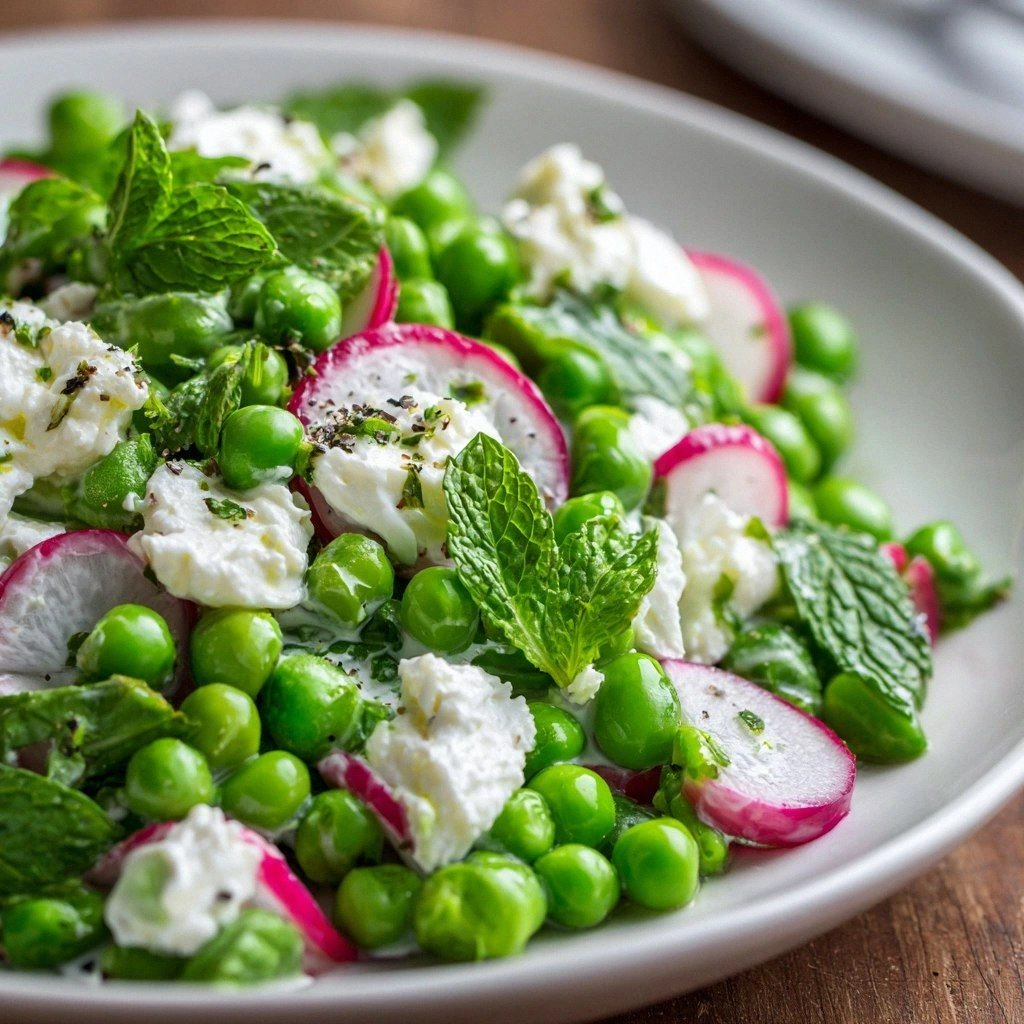
Picture this: a bowl of crisp, green peas that look like tiny emeralds, a splash of vibrant mint that smells like a fresh garden breeze, and a creamy yogurt dressing that glazes the peas like a silk ribbon. The first bite is a playful explosion of textures—the peas’ subtle crunch, the radish’s peppery snap, and the feta’s salty crumble—all harmonizing under the zesty citrus kiss. The air is filled with the faint, sweet scent of mint and the sharp, bright aroma of freshly squeezed lemon, while the sound of the salad being tossed is a satisfying, almost rhythmic clatter that feels almost like music to the kitchen. If you’ve ever struggled to elevate a simple pea salad, you’re not alone, and I’ve got the fix that will make you wonder why you ever settled for anything else.
What sets this version apart is not just the combination of ingredients but the technique behind it. I dare you to taste this and not go back for seconds. The peas are blanched just enough to keep their bright green color and natural sweetness, then cooled in an ice bath to lock in that crisp snap. The yogurt dressing is whisked until it’s silky smooth, then folded in with a generous drizzle of olive oil that gives it a luscious, velvety coat. The mint is chopped finely so it releases its oils without overpowering, while the radishes add a subtle crunch that shatters like thin ice. Every element is carefully balanced so that no single flavor dominates, creating a harmonious bite that feels like a fresh spring breeze in your mouth.
I’ve been told this is hands down the best version you’ll ever make at home, and I’m not exaggerating. The secret lies in the fresh, high‑quality ingredients and the attention to detail at every step—from blanching to dressing to serving. I’ll be honest—I ate half the batch before anyone else got a chance to try it, and that’s a testament to how addictive it is. Picture yourself pulling this out of the fridge, the whole kitchen smelling incredible, and seeing your guests’ faces light up as they take that first bite. Stay with me here—this is worth it, and by the end, you’ll wonder how you ever made it any other way.
What Makes This Version Stand Out
- Color: The peas maintain a vivid green hue that instantly signals freshness and quality. This visual appeal is the first thing that draws the eye and sets the tone for the entire dish.
- Texture: Blanching the peas just enough preserves a satisfying crunch while keeping them tender, creating a delightful contrast with the smooth yogurt dressing.
- Freshness: Using freshly harvested mint and peas ensures that each bite bursts with natural aroma, a level of vibrancy that canned or frozen peas can’t match.
- Balance: The combination of creamy yogurt, bright lemon, and peppery radishes works in harmony, preventing any single flavor from overwhelming the others.
- Make‑ahead: The salad can be assembled up to a day in advance without losing its crunch, making it ideal for busy weeknights or potluck gatherings.
- Versatility: This salad can double as a light lunch, a side dish for grilled proteins, or a refreshing appetizer that pairs beautifully with sparkling wine.
- Nutrition: Packed with protein from Greek yogurt and feta, fiber from peas, and healthy fats from olive oil, it’s a balanced meal that satisfies both taste buds and health goals.
- Presentation: A simple garnish of extra mint leaves or a drizzle of olive oil adds a polished finish that impresses even the most discerning guests.
Alright, let's break down exactly what goes into this masterpiece…
Inside the Ingredient List
The Flavor Base
Fresh peas are the cornerstone of this salad, offering a natural sweetness that feels like a burst of spring. Their bright green color signals freshness and makes the dish visually appealing. If you skip them, the salad loses its core identity; the rest of the ingredients can’t compensate for the missing, sweet, and slightly nutty flavor that peas provide. For the best experience, source peas that are still in their pods or freshly shelled from a local farmer’s market. If fresh peas are out of season, frozen peas can be used, but they should be thawed and drained thoroughly to avoid excess moisture.
The Texture Crew
Radishes add a peppery crunch that contrasts beautifully with the softness of the peas. Their thin, crisp slices release a subtle heat that wakes up the palate. If you omit radishes, the salad becomes too uniform in texture, which can make it feel flat. To keep the radishes crisp, slice them thinly and store them in a bowl of cold water until use; this prevents them from wilting. A pinch of sea salt and a splash of lemon juice can also help maintain their crunch.
The Unexpected Star
Greek yogurt serves as the creamy base that ties all the flavors together. Its tanginess balances the sweetness of the peas and the sharpness of the lemon. Skipping the yogurt would make the salad dry and less cohesive. If you’re lactose intolerant or prefer a dairy‑free option, a plant‑based yogurt with a neutral flavor works well, but be sure it’s thick enough to hold its shape. The yogurt’s protein content also adds satiety, making the salad a satisfying meal on its own.
The Final Flourish
Fresh mint is the aromatic highlight that gives this salad its signature fresh, herbal note. Chopped finely, mint releases its oils without overpowering the other ingredients. If you don’t have mint, basil or cilantro can be used, but they’ll change the flavor profile significantly. Feta cheese adds a salty, creamy element that rounds out the dish; its crumbly texture contrasts with the smoothness of the yogurt. If you’re vegan, a sprinkle of nutritional yeast or a vegan feta alternative works as a suitable substitute.
Everything's prepped? Good. Let's get into the real action…
The Method — Step by Step
- Fill a large pot with water and bring it to a rolling boil. Add a generous pinch of salt; this enhances the peas’ natural flavor and keeps their color bright. Drop the peas into the boiling water and let them cook for exactly 1 minute. This short blanching time preserves their crunch and prevents them from becoming mushy. Immediately transfer the peas to a bowl of ice water to stop the cooking process. Once cooled, drain thoroughly and set aside.
- While the peas are cooling, prepare the dressing. In a medium bowl, combine the Greek yogurt, freshly squeezed lemon juice, and olive oil. Whisk vigorously until the mixture is smooth and glossy, like a silky ribbon. Season with salt and black pepper to taste, remembering that the feta will add additional saltiness later. If the dressing is too thick, add a splash of warm water to reach the desired consistency. This step is crucial for achieving a creamy coat that clings to each pea.
- Chop the mint leaves finely; you want the leaves to release their oils without becoming too coarse. Use a sharp knife and a rocking motion to avoid bruising the mint, which can cause bitterness. The chopped mint should be bright green and fragrant, ready to mingle with the peas. If you prefer a milder mint flavor, reserve a small amount for garnish instead of adding it to the bowl.
- Slice the radishes thinly, about 1‑mm thick. Thin slices ensure maximum crunch and a delicate peppery bite. Store the sliced radishes in a bowl of cold water to keep them crisp until you’re ready to toss. If you’re short on time, a quick rinse under cold tap water will suffice, but the water trick keeps them from wilting.
- In a large salad bowl, combine the blanched peas, chopped mint, sliced radishes, and crumbled feta. Toss gently to distribute the ingredients evenly. This ensures that every bite contains a balanced mix of flavors and textures.
- Pour the yogurt dressing over the salad and toss again, making sure every pea is coated with the creamy mixture. The dressing should cling to each pea like a velvety coat, giving the salad a luxurious mouthfeel. Let the salad rest for about 5 minutes; this allows the flavors to meld together and the peas to soak up the dressing.
- Before serving, give the salad a final gentle toss and taste for seasoning. Add more salt or pepper if needed, but be cautious as the feta already contributes saltiness. If you want a brighter finish, sprinkle a few extra mint leaves on top as a garnish. This final touch adds a pop of color and a fresh aroma that elevates the dish.
- Serve immediately over a bed of mixed greens or alongside grilled chicken or fish for a complete meal. If you’re preparing it ahead of time, store the salad in an airtight container in the refrigerator for up to 24 hours. Just before serving, give it a quick stir and drizzle a little extra olive oil if it appears dry.
That’s it — you did it. But hold on, I’ve got a few more tricks that will take this to another level. The next section will reveal insider tips that ensure every bite is flawless and unforgettable.
Insider Tricks for Flawless Results
The Temperature Rule Nobody Follows
The key to perfectly crisp peas is the temperature of the water during blanching. Use a large pot of water that’s at a full, rolling boil before adding the peas. This ensures the peas cook evenly and quickly, preserving their natural crunch. If the water is too weak, the peas will steam rather than boil, leading to a soggy texture. A quick test: drop a pea into the water; if it immediately starts to bubble, you’re at the right temperature.
Why Your Nose Knows Best
When you’re about to add the lemon juice to the dressing, pause and inhale. The citrus aroma should be bright and slightly sharp, not dull or fermented. Fresh lemons have a vibrant scent that signals their acidity and freshness. If the lemon smells flat, it’s a sign that it’s past its prime. A fresh lemon’s aroma is a quick, reliable test for quality.
The 5‑Minute Rest That Changes Everything
After tossing the salad with the dressing, let it rest for exactly five minutes before serving. This short rest allows the peas to absorb the dressing and the flavors to marry. Many people skip this step, resulting in a salad that feels under‑seasoned. The five‑minute rest also gives the feta a chance to soften slightly, adding a creamy layer to each bite. Trust me, this simple pause is the difference between a good salad and a great one.
Use a Salad Spinner for Radishes
If you’re slicing radishes thinly, they’ll release moisture quickly. A salad spinner can remove excess water, keeping the radishes crisp. Place the sliced radishes in the spinner, spin on high, and let them dry for a minute or two. This step prevents the salad from becoming watery, especially if you’re preparing it in advance. A crisp radish is essential for that satisfying snap.
Finish with a Drizzle of Olive Oil
Just before serving, drizzle a tablespoon of high‑quality extra‑virgin olive oil over the salad. This adds a glossy sheen and enhances the overall flavor profile. The oil’s fruity undertones complement the mint and lemon, creating a harmonious finish. A light drizzle also helps the dressing cling better to the peas, ensuring each bite is coated in creamy goodness.
Creative Twists and Variations
This recipe is a playground. Here are some of my favorite ways to switch things up:
Peachy Pea Salad
Swap out half of the peas for diced fresh peaches. The sweet, juicy peach pairs wonderfully with the mint, adding a summery twist that will delight anyone who loves a fruity salad. Serve it alongside grilled shrimp for a complete, balanced meal.
Spicy Jalapeño Kick
Add thinly sliced jalapeños to give the salad a subtle heat that balances the sweetness of the peas. The peppery bite creates a dynamic flavor profile that’s perfect for a summer barbecue. Keep the feta on the side to let guests add it as they like.
Quinoa Power Up
Stir in a cup of cooked quinoa for a protein boost and a nutty texture. Quinoa’s earthy flavor complements the bright peas and mint, turning the salad into a hearty, satisfying dish. This variation works great as a lunch or a side for grilled chicken.
Herb‑Infused Cream
Blend the yogurt with fresh dill and a splash of lime juice for a tangier, herb‑rich dressing. The dill adds a subtle earthiness that pairs well with the peas, while lime brings a citrusy brightness. This version is ideal for a Mediterranean-inspired meal.
Vegan Version
Replace Greek yogurt with a thick plant‑based yogurt and use vegan feta or nutritional yeast. This keeps the salad dairy‑free while preserving the creamy texture and salty bite. It’s a perfect option for vegans and those with lactose intolerance.
Greek Twist
Add a handful of kalamata olives and a drizzle of red wine vinegar for a Mediterranean flair. The olives’ briny flavor contrasts beautifully with the sweet peas, while the vinegar adds a sharp tang. This variation is ideal for a Greek-themed dinner party.
Storing and Bringing It Back to Life
Fridge Storage
Store the salad in an airtight container in the refrigerator for up to 24 hours. Keep the dressing separate until you’re ready to serve to maintain the peas’ crispness. If you notice the salad has lost some moisture, drizzle a splash of olive oil to revive its glossy appearance. This method keeps the flavors fresh and the texture intact.
Freezer Friendly
While not ideal, you can freeze the salad for up to 2 weeks. Separate the dressing and peas before freezing, then reassemble upon thawing. Thaw in the refrigerator overnight and give it a quick stir before serving. Freezing can slightly soften the peas, so the salad is best enjoyed fresh.
Best Reheating Method
If you need to reheat the salad, do so gently. Warm it in a microwave on low power for 30 seconds, then stir. Add a tiny splash of water or a drizzle of olive oil to steam back to perfection. Avoid overheating, as it will ruin the peas’ texture and the dressing’s consistency.